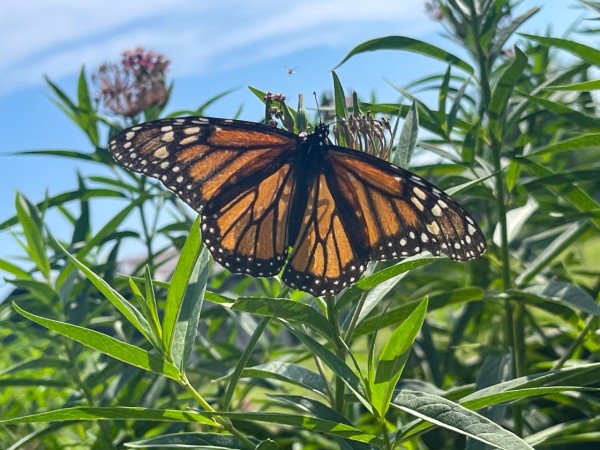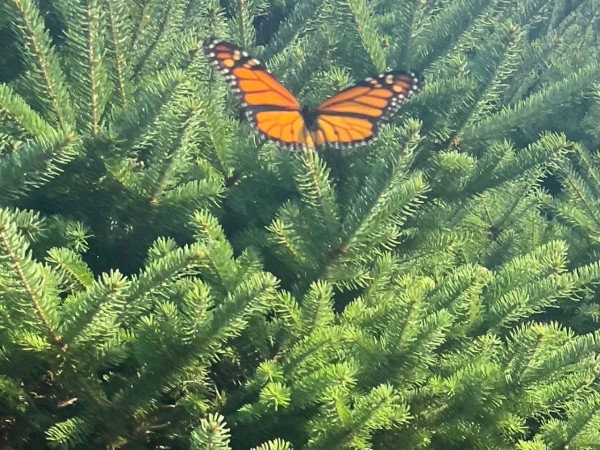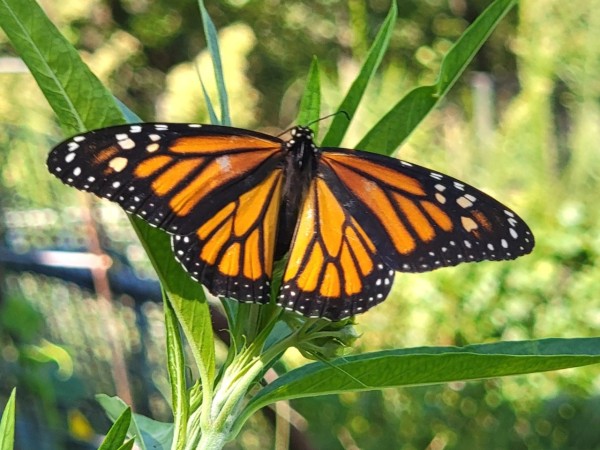
Monarch Blitz going strong


Not every week brings with it as much excitement from monarch enthusiasts as the International Monarch Monitoring Blitz, and that’s been especially true this year, as we’ve already surpassed last year’s total Journey North blitz reports with the weekend still to go.
Additionally, we have already had more people submit at least one Journey North report than we did during last year’s entire event. It’s heartening to see more people participating in Journey North, and I hope we can continue this momentum into the end of the summer and through the fall migration.
Hopefully, it’s a sign that people are seeing more monarchs this summer, as well. I know it’s been a positive summer for me here in Madison, Wisconsin. In early July, I was seeing monarchs nearly every day, and I wasn’t the only one seeing an uptick. On the week of July 13, Monarch Larva Monitoring Project volunteers in Wisconsin reported 338 eggs and 43 larvae while sampling over 1,300 plants. That’s 0.3 monarchs per plant. Last year, during the same week, that number was lower than 0.05 monarchs per plant.
So, what about everyone else?
Eggs aplenty
While not everyone can report great monarch tallies at all times, we have heard from others who are having strong summers.
In Walton, Kentucky, the monarchs have been busy.
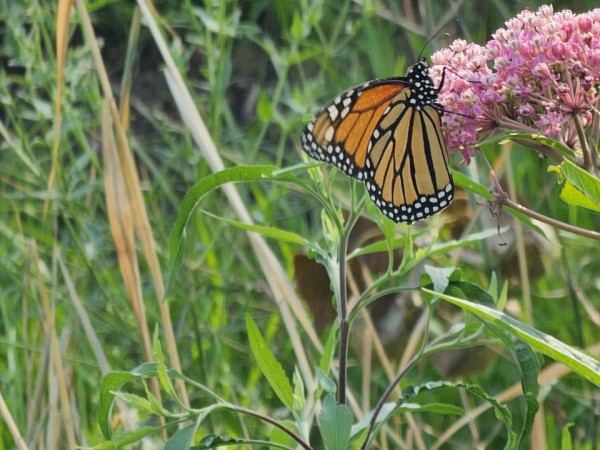
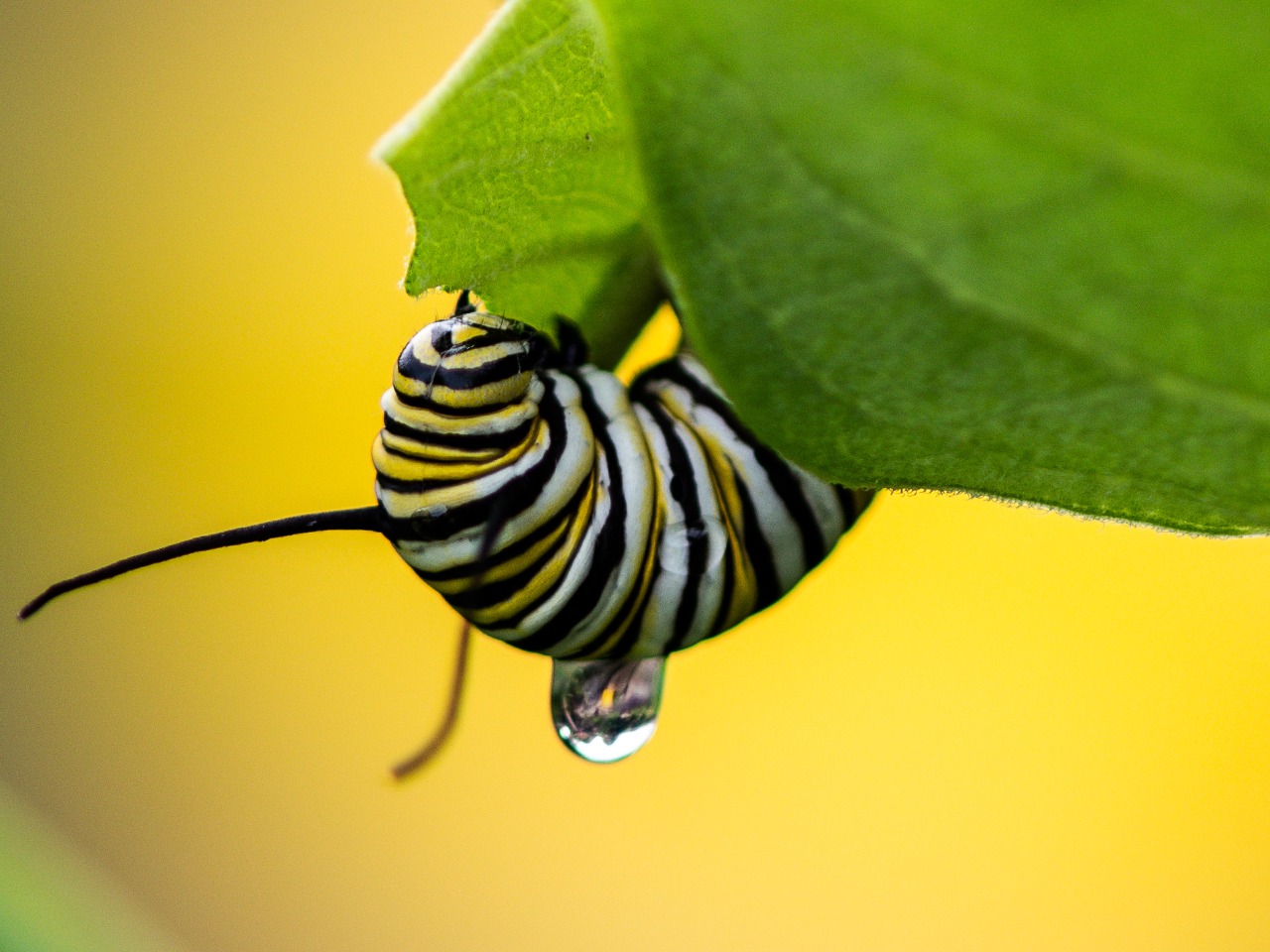
“I’ve seen several monarch butterflies on my milkweed over the last couple of weeks, and have counted over 100 eggs and larvae of various stages on my milkweed plants,” Melissa in Walton wrote on July 28.
“Several monarchs have laid more than 100 eggs on common milkweed in my backyard over the last two days,” Jen in North Mankato, Minnesota, wrote on July 30.
And some are just seeing their first monarchs of the year.
Season’s firsts
Despite the blitz starting in late July, some people are still reporting their first monarchs of the year, or even their first sightings ever near their homes.
“This is my FIRST EVER sighting of an adult monarch butterfly in the WILD here in the Temecula Wine country!! This area is semi-arid and is still in drought. I spotted an area where cattails were growing and stopped driving when I saw an adult monarch butterfly flying around the area. I took a quick photo and had hoped that I caught it flying around,” wrote Lauren in Temecula, California, on July 25. “I am shocked and at this!!! I am going to purchase a bulk order of native milkweed seeds to plant all over this area in the late fall! I am sooooo excited because I never thought I would see monarchs in the wild here because this area only has brown and dried plants during the summer and fall. And I’ve been looking out for them for 13 years now! Time to celebrate!!”
In Wilton, Wisconsin, Reina wrote on July 26, “We almost never see monarchs here so this was a very special sighting.”
Steven in Summerside, Prince Edward Island, wrote that the monarchs were late this year after starting in July: “Hopefully not the last.”
Southern sightings
It’s not just those in northern breeding grounds that are spotting monarchs. We’ve also received reports from areas in the southern U.S. and even Mexico throughout the Monarch Blitz, and monarchs are still breeding in these areas.
“I have seen adult monarchs since several weeks ago and they deposited eggs in my milkweeds,” wrote Jose in Aguascalientes, Mexico, on July 29.
Susan in Cleburne, Texas, reported six adults on July 28, writing, “ Two females were laying eggs for sure - the males were mostly nectaring.”
Don’t forget the milkweed
Even if you don’t see monarchs during the International Monarch Monitoring Blitz, you can still report milkweed plants, and let us know in your comments if you’re seeing milkweed but no monarch activity.
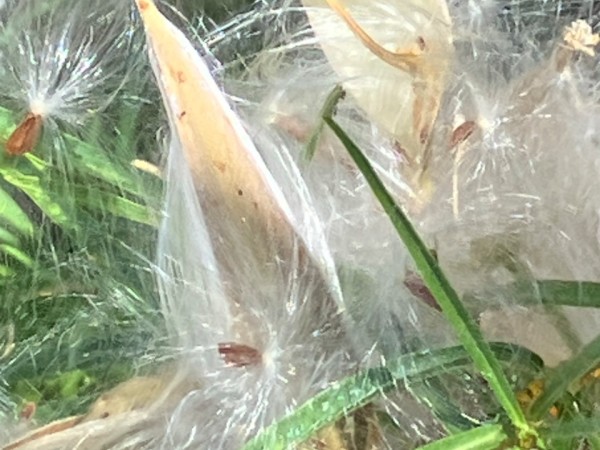
Some have reported milkweeds already going to seed. While it’s hard to think about when it’s been so hot in many places across the continent, fall is not far away.
“Some of my planted narrow leaf milkweed has seeds now,” wrote Theresa in Los Angeles, California, on July 30.
Getting involved
The Monarch Blitz is a great time to introduce new people to Journey North and community science in general. One group in Chicago got the next generation involved.
“Cub Scouts of Pack 773 hiked two miles around Mirian Byrnes Nature Area watching for monarch butterflies,” wrote Lisa in Chicago on July 27, along with a report of 12 adults. “Hundreds of milkweed and swamp milkweed were found, but no sign of caterpillars or eggs.”
Since the start of the Blitz, we’ve also had nearly 100 people register for new Journey North accounts and many more register to receive Journey North emails. If you’re new here, welcome!
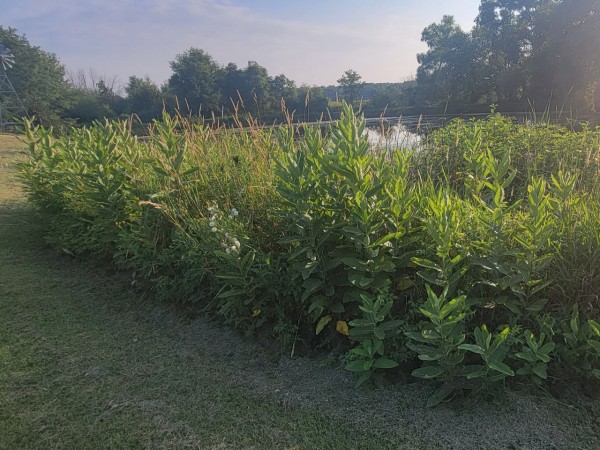
“Numerous common milkweed plants on our more than 42 acres. This is a small sample along our pond in an area we've always left natural. Zero evidence of caterpillars or eggs that we saw although this is the first we've ever looked,” wrote Julie in Oconomowoc, Wisconsin, on July 29. “What I thought was swamp milkweed is actually [Joe] Pye and we were thrilled to learn bees and butterflies like it, we have that in abundance too. Also spotted was Jewelweed, which we also learned butterflies like. Unintentionally, we have a pollinator garden. We learned a lot in just the 30 minutes we spent looking around for this program :-)”
Community science can help open the door to a whole world of exploration and interest in new species and ecosystems. I hope Journey North has been that entry point to monarch conservation for some of you. So, whether it’s your first report or your 101st, thank you for participating in Journey North.
We can’t wait to see the rest of your reports through the rest of the Monarch Blitz and beyond.