
Saturday, May 9, was World Migratory Bird Day, celebrating birds and the people who help conserve them, including all of you! That's because this year's theme is "Every Bird Counts -- Your Observations Matter," highlighting the role of community scientists in bird conservation.
The 2026 campaign shines a spotlight on people-driven efforts that are essential for bird conservation and science, celebrating how individuals, communities, and organizations around the world are helping to build the knowledge base to better conserve migratory birds across borders.
By focusing on the contribution of individuals, participatory science, and public bird monitoring efforts, the campaign will celebrate the millions of bird enthusiasts around the world who are contributing to the data and knowledge that inform policy decisions and are essential for bird conservation, through each recorded observation.
The Power of Community Science
From backyard observations to coordinated global surveys, millions of people around the world contribute vital information about migratory birds, their habitats, and the challenges they face each year. Through these recorded observations, people are engaging in community/citizen science to track migration patterns, population trends, and habitat changes across flyways.
The campaign will showcase how every observation contributes essential data and supports evidence-based conservation at local, national, and international scales.
Migratory birds travel across mountains, oceans, and international borders, facing threats like habitat loss, urban development, and pollution. Because these birds travel such vast distances, scientists cannot monitor them alone. “Much of what we know about bird movements and threats comes from people who share what they see in their communities," says Susan Bonfield, director of Environment for the Americas. “By participating in community science, people of all ages can contribute to our understanding of where and even when birds most need our help.”

Key Pillars of the 2026 Campaign
- Data at Scale: Volunteers reach places professional researchers cannot, tracking environmental changes, bird migrations, and threats to birds in real-time.
- Addressing Threats: community science data helps reveal exactly where birds are at risk from threats like building collisions, plastic pollution, or habitat loss.
- Collaboration Without Borders: Birds are global travelers; protecting them requires cooperation across countries, cultures, and communities.
- Technology as a Gateway: Apps like iNaturalist, and BirdLasser make it easy for anyone to turn a hobby or event into a scientific contribution.
Connecting with Nature to Support Conservation
When people take part in bird-counting activities that help gather this important data, they also strengthen their connection to nature, deepen their understanding of the pressures facing birds, and often become stewards of nature protection, strengthening society’s engagement with nature.
A Global Effort Across All Flyways
This year’s theme is particularly meaningful as it recognizes the many community science projects along all of the world’s major flyways. We will be focusing on the monitoring initiatives and platforms that already exist to record bird observations in ways that support both science and policy. World Migratory Bird Day 2026 also coincides with the 60th Anniversary of the International Waterbird Census, an opportunity to celebrate this global effort to monitor and protect migratory waterbirds as well as promote other community and citizen science initiatives across all flyways of the world. By encouraging people to gather observations from across migratory routes, we can build a clearer picture of the “story of the flyways,” emphasizing connectivity, international collaboration, and our collective responsibility.
How You Can Contribute
You can get involved in conservation-focused projects that contribute to long-term monitoring and research, such as community science programs, coordinated bird counts, or public events that build awareness of how sustained data collection supports migratory birds. Even small, regular observations can add value when they are part of a larger, ongoing effort to track populations over time. However you choose to participate, thoughtful and consistent engagement helps strengthen the science that informs conservation policy across the world’s flyways.
World Migratory Bird Day 2026 took place on May 9 and will take place again on Oct. 10, recognizing that migration occurs at different times in the northern and southern hemispheres and is part of a repeating annual cycle.
About World Migratory Bird Day
World Migratory Bird Day is a global campaign that serves as a beacon for conservation efforts aimed at conserving migratory birds and their journeys across borders. Celebrated twice a year—in May and October—WMBD reflects the cyclical nature of bird migration and the varying peak bird migration periods in the northern and southern hemispheres. This worldwide initiative triggers countless educational events, uniting people in a common goal to conserve and protect migratory birds and their habitats.
Each year, WMBD focuses on a central theme to inspire action and concentrate global efforts towards preserving the habitats and well-being of migratory birds.
The WMBD campaign is organized by the Convention on the Conservation of Migratory Species of Wild Animals (CMS), the African-Eurasian Migratory Waterbird Agreement (AEWA), Environment for the Americas (EFTA), and the East Asian–Australasian Flyway Partnership (EAAFP).
Join us in celebrating World Migratory Bird Day and take part in this global movement to create a more sustainable future for migratory birds and our shared natural world.
2026 Ambassador Species
As part of the World Migratory Bird Day tradition, “ambassador species” are selected each year to represent the major flyways spanning the globe. These species are featured in the campaign’s annual poster and serve as symbols to communicate the year’s conservation theme and elevate calls to action that support not only these focal birds, but migratory species worldwide.
By highlighting these ambassadors, the campaign promotes how local observations and community engagement contribute to a global understanding of migratory bird conservation. Spotlight stories on each featured species are included at the conclusion of this press release.
- American Oystercatcher
- Ruby-throated Hummingbird
- Barn Swallow
- Cinnamon Teal
- Merlin
How to Take Action
World Migratory Bird Day 2026 invites everyone to participate through the following:
- Participate in global counts: Join a community science project for bird conservation like the International Waterbird Census (IWC), the Christmas Bird Count, or local breeding bird surveys.
- Report marked birds: If you see a banded bird, report it to help scientists track individual journeys.
- Adopt a monitoring site: Commit to regularly watching a specific local patch.
- Practice ethical irding: Minimize disturbance to nests and feeding areas. "Leave no trace" to ensure birds remain safe while being observed.
From backyard counts to large-scale surveys, individual observations provide the data scientists need to identify conservation priorities and inform global policy.
Spotlight Species Stories
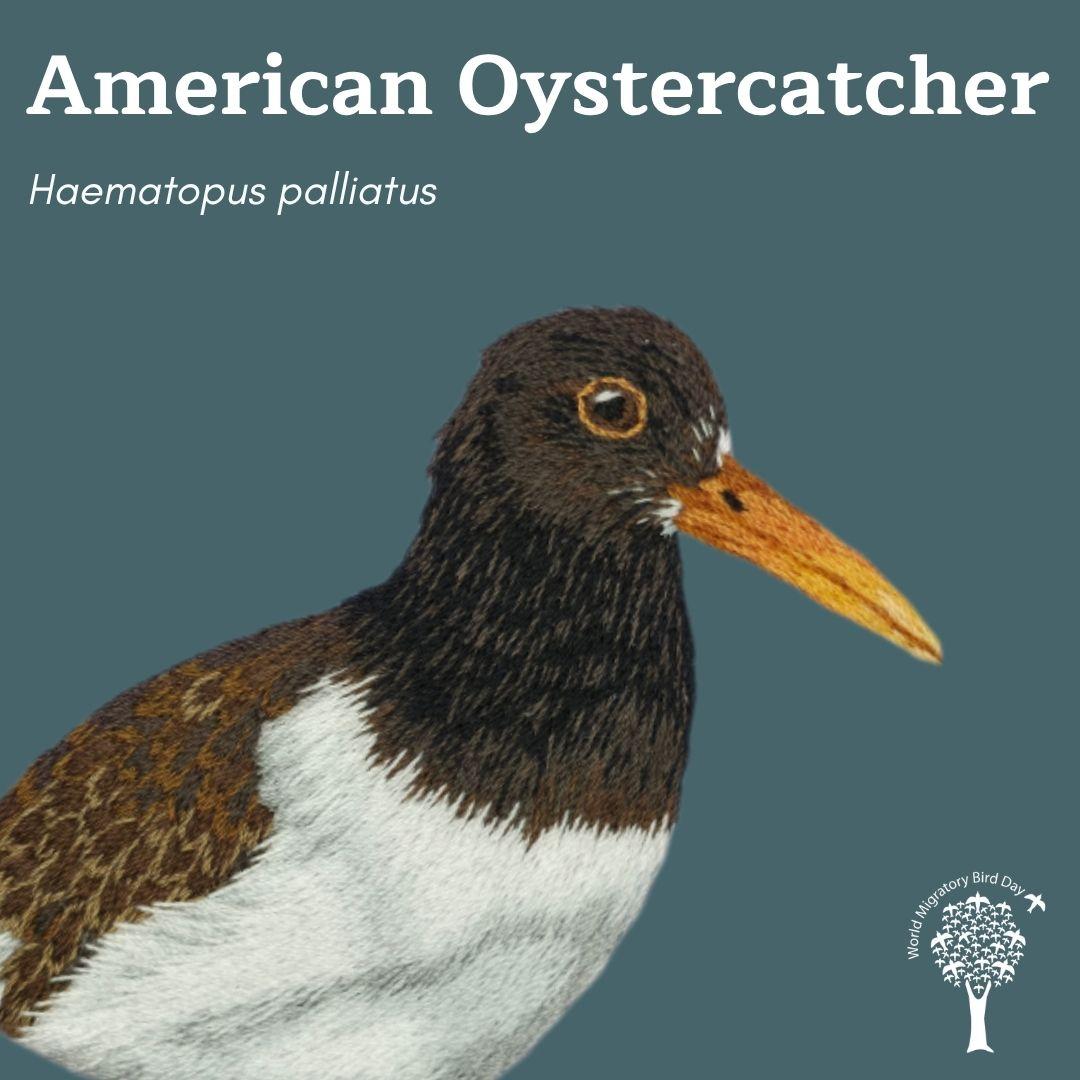
The American Oystercatcher: The Piru-piru Paulista Project
The American Oystercatcher (Haematopus palliatus) serves as a primary example of the 2026 theme in action. In São Paulo, Brazil, this threatened shorebird nests directly on sandy beaches, making it highly vulnerable to human activity. Through the Piru-piru Paulista Project, local residents and visitors act as "eyes on the ground," providing data that influences coastal
management.
Conservation by the Numbers:
- Local population: Researchers estimate that in the municipality of Ilha Comprida alone, there are around 70 to 80 American Oystercatchers distributed along approximately 74 km of coastline.
- Scientific tagging: To date, the project has banded 17 birds (both adults and juveniles) with alphanumeric flag bands.
- Monitoring impact: By recording data on egg laying, hatching, and nest loss—supported by camera traps to identify threats like vehicles and predators—the project identifies what is limiting population growth. In one instance, individual "C0" (a juvenile banded in November 2024) was missing for over a year until an observer recorded it in December 2025. Community reporting allowed the project to document a tragic direct impact case when juvenile "B1" was run over; the loss was only confirmed because a member of the public recognized the band and reported it.
Expert Perspectives
“In São Paulo, the species is considered threatened, reflecting the intense pressure on coastal environments. On increasingly crowded beaches, it only takes a distracted step, a loose dog, a vehicle crossing the sand, or simply a lack of awareness for an entire breeding attempt to be lost—sometimes in just seconds, without anyone even noticing what was there,” says Karina Avila, World Migratory Bird Day Coordinator in Brazil. “The theme of World Migratory Bird Day 2026 ‘Every bird counts, your observations matter’ speaks directly to what we do. The piru-piru is one of the campaign’s focal species, reinforcing something we witness every day in the field: each individual truly matters. When someone records a banded bird and shares that observation, it becomes scientific data. A single record can reveal movements, survival, site fidelity, or even connect different municipalities. Every monitored nest, every resighted bird, and every person who chooses to observe and share information contributes to a better understanding of the population along the São Paulo coast.”
Ruby-throated Hummingbird: Hummingbird Ambassador
The Ruby-throated Hummingbird (Archilochus colubris) is a migrant known for its iridescent plumage and extraordinary flight ability. Found across eastern North America, Central America, and the Gulf of Mexico region, it is one of the most widely recognized hummingbirds in the Western Hemisphere.
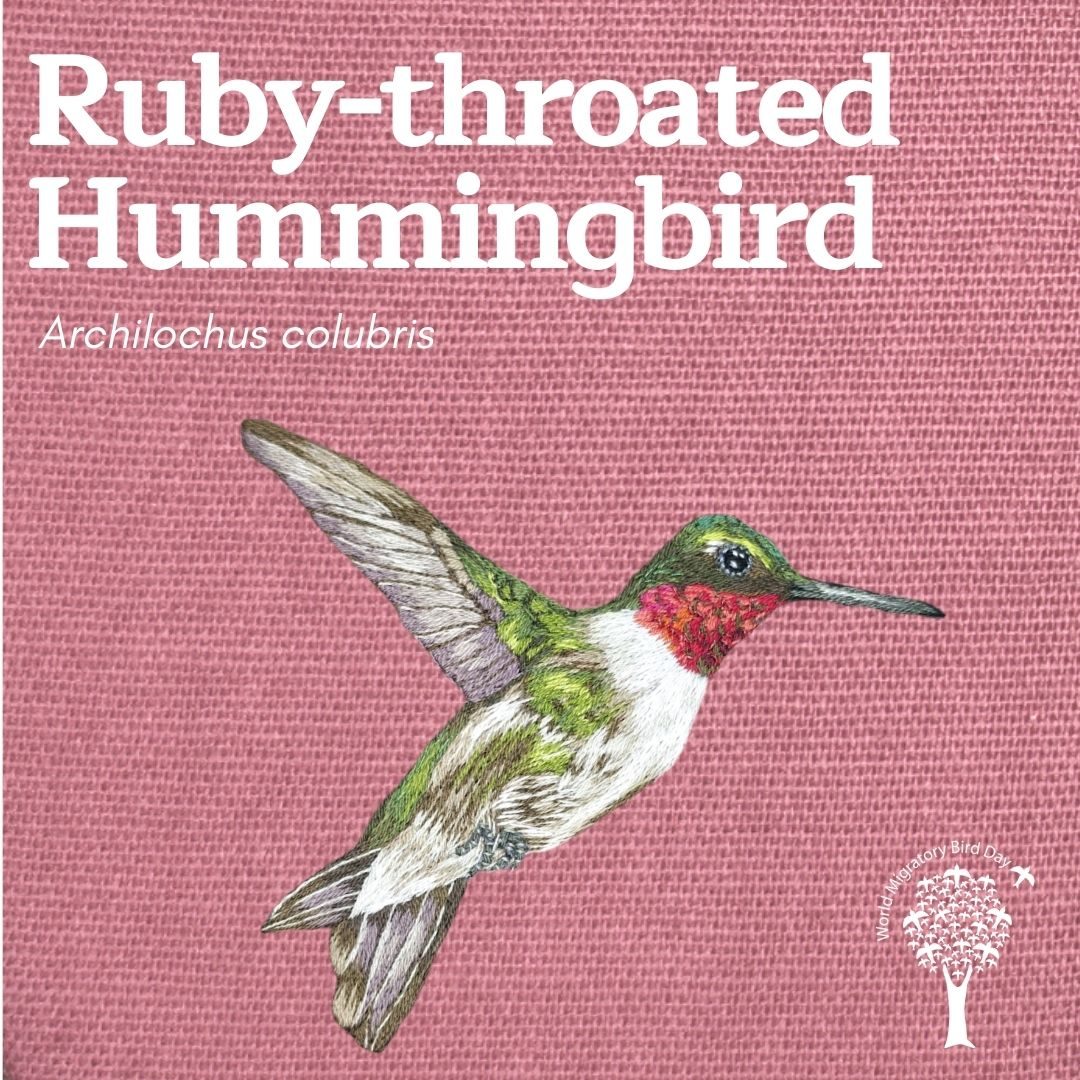
Each year, this species migrates between breeding grounds in the eastern United States and Canada and wintering areas in Central America. Despite weighing less than a nickel, many individuals complete a remarkable non-stop flight of up to 500 miles across the Gulf of Mexico.
The Ruby-throated Hummingbird population is estimated at 36 million and is currently listed as “least concern” on the International Union for Conservation of Nature Red List. However, conservation concerns remain across the hummingbird family. More than 30 species are classified as "near threatened," "vulnerable," or "critically endangered." Hummingbirds play an
important role in ecosystems as pollinators, helping many flowering plants reproduce.
Yet many species are facing increasing pressure from habitat loss and other environmental challenges. Today, more than 250 hummingbird species—about 68% of all hummingbird species—are experiencing population declines. Deforestation, urban expansion, collisions with windows, and intensive agriculture that results in greater use of pesticides are impacting hummingbirds and their habitats. As a result, hummingbirds face many growing threats, including:
- Habitat loss: fragmentation of breeding forests and wintering tropical scrub.
- Temperature change: shifting bloom times for nectar-rich flowers.
- Pesticide exposure: reduced insect and pollinator populations.
- Window collisions: despite their legendary agility, hummingbirds are among the bird
groups most impacted by collisions with glass.
Community Science: Your Role in Conservation
Reporting bird-window collisions helps identify which homes and buildings pose the greatest risks. With better data, communities can prioritize solutions that make buildings safer for birds.
Ways you can help:
- Report Collisions: Log bird-window strikes with Global Bird Rescue to help pinpoint where changes are needed.
- Log a Hummingbird Sighting: Use Journey North to report a hummingbird sighting and assist in migration mapping.
- Make windows Bird-Safe: Use special window films to make glass visible to birds. They are easy to apply at home or work.
- Plant Native: Create habitats by planting native plants to your area
- Clean Feeders: If using sugar-water feeders (4 parts water, 1-part white sugar), clean them every few days to prevent mold.
Call to Action
Our theme for World Migratory Bird Day this year is community science and participation in projects or efforts that inform conservation strategies. Every observation reported, every native plant added to a garden, and every bird-safe window installed helps protect migrating birds.
By sharing your sightings and collision reports with projects like Global Bird Rescue and Journey North, you contribute valuable information that scientists use to track migration patterns and guide conservation. All actions, large or small, help make a difference.
Barn Swallow: Passerine Ambassador
With its deep blue back, orange throat, and forked tail, the Barn Swallow (Hirundo rustica) is one of the most recognized migratory birds in the world. Known for its agile flight, it feeds on flying insects and is a common sight across open landscapes during the breeding season.
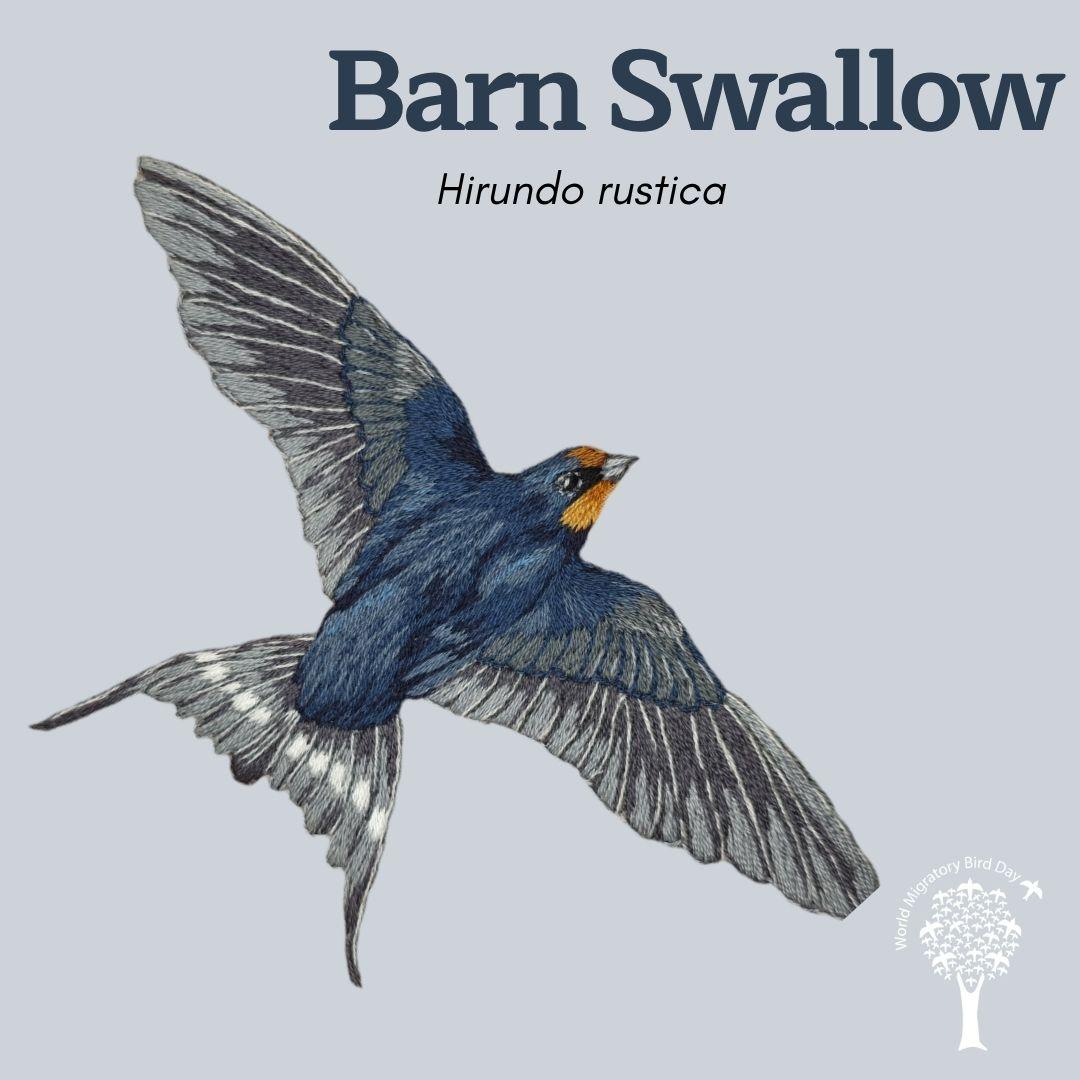
Barn Swallows breed across North America, Europe, and Asia, migrating long distances to Central and South America, Africa, and southern Asia. These journeys depend on abundant insect populations to sustain them across continents. Barn swallow populations decreased across North America from 1966-2015 according to the North American Breeding Bird Survey, with a loss of 49% of the population overall. Parts of Europe, including the UK, have also experienced declines of 30-60% in recent decades.
The primary threats include:
- Insect decline: The widespread use of pesticides has decimated the flying insect populations that swallows depend on for food.
- Climate: Shifting weather patterns can disrupt the timing of insect emergence, leaving migrating Swallows without enough food to survive their journey. Recent studies indicate that nearly 3 billion birds have been lost in North America since 1970, with aerial insectivores like swallows among the hardest hit.
Community Science: Tracking the Mud Nest
Because Barn Swallows often nest on human-made structures like bridges, porches, and stables, they are uniquely easy for the public to monitor. Whether they are nesting in a solitary pair or a large colony, reporting their presence provides researchers with a “boots on the ground” view of how the species is faring. These observations matter. By tracking arrival dates, nesting activity, and fledging success, community members help scientists understand how environmental changes are affecting swallow populations.
Recording seasonal cues—such as “first arrivals”—through apps like Journey North also contributes to a larger scientific picture. These data allow researchers to see where birds are successfully keeping pace with shifting insect hatches and plant blooms, and where they may be falling behind. Studies show that many bird species are now nesting up to 10 days earlier in parts of the United States and Britain, with similar trends in arrival timing observed across Europe. In 2025, community science data also helped identify critical stopover habitats where swallows gather by the thousands before crossing the Gulf of Mexico, highlighting the importance of protecting these key sites.
Call to Action: Help Swallows Thrive
You can play a direct role in protecting these birds by contributing to global monitoring efforts. Researchers depend on your observations to fill the gaps in our knowledge across the swallow’s massive range.
- Monitor a nest: Use the NestWatch platform to record egg counts and fledging success—your backyard nest can provide valuable data for scientists.
- Support regional projects: In Canada, contribute through the NatureCounts portal to aid swallow-specific conservation efforts. In Europe and Africa, participate in the EURING Swallow Project, which tracks intercontinental migration through bird banding.
- Report sightings: Share observations like first arrivals and other seasonal signs through Journey North. Your reports help track migratory species and document changing seasonal patterns across regions.
- Protect food sources: Avoid using pesticides to preserve the insects that birds rely on for survival and healthy populations.
Cinnamon Teal: Waterfowl Ambassador
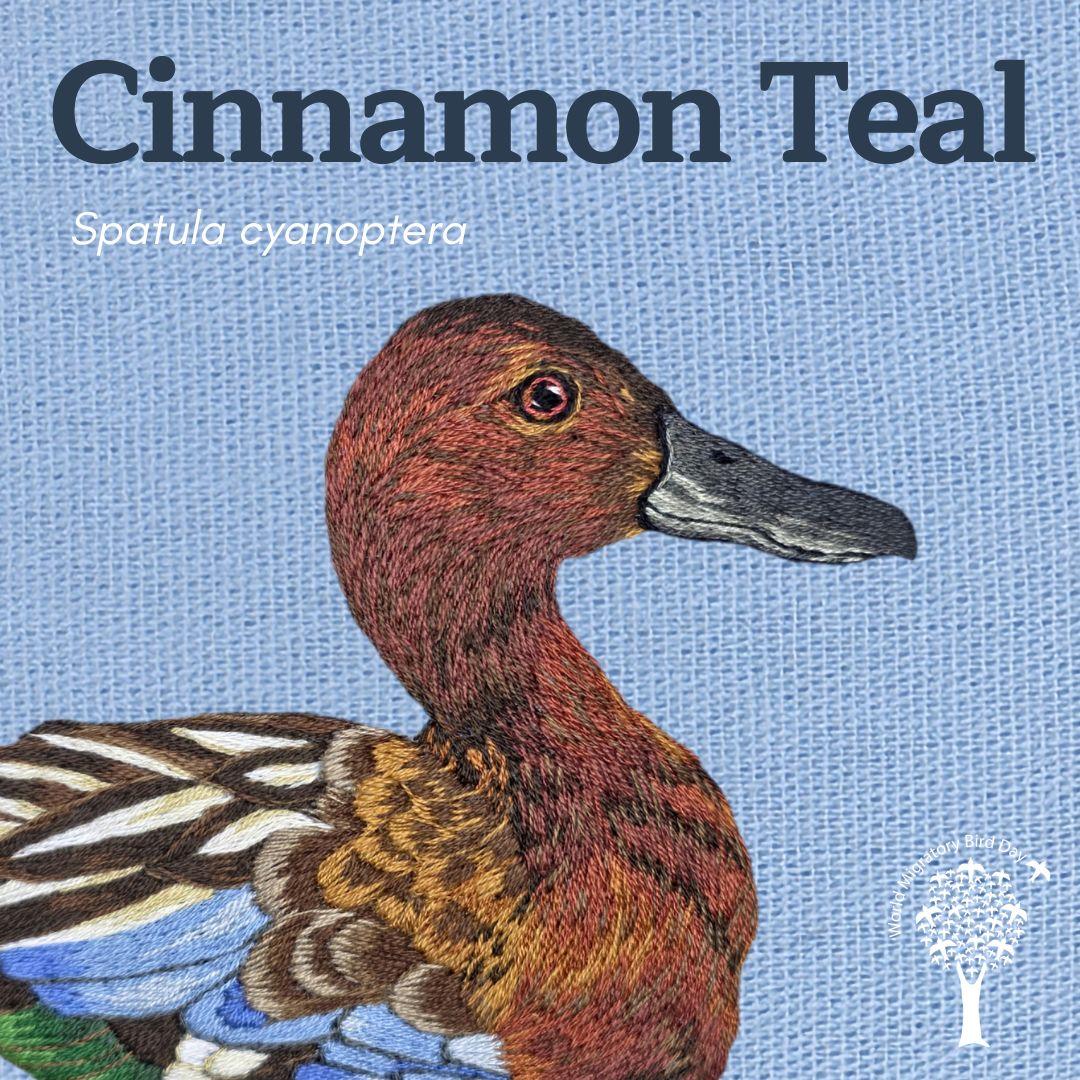
The Cinnamon Teal (Spatula cyanoptera) has been selected as one of the global ambassador species for the World Migratory Bird Day 2026, representing waterfowl, wetlands, and grasslands. This small duck depends on freshwater wetlands across the western United States and migrates to Mexico, Central America, and South America.
A Changing Outlook for Waterfowl
The 2025 State of the Birds report signals a shift in population trends. Ducks and geese were once considered one of North America’s major conservation success stories. However, new data show that habitat loss and persistent drought have pushed some bird populations below long-term averages. Overall, roughly one-third of all U.S. bird species are now classified as being of high or moderate conservation concern.
Partners in Flight
The Cinnamon Teal appears on the Partners in Flight Yellow Watch List, a designation for species that show troubling long-term population declines. Birds in this category and the habitats they rely on need proactive conservation and improved monitoring to prevent further declines.
Community Science in Action: The Role of Hunters
Hunters play an important role in community science for waterfowl conservation. Conservation organizations rely in part on data from the Harvest Information Program to track species health and inform sustainable hunting regulations. Information reported to the U.S. Fish and Wildlife Service helps scientists understand where and how many ducks are harvested each year.
Participation begins when hunters obtain HIP certification while purchasing a hunting license. This process feeds into the Migratory Bird Harvest Surveys that wildlife managers depend on to monitor populations and guide management decisions.
How You Can Help Wetlands
Protecting waterfowl habitat requires action from all of us. You can make a difference in several ways:
- Purchase a Federal Duck Stamp to provide direct funding for wetland conservation.
- Conserve water at home by turning off the tap and reducing unnecessary use to help
maintain shallow wetlands. - Reduce single-use plastics to prevent harmful debris from entering marsh habitats.
- Share this message to raise awareness about the importance of wetlands.
Every action, large or small, supports healthier habitats for the Cinnamon Teal and countless other migratory birds.
Merlin: Raptor Ambassador
Often called the “pigeon hawk,” the Merlin (Falco columbarius) is a compact, fast-moving falcon known for its low, direct flight and ability to capture small birds in midair. Unlike the high-speed dives of the Peregrine Falcon, Merlins rely on surprise and agility, making them efficient hunters across a range of landscapes.
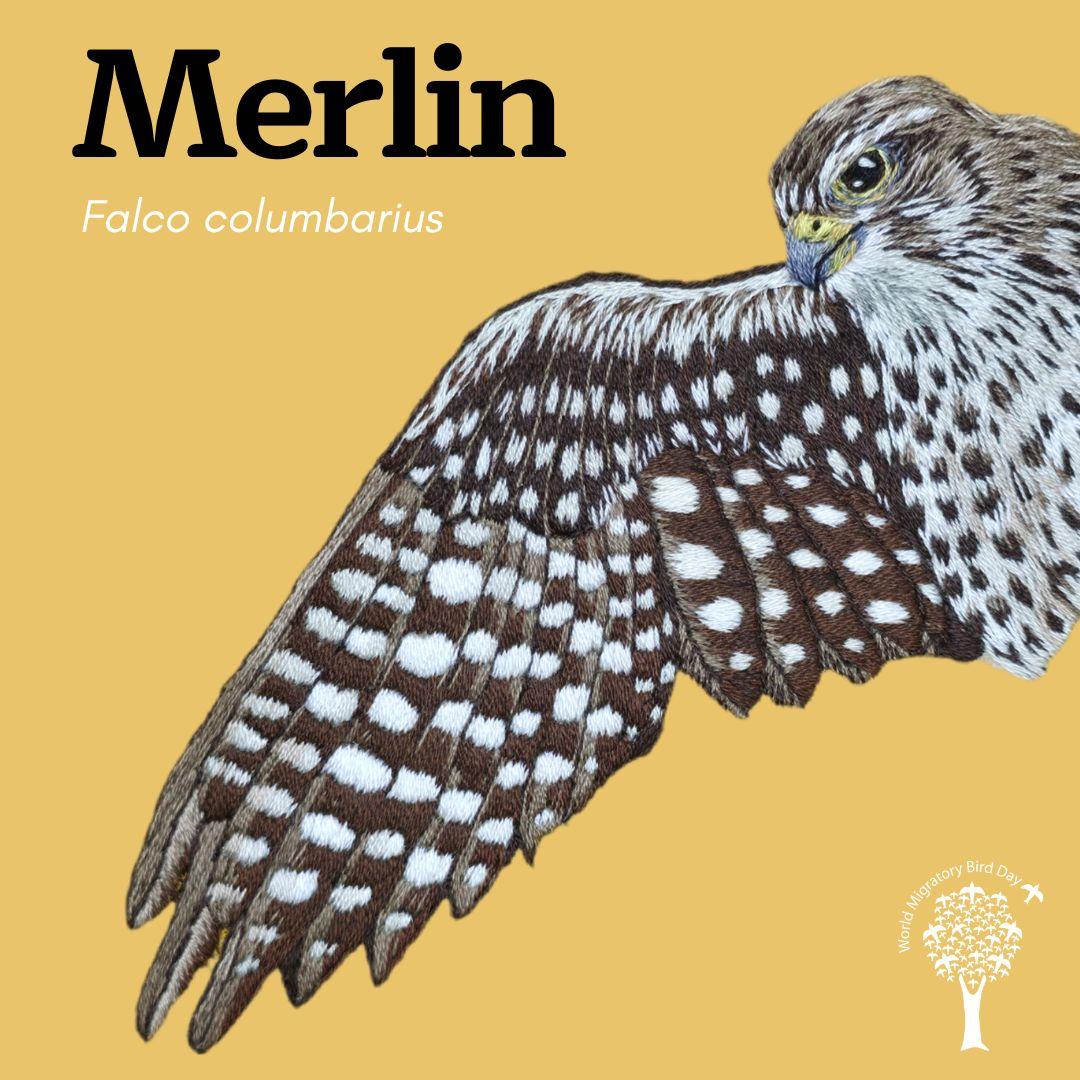
Merlins breed in northern forests across North America and Eurasia and migrate south each year, traveling from subarctic regions to the United States, Mexico, and northern South America. This widespread movement highlights the importance of connected habitats across flyways.
Threats to the Merlin
Merlin populations declined dramatically in the mid-20th century due to the widespread use of pesticides such as DDT, which caused eggshell thinning and reproductive failure. Following the ban of DDT, Merlin numbers have rebounded in many areas. Despite this recovery, Merlins still face ongoing threats. Habitat loss and fragmentation reduce suitable breeding and hunting areas, and collisions with vehicles and windows are an increasing concern, particularly as Merlins adapt to living near towns and cities.
Community Science that Benefits the Merlin
There are many global, national, and local projects that gather information about raptors. In North America, the Hawk Migration Association documents birds of prey present during the winter months. The survey allows participants to record observations regardless of their experience level. The data are shared with researchers, land managers, planning agencies, and regional birding groups to support conservation and management efforts. Just as importantly, the program is designed to be engaging and rewarding, offering participants a community science experience while contributing to raptor conservation.
Hawk Mountain provides information about raptor migration watchsites from Mexico to South America. Visitors are encouraged to visit migration sites and support the research.
Call to Action
Hawk migration surveys are hosted by organizations around the world. By visiting these sites, you can build your raptor identification skills while contributing valuable data to ongoing counts and even starting your own survey route. You can also support these efforts by getting involved, sharing your enthusiasm, and helping inspire others. Look for a survey site near you and join the effort.