

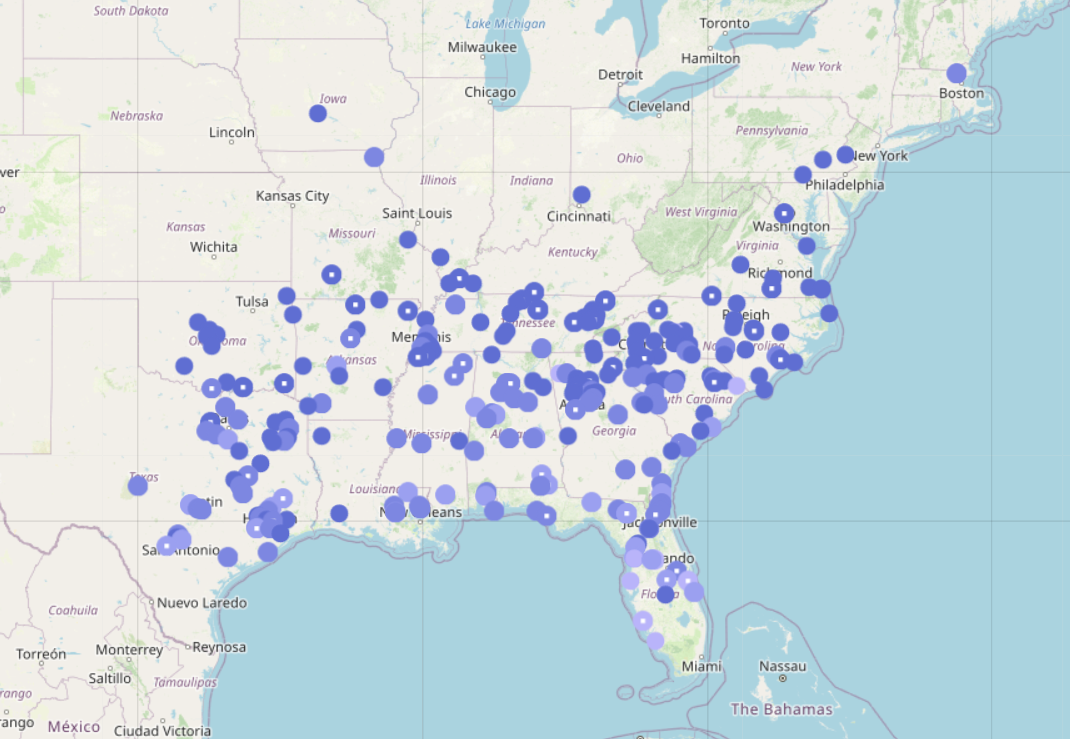
The spring bird migration keeps ticking along, with Journey North’s Ruby-throated Hummingbird map in particular filling up with sightings up into Missouri, southern Kentucky, and Virginia.
On April 4, a sighting was reported with a photo in Paducah, Kentucky, not far from the southern tip of Illinois. The same day, we received another report from across the border of Illinois, from Rhonda in Pomona, Illinois.
The Carolinas have filled up with numerous sightings, stretching across the Virginia border in the first couple days of April.
“I saw/heard it as it was leaving the back deck feeder,” Carol in Hickory, North Carolina, on the eastern side of the state, wrote on April 3. “It’s a couple days early.”
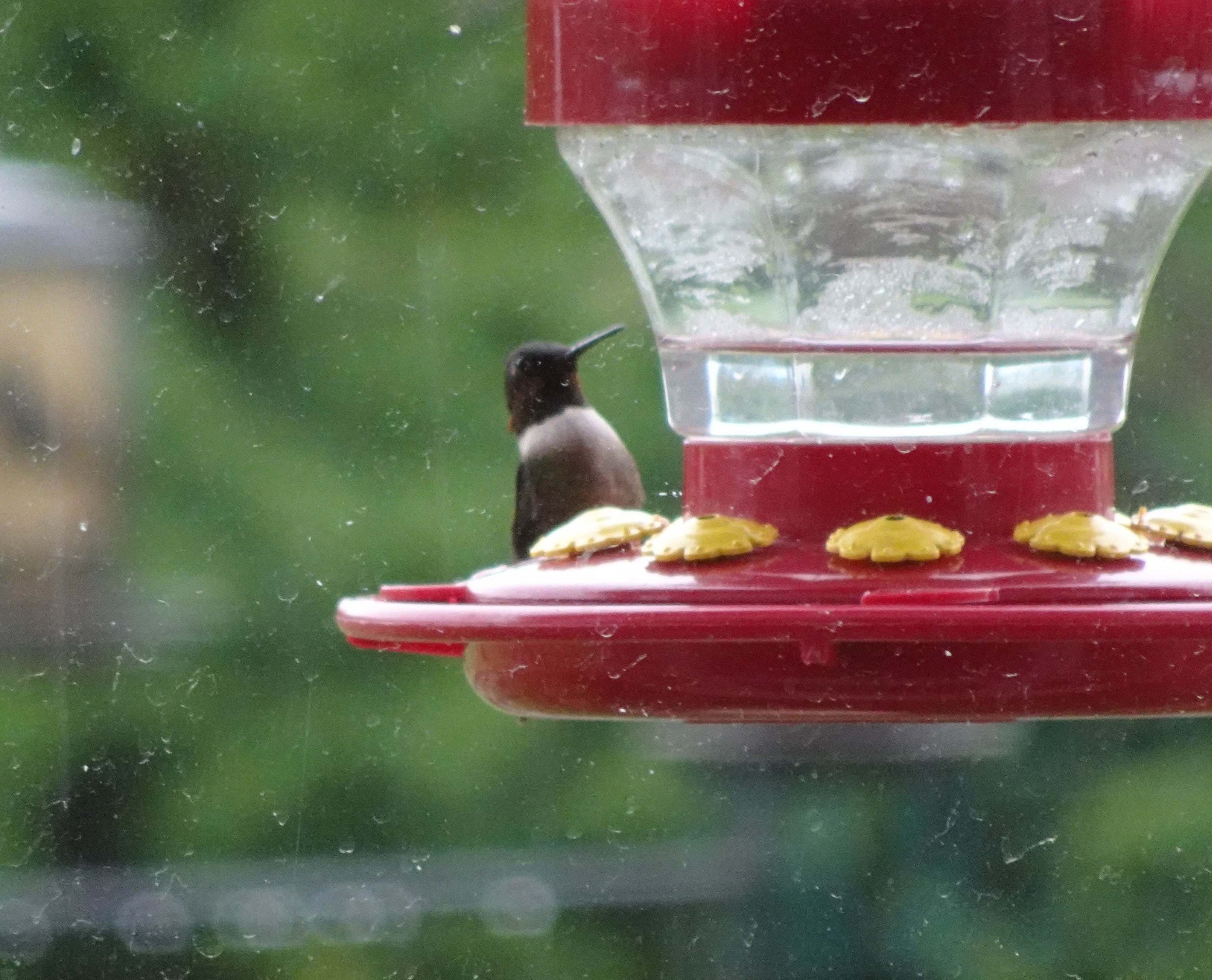
In Springfield, Missouri, we also got a report of an early hummingbird on April 3. We did receive an outlying report from Teresa, in Kahoka, Missouri, on March 22. But aside from that report, April 3 is the same day we received our first report of the year in 2025.
Each year, some people will see their first hummingbirds early, while others will see them late. It remains to be seen, when the migration is done, whether this was generally an early migration.
We still don’t have any reports from New Jersey or Maryland, but there are a few in Pennsylvania that have reported sightings early.
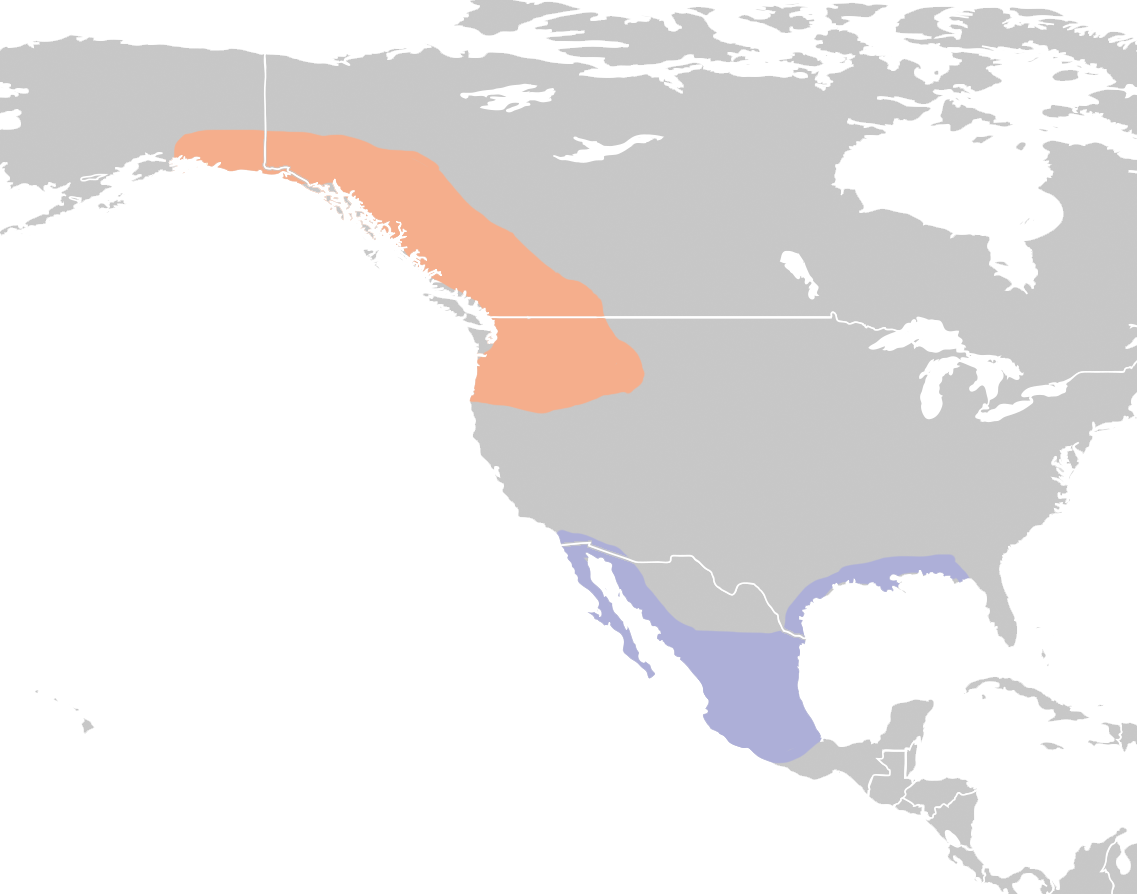
First Rufous Hummingbird sighting in Alaska
We received our first sighting from Alaska, from Bob in Craig.
“It’s snowy out with nothing in bloom. Glad he found our feeder,” Bob wrote on April 2. In the springs I’ve worked for Journey North now, I've looked forward to Bob’s reports letting us know that these long-distance migrants have made it to Alaska. While I try to remember as many reports as I can, these reports from Alaska stick, since we don’t get too many of them.
Last year, Bob’s first report came on April 4. Before that, Bob’s reports came on March 16, 2024, April 1, 2022, and April 12, 2021.
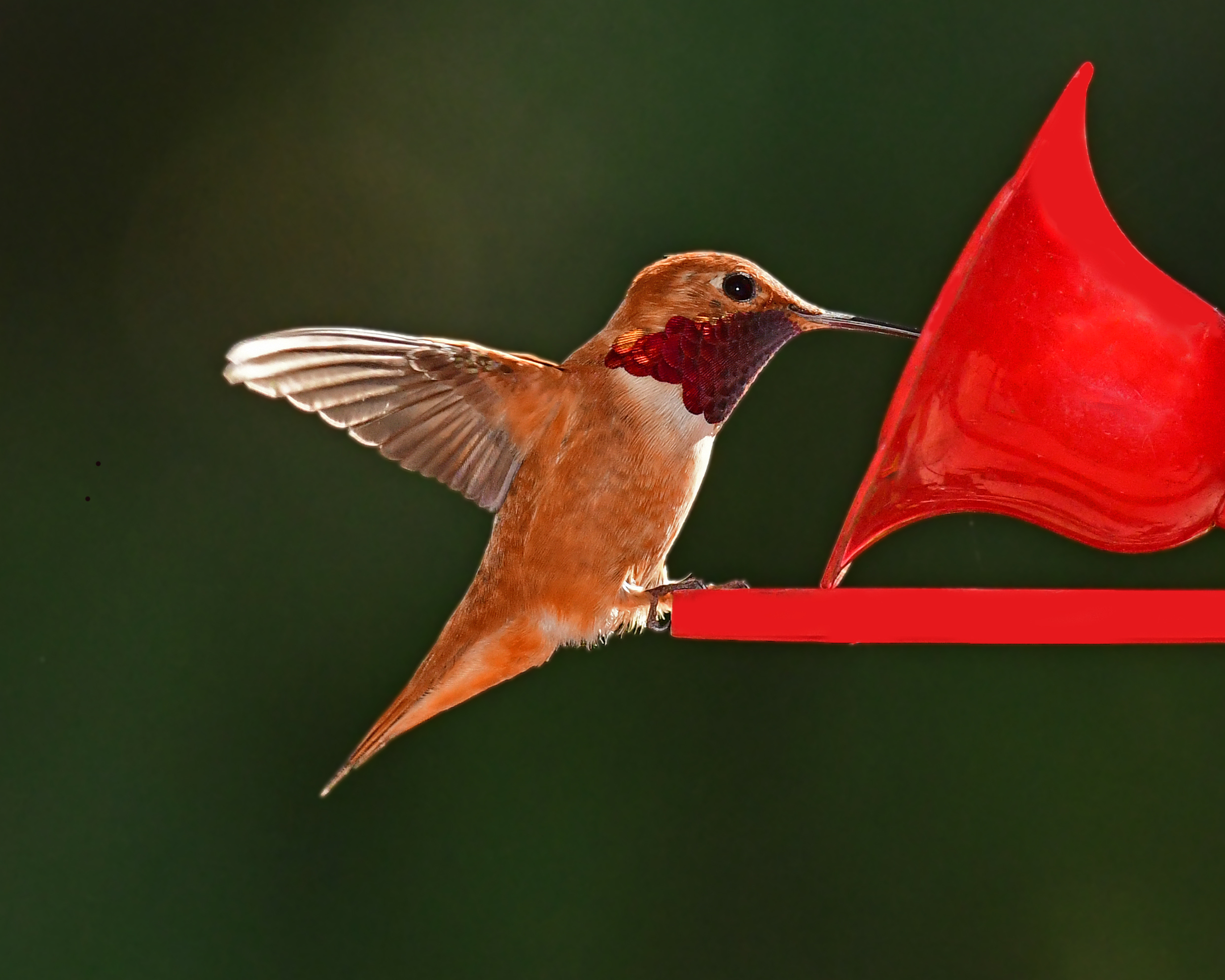
In Puyallup, Washington, Jack reported a Rufous Hummingbird on April 7, writing, "The second Male Rufous within a few days at my place. Ignored the flowers, spent a lot of time at my two feeders. One day only and gone north."
Maybe that hummingbird is Alaska-bound, too.
Robin sightings increase in latitude
Birds like American Robins and Red-winged Blackbirds have been present, even in northern areas, for quite a while now. Still, there are some interesting sightings to note, and some dots moving further north on the map.
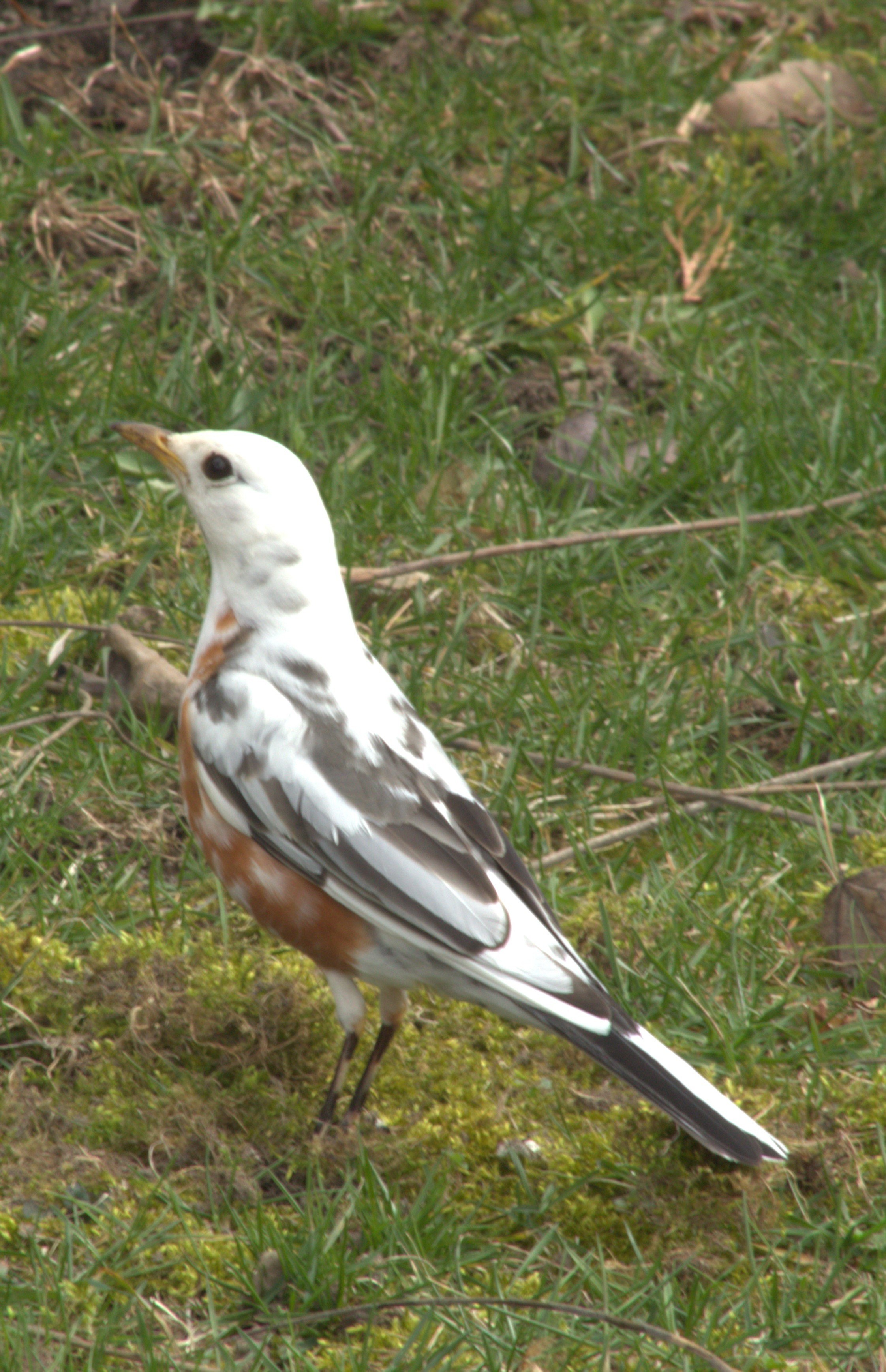
For example, in Howell, Michigan, Jessica reported a leucistic robin on March 29.
As far as northern movement, our northernmost report comes from Jackie in Smithers, British Columbia, on March 28 (latitude 54.78). Our second most northern report was from Saskatoon, Saskatchewan, with Russell reporting one at a latitude of 52.09 on April 5.
In The Village, Oklahoma, Patty reported observing nesting activities and courtship on April 2.
Loons reach the Great Lakes region
On March 19, we received a report of a Common Loon from Martinsville, Indiana, as they moved north.
Since then, we’ve received reports from Michigan on March 25, March 28, and March 30. Most reports from Wisconsin came in on a similar timeframe. In Minnesota, our first report came from Willmar on March 30.
“Four loons on Foot Lake at Robins Island Park,” Luke wrote. “One called. Yodel call.”
Barn swallow sightings coming in
Sightings of barn swallows have been sporadic, but we’ve received sightings from coast to coast.
“I saw two barn swallows this evening in the stable,” Barbara in Ferndale, Washington, wrote. “They usually arrive mid-April! They were swooping fast outside in the dusk, but inside with the lights, they were chirping at my presence, and I saw the orange breast, so I’m sure they were swallows.”
That was our northernmost report. In the Midwest, on April 5, we received a report on April 5 in Delano, Minnesota. One day later, we received a report in Sherrard, Illinois.
“Scouts were here on March 30,” wrote Barbara in Broad Run, Virginia. “We’ve had a few more come in, but not the full colony yet.”
Report your sightings
This spring, don’t forget about us when you see a hummingbird, monarch butterfly, Baltimore Oriole, or any of our other covered species.
You can report all these sightings (not just your first ones) by clicking here. Your sightings are what make our maps, news updates, and datasets possible.