

For the past few weeks, we've been treated to some of our favorite early spring bird arrivals. The robins and Red-winged Blackbirds have been here in southern Wisconsin for more than a week, and I've seen a few Sandhill Cranes, but these birds must have been in for a shock when the weather turned on Sunday.
As I went for a morning walk on Sunday morning, thunder and lightning signaled the impending storm. While other places got snow dumped on them, we were in line for a day of sleet and rain in Madison, and the robins were filling up on berries to prepare themselves.
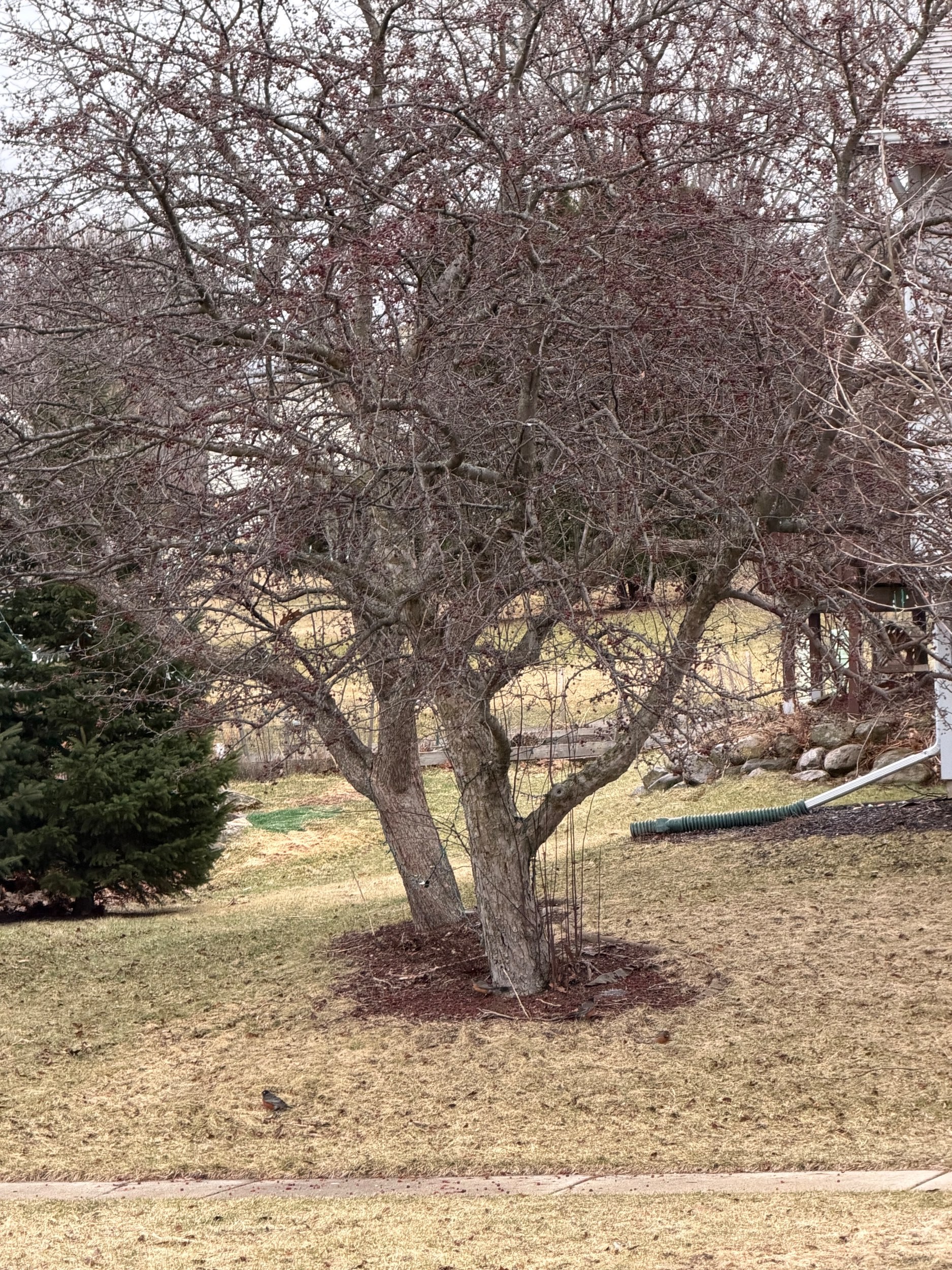
Hopefully, they filled up, because on Sunday night, the rain and sleet flipped to snow, although as of writing this update (Monday morning), we've only gotten about half a foot of snow. Further north in Wisconsin, some numbers pushed over two feet. In the Upper Peninsula of Michigan, southeast of L'Anse, one number even showed three feet on the National Weather Service's snowfall maps.
On March 10, Jane in Kingsford, Michigan, reported a robin sighting, writing that it was "sitting on the open grass near a baseball field." On March 15, Kingsford had gotten over 20 inches of snow.
In Peshtigo, Wisconsin, just south of the border with the Upper Peninsula, the Red-winged Blackbirds were swarming bird feeders in search of food after intense snowfall.
"Have a blizzard right now and there is a flock of red-winged blackbirds around the feeders," Debby in Brandon, South Dakota, wrote.
Here in Madison, we're projected for high temperatures around 60 over the weekend, so we'll see how long the snow lasts, while Debby's neck of the woods is expected to see a high surpassing 70. Birds that are in parts of the Upper Midwest states don't appear to be so lucky, so if you have feeders available or fruit-bearing trees for robins, an influx of activity may continue as long as the snow lasts.
Red-winged Blackbirds have a range that reaches far into Canada, so we can't quite say that they've spread across their entire range yet, but sightings have reached Canada, the northeastern United States, and the Upper Midwest.
On May 9, Jim reported a first sighting in Victoria Harbour, Ontario.
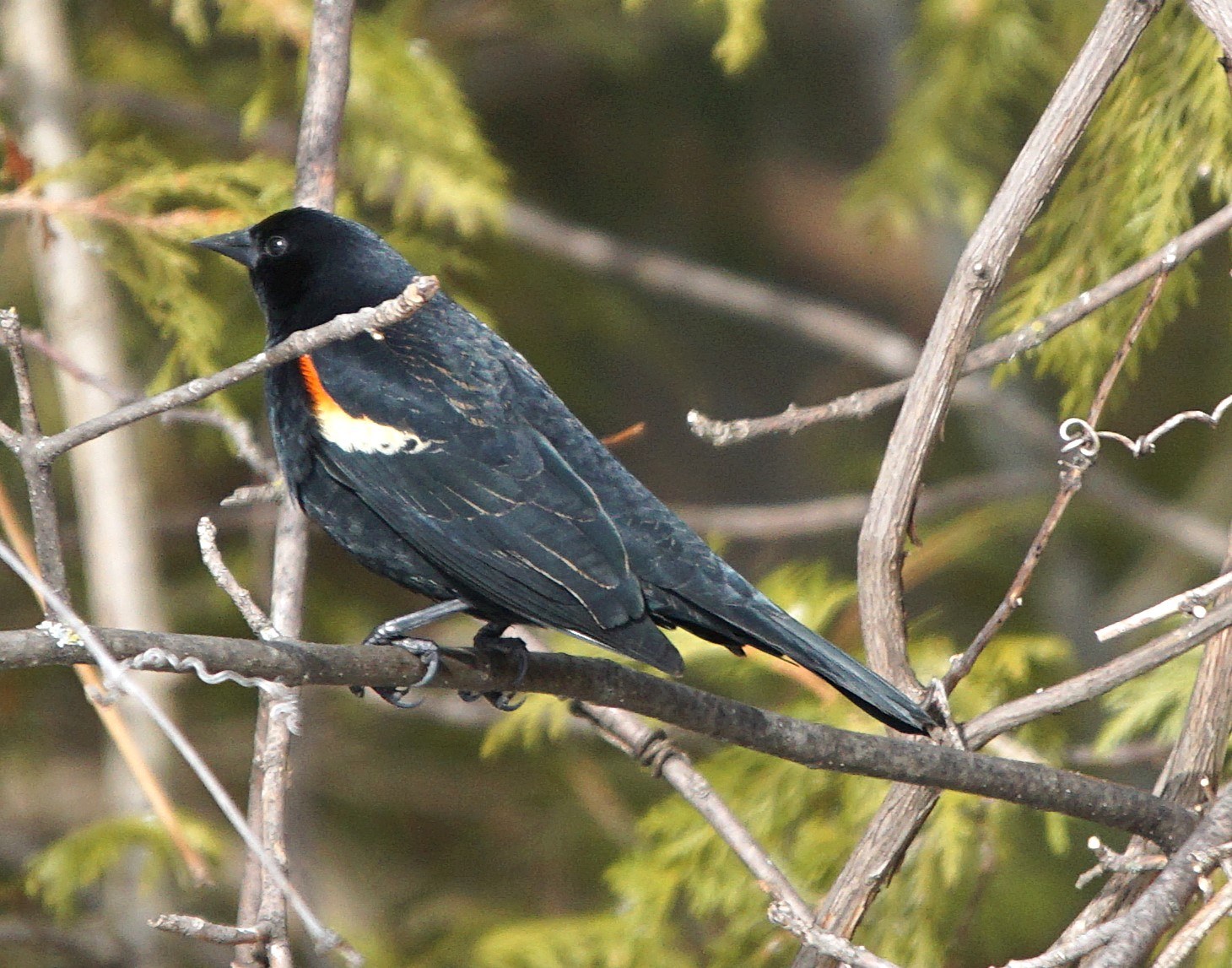
"They're back," wrote Karen in Benson, Vermont, on March 11. "10+ showed up at my feeders this morning along with their buddies, the grackles."
More hummingbird sightings coming in
The Ruby-throated Hummingbird map paints a picture of some northern movement as of March 16. The northernmost report so far, a male, came from Isabel in Conyers, Georgia, on March 15.
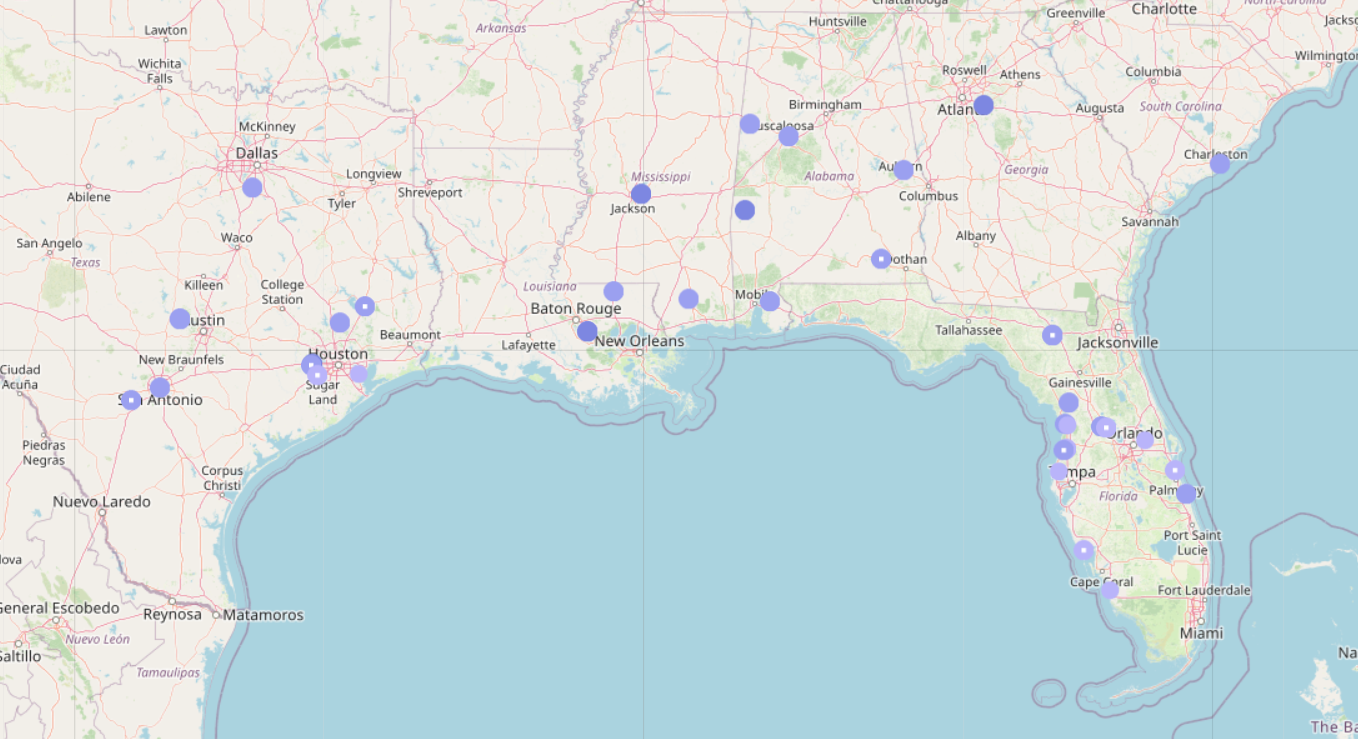
Some Ruby-throated Hummingbirds may overwinter in Florida, giving bird-watchers in the Sunshine State an early advantage for seeing hummingbirds.
"I thought I had one adult male overwintering here, but I believe there is a male juvenile as well," wrote Valerie in Spring Hill, Florida, on March 1. "Captured both together at feeder."
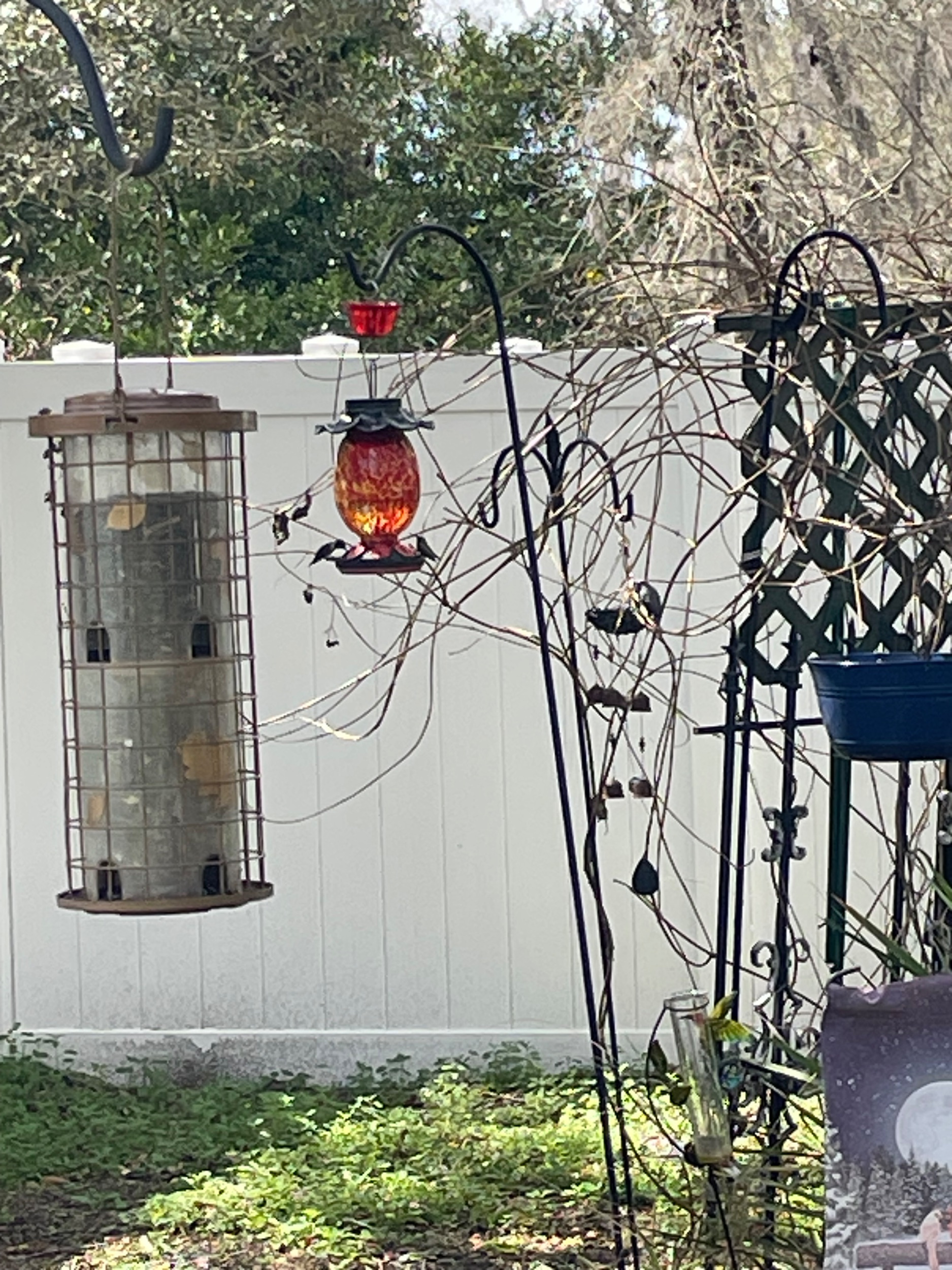
Other Ruby-throated Hummingbirds overwinter in Mexico and Central America before flying all the way across the Gulf of Mexico to reach feeders like those in Kentwood, Louisiana, where Janette wrote on March 1: "Put up two feeders one week ago but another freeze came through. Today, I saw the first male hummer at our feeder from the kitchen window!! Hooray!!"
Rufous sightings move north
Rufous Hummingbirds have reached the Pacific Northwest, with one reported to us on March 4 in Silverdale, Washington.
These little birds complete an impressive migration that reaches as far north as Alaska, so this is a migration that will continue for a little while!
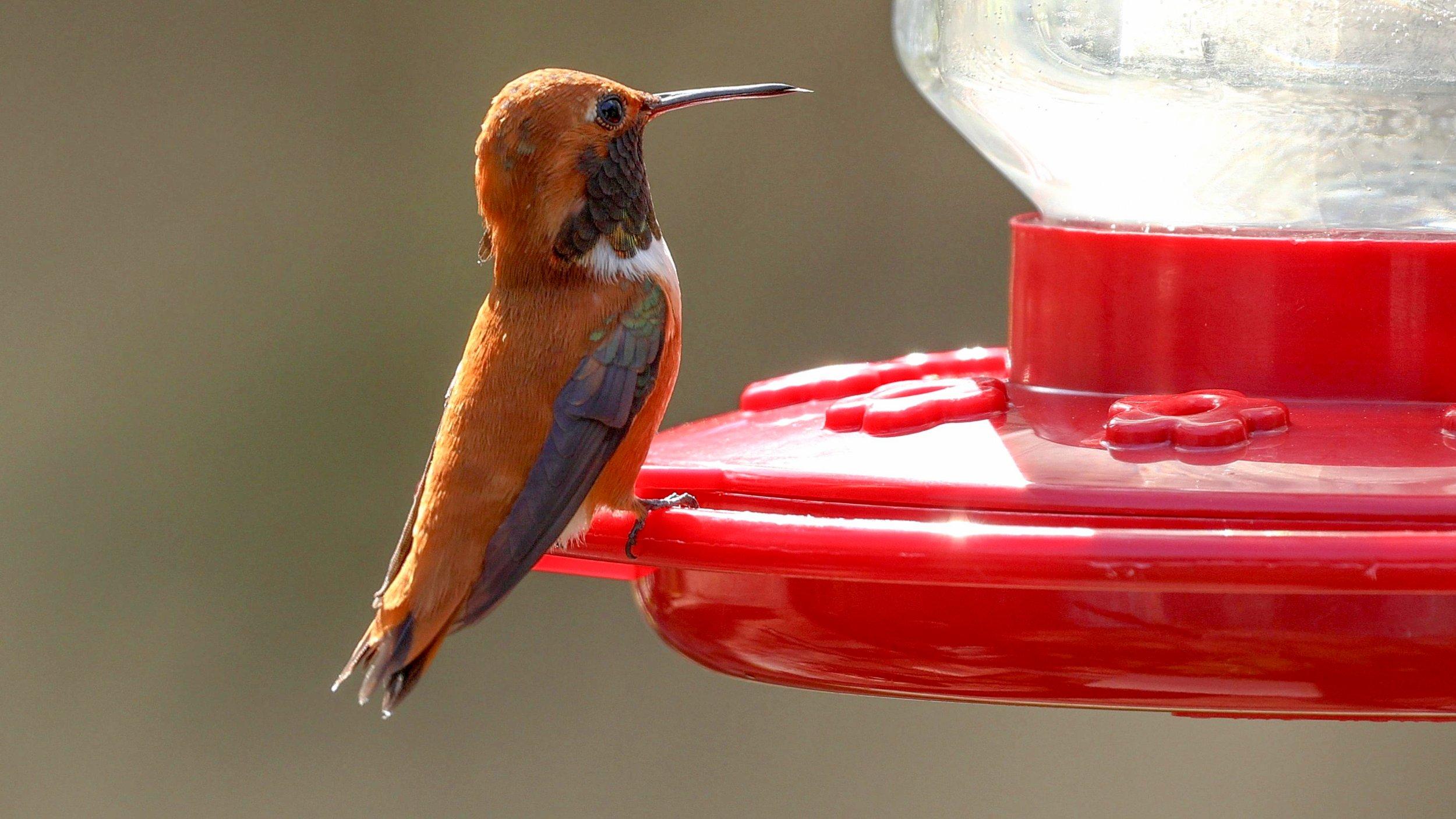
On March 8, Sylvia in Penn Valley, California, submitted an impressive photo of a striking male Rufous Hummingbird at a feeder. This hummingbird will likely have spent the winter in Mexico or along the Gulf and will make its way up to somewhere between the northern edge of California and southern Alaska to spend the summer.
Orioles are late migrants
One of the other popular categories on our website, Baltimore Orioles, still shows a blank map. It'll be a little while yet, as Baltimore Orioles are late to join the migratory party.
If you look at the oriole's abundance map on eBird, you'll see that the bulk of oriole movement doesn't occur until at least mid-April.
If and when you see an oriole, robin, hummingbird, or Red-winged Blackbird, let us know!