
Since our last report, monarchs have continued their northern movement, with sightings through the central flyway reaching southern Missouri and the areas of Wichita and Kansas City in Kansas.
On March 26, we received our first sighting from the Jayhawk State, in Wichita. March 29 was a big day as well, with sightings coming in on Sunday in Springfield and Branson, Missouri, as well as Roeland Park, Kansas, near Kansas City.
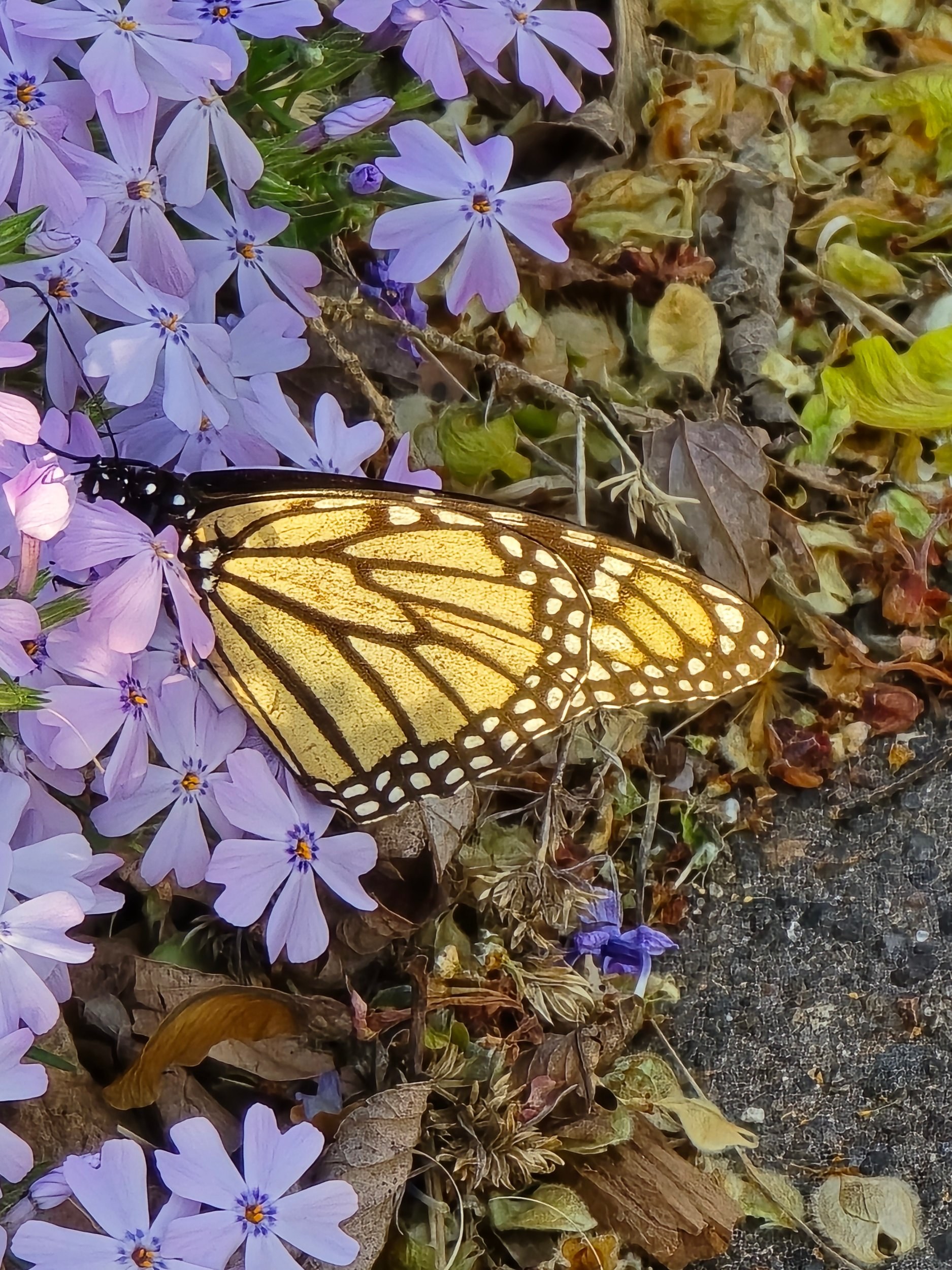
“Crazy warm weather has pushed monarchs here early,” Linda wrote from Roeland Park, Kansas, reporting a “very faded” male nectaring on creeping phlox and henbit, some of the only flowers in bloom.
Monarchs are adept at finding milkweed, even when it’s very short, as Alfredo’s photo from Green Forest, Arkansas, shows.
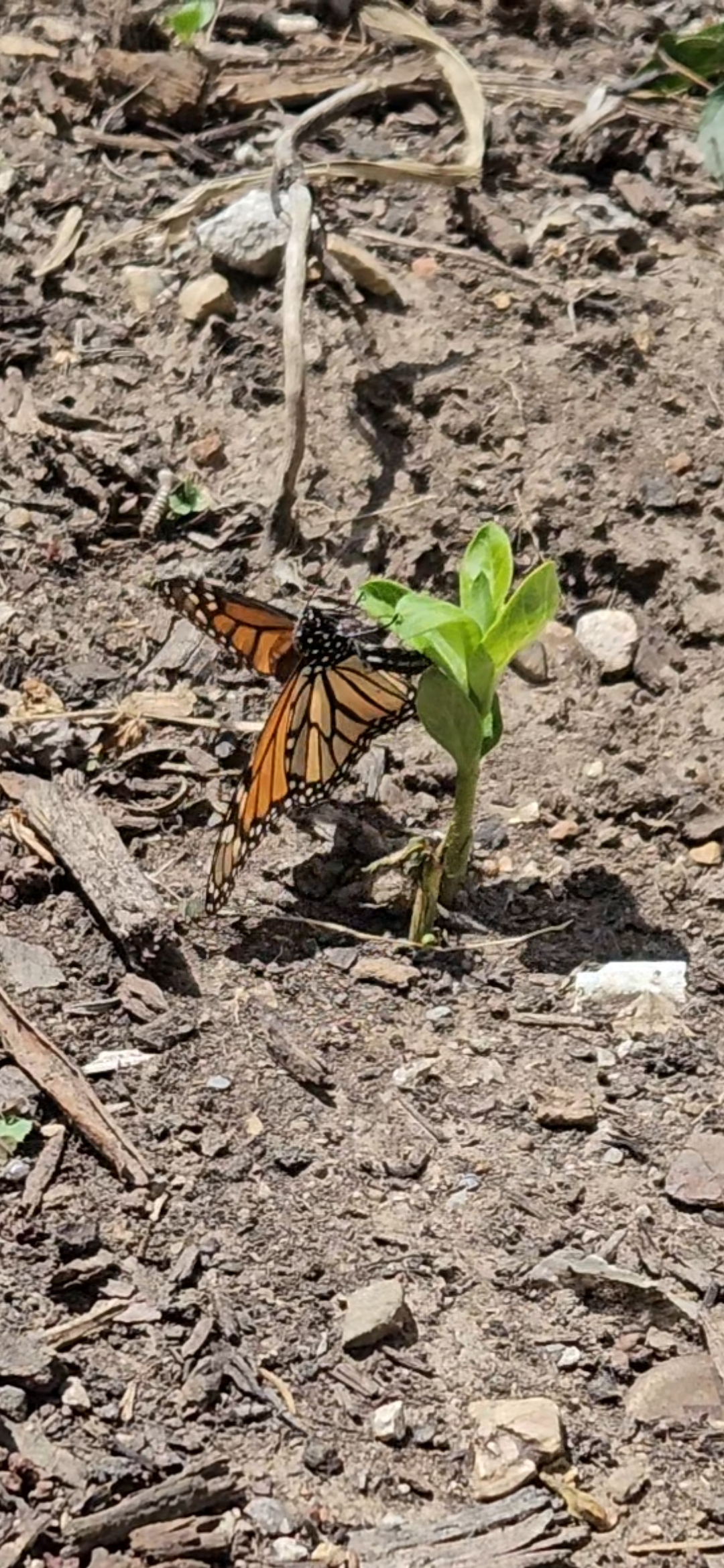
Still, there’s a concern that some of these monarchs may be outpacing the availability of milkweed in their northern travels, but we are receiving some reports of milkweed from Kansas City, and even as far as Iowa.
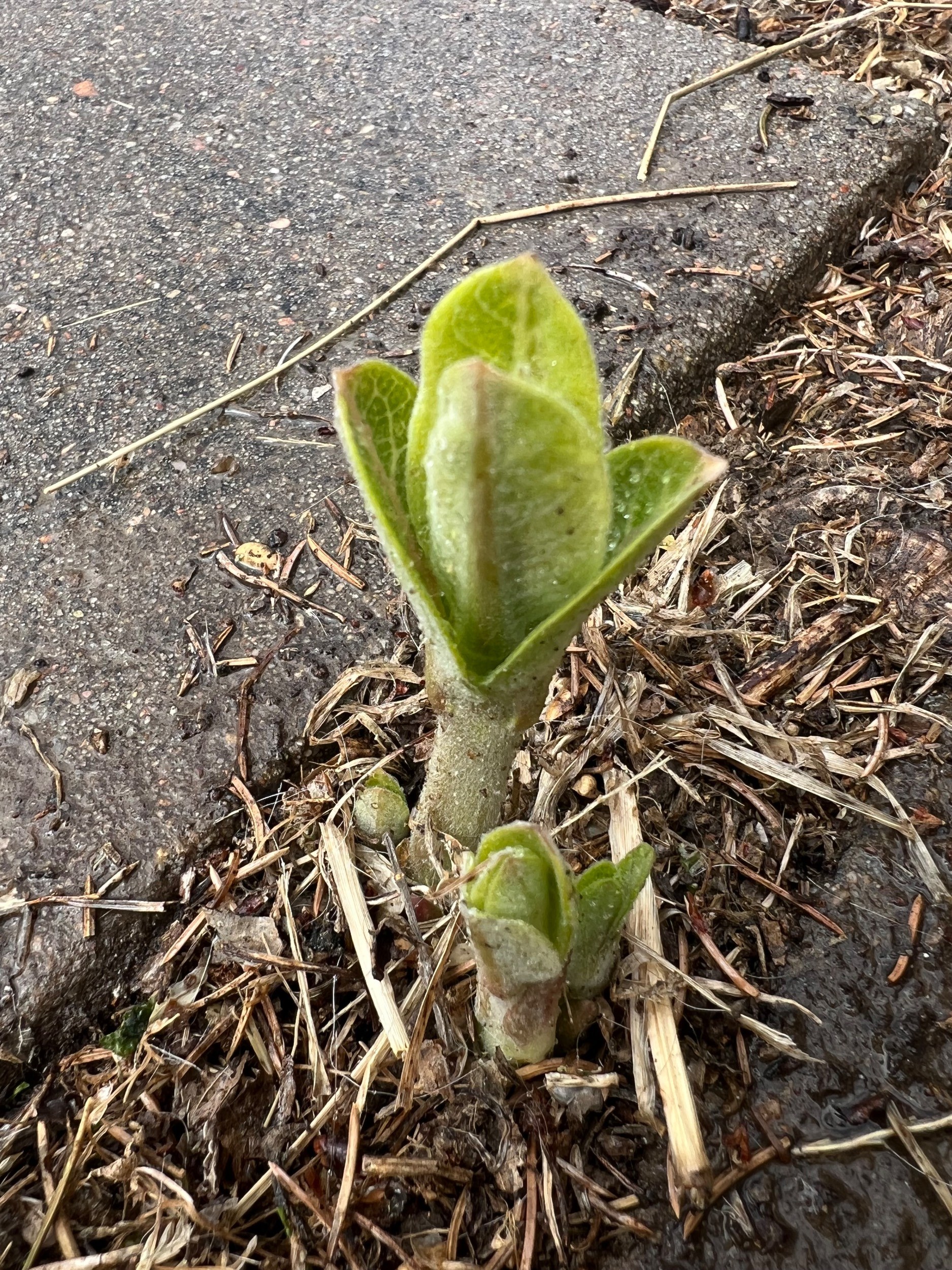
Nancy in Pacific Junction, Iowa, reported a milkweed stem poking through a crack in the sidewalk.
“This is the third year for this plant, Nancy wrote. “It has emerged about 10 days earlier than last year.”
Among the other reports was Nelson’s report from Atchison, Kansas, near the Missouri border, and Sue’s report from Topeka, Kansas, both on March 26.
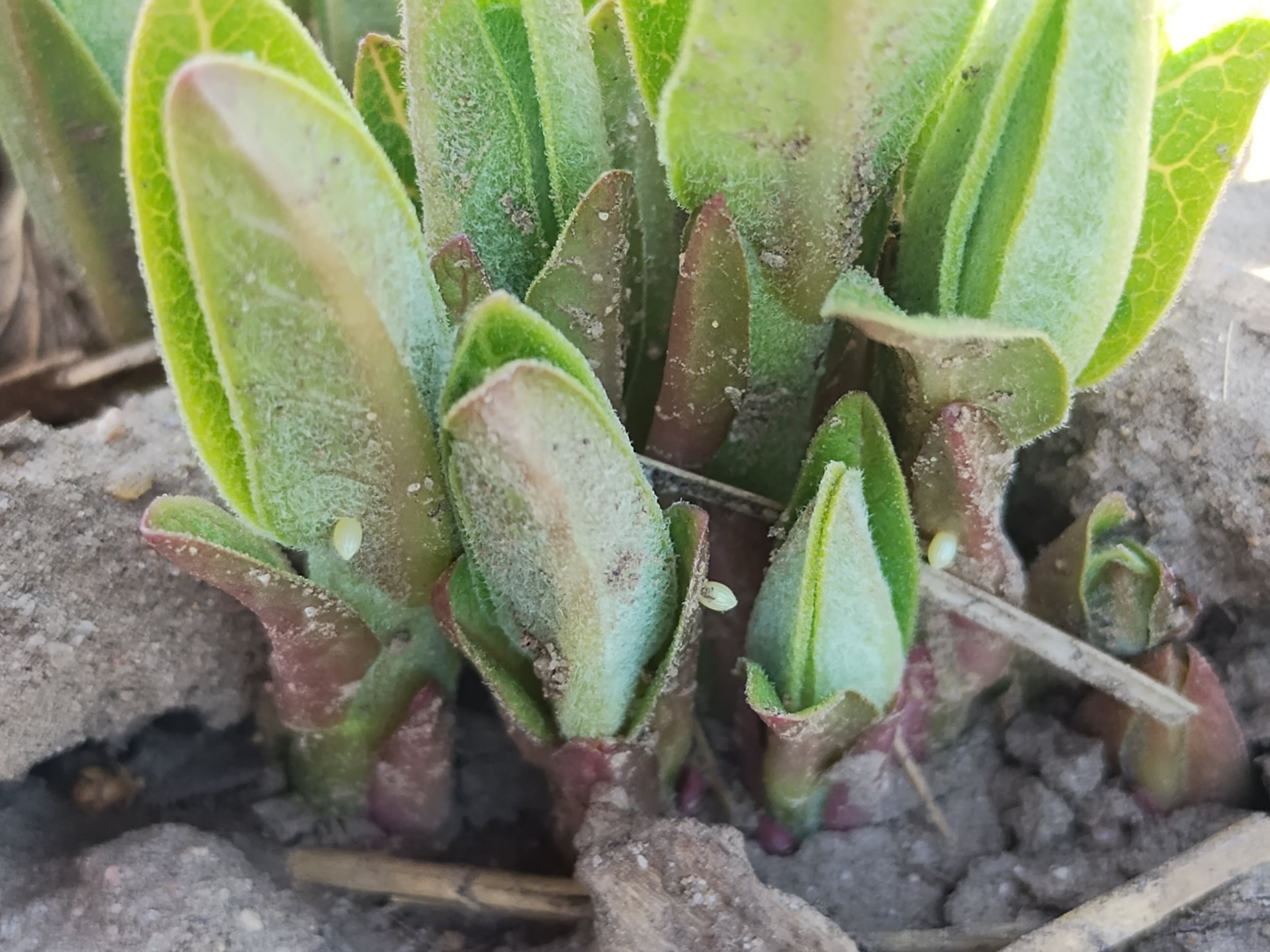
Monarchs are finding this milkweed in Kansas, as evidenced by a report of eggs in Arkansas City, Kansas, on March 30.
Further east
A little bit to the east, monarchs are laying eggs near Alabama’s northern border, as well as near Jonesboro, Arkansas, northeast of Memphis.
“Eggs on basically every milkweed seedling and emerging mature plant in my garden,” Danielle wrote from Tuscumbia, Alabama, on March 31, reporting at least eight eggs across swamp milkweed, butterfly weed, and green milkweed.
Milkweed has been reported in Tennessee, the Carolinas, and Virginia, ready for whenever monarchs arrive.
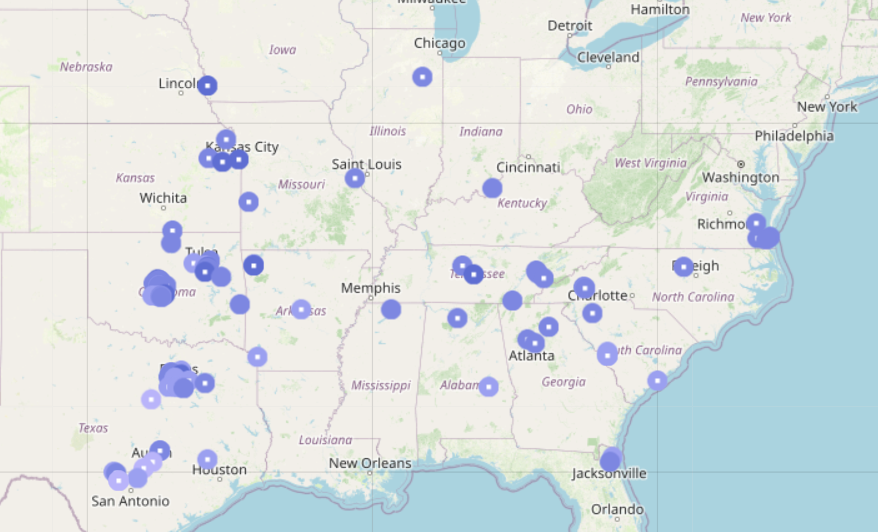
Until April, we hadn't received any photos of monarchs from the Carolinas or Virginia, though we'd received a few reports.
“Unmistakably a monarch,” wrote Michael in Matthews, North Carolina, on March 31. “Flew right outside my window.”
We did, however, receive a photo from Dana in Trappe, Maryland, on April 1.
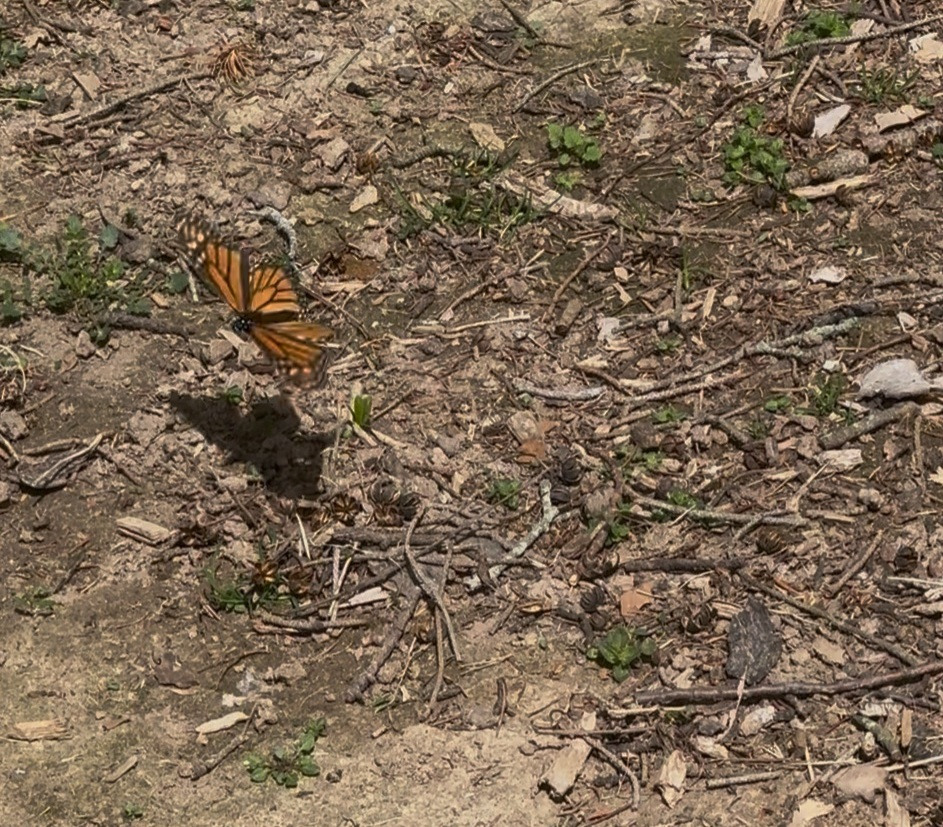
Then, on April 2, we received five photos from the Carolinas, including several of monarch eggs.
"She was flying around, landing on different Common Milkweed shoots," Chaffin in Simpsonville, South Carolina wrote. "There were also some Butterfly Weed shoots, but I did not see her land on them."
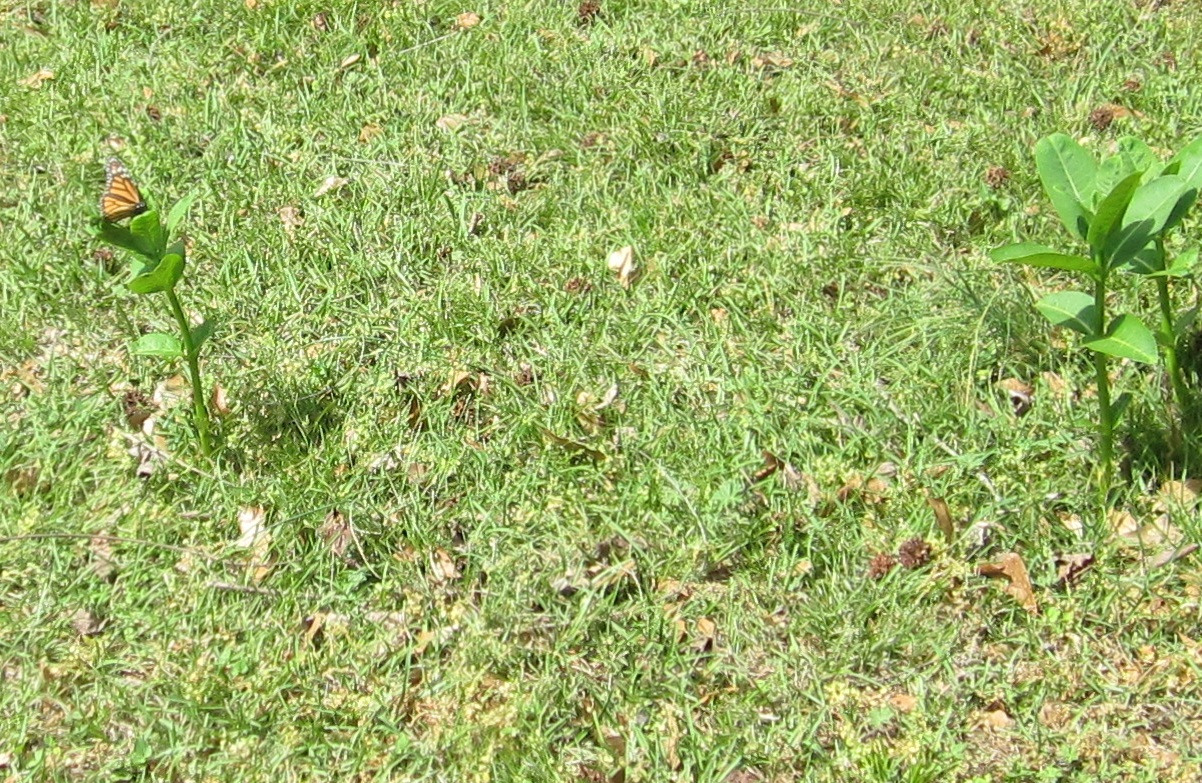
In Cleveland, North Carolina, a monarch found Mary Jo's Butterfly Weed on the same day. "She also deposited eggs on Butterfly Weed Milkweed. At least 20 that I could find on multiple plants."
If you see a monarch adult, eggs, or a caterpillar this spring, or even milkweed emerging, let us know! Photos are always encouraged, but not required, with your observational reports.
“Very last” large departure from overwintering sites
Estela Romero also wrote to us from Mexico on March 25 to describe one final push for the remaining overwintering monarchs leaving their sites.
“Today, from 10 a.m. to after noon, what very probably shall be a last and massive departure occurred. We in town could contemplate a wonderful spectacle.
"Guides in El Rosario said that only very few scattered around were left now. A sensible change in temperatures to warmer (after a couple of very chilly days), within hours from yesterday, March 24, to today, March 25, should have triggered their departure today.
"Gentle winds help them advance north. The spectacle is indescribable.”
Thanks again to Estela for her reporting from overwintering sites throughout the winter, and to Monarchs Across Georgia and the Monarch Butterfly Fund for their continued support that make these reports possible.