

As we've passed Memorial Day weekend, it feels like summer just might be here, and with it, we’ve moved into monarch butterfly season. Temperatures have been warmer (at least in the Upper Midwest), and more people are seeing monarch adults, eggs, and larvae.
I’ve seen four monarchs in Wisconsin as of May 27, with my first coming on May 18, and I wasn't alone in seeing monarchs across the Badger state, with sightings rolling in from Superior to Kenosha.
"Located on the tallest (15") milkweed plant in our south-facing garden," Mary wrote from Wausau, Wisconsin. "In 2025, the first egg was found on June 1, so we are a bit ahead this year."
The monarch map really started to fill up in the Upper Midwest over the last 10 days, with sightings pushing into Michigan's Upper Peninsula and northern Minnesota.
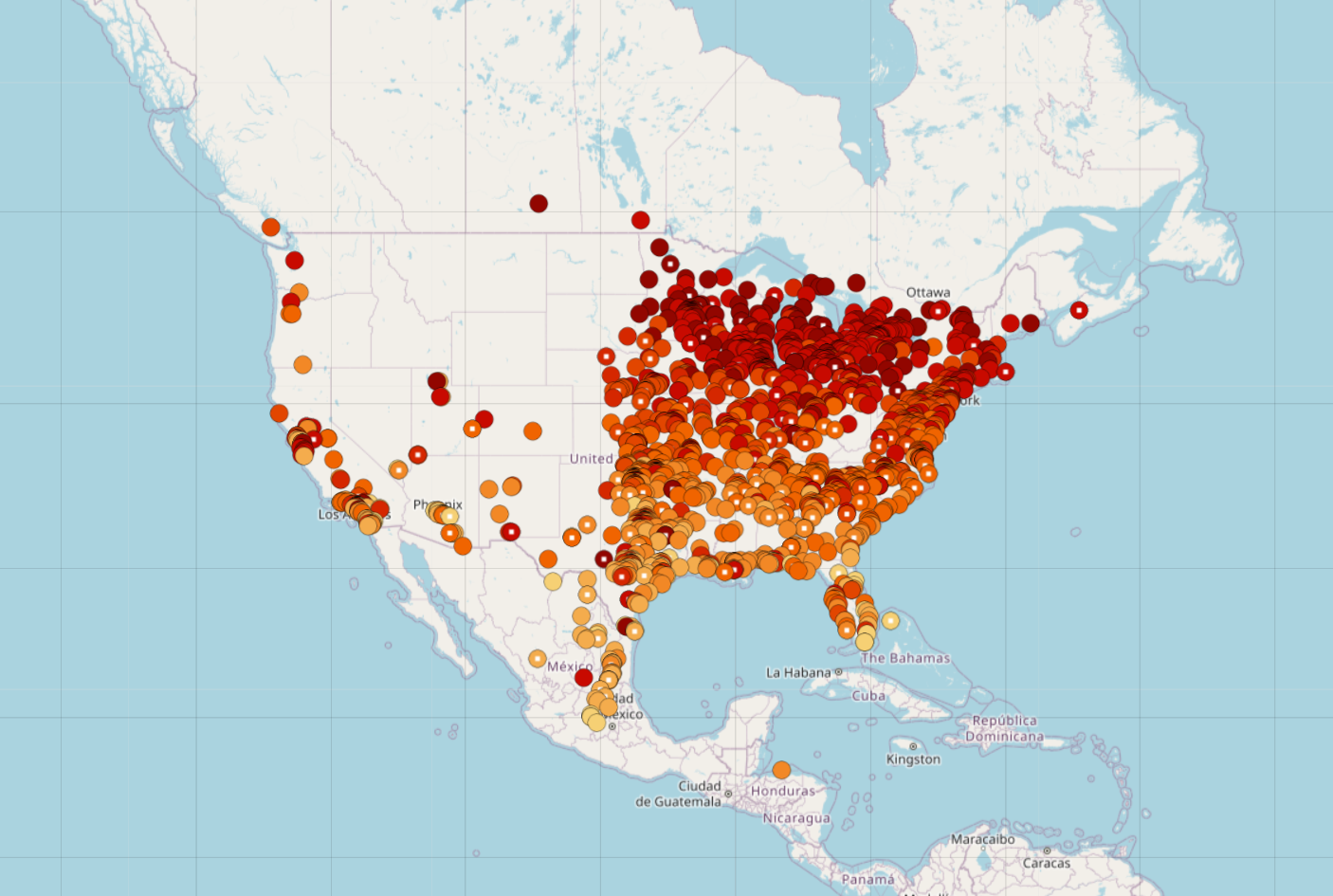
“Thought I saw a monarch earlier in the day, but it flew into the field and could not be confirmed,” Doug in Barnesville, Minnesota, wrote on May 26. “Did see one later this afternoon while in the garden. Milkweed is up, and I usually see the first monarch when the lilacs are in full bloom, and they are.”
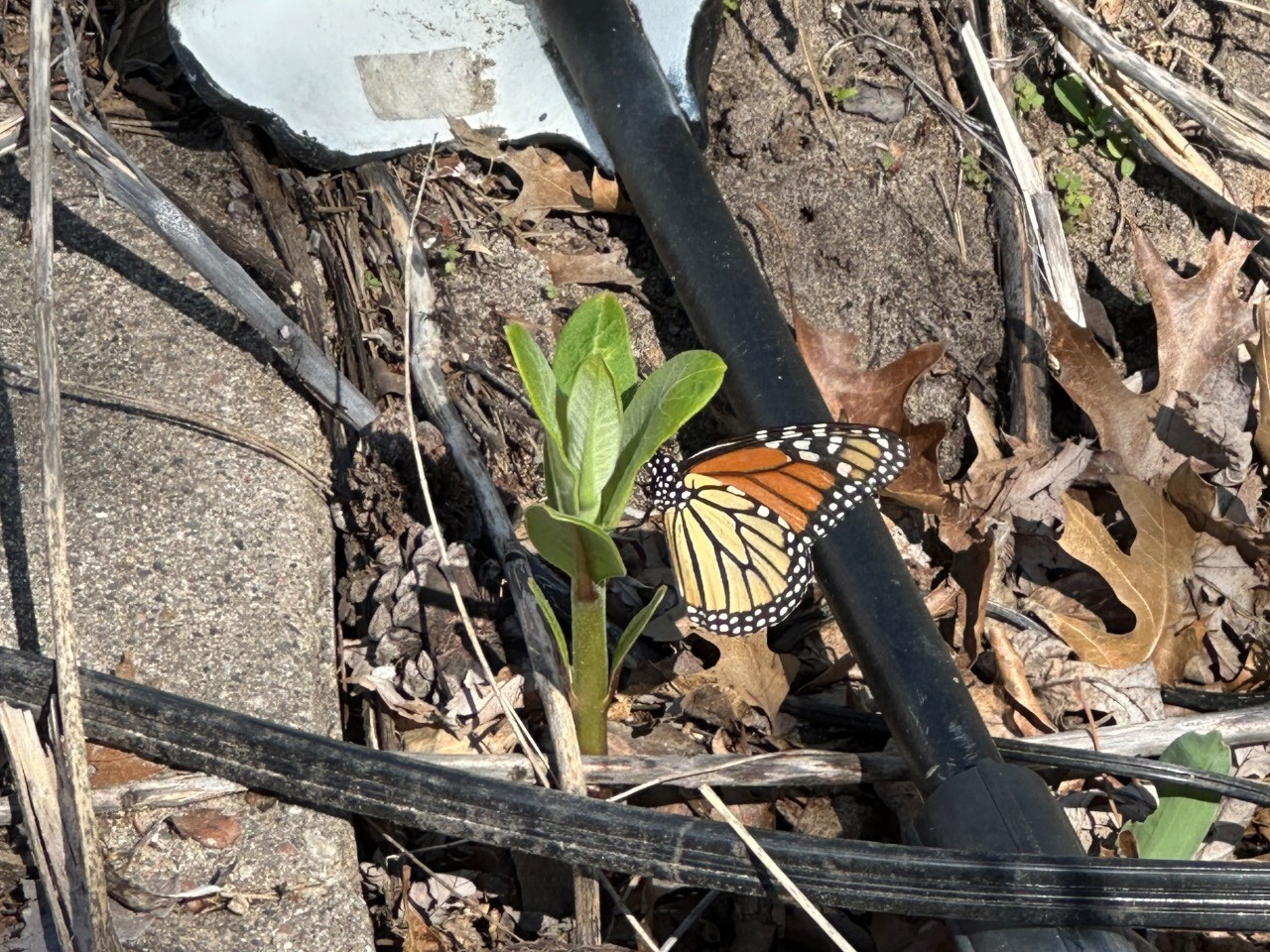
One of our northernmost sightings of the year so far – and our northernmost observation with an image attached to it to confirm the sighting – comes to us from Ann in Bemidji, Minnesota. Ann spotted a female monarch on a short common milkweed shoot on May 26.
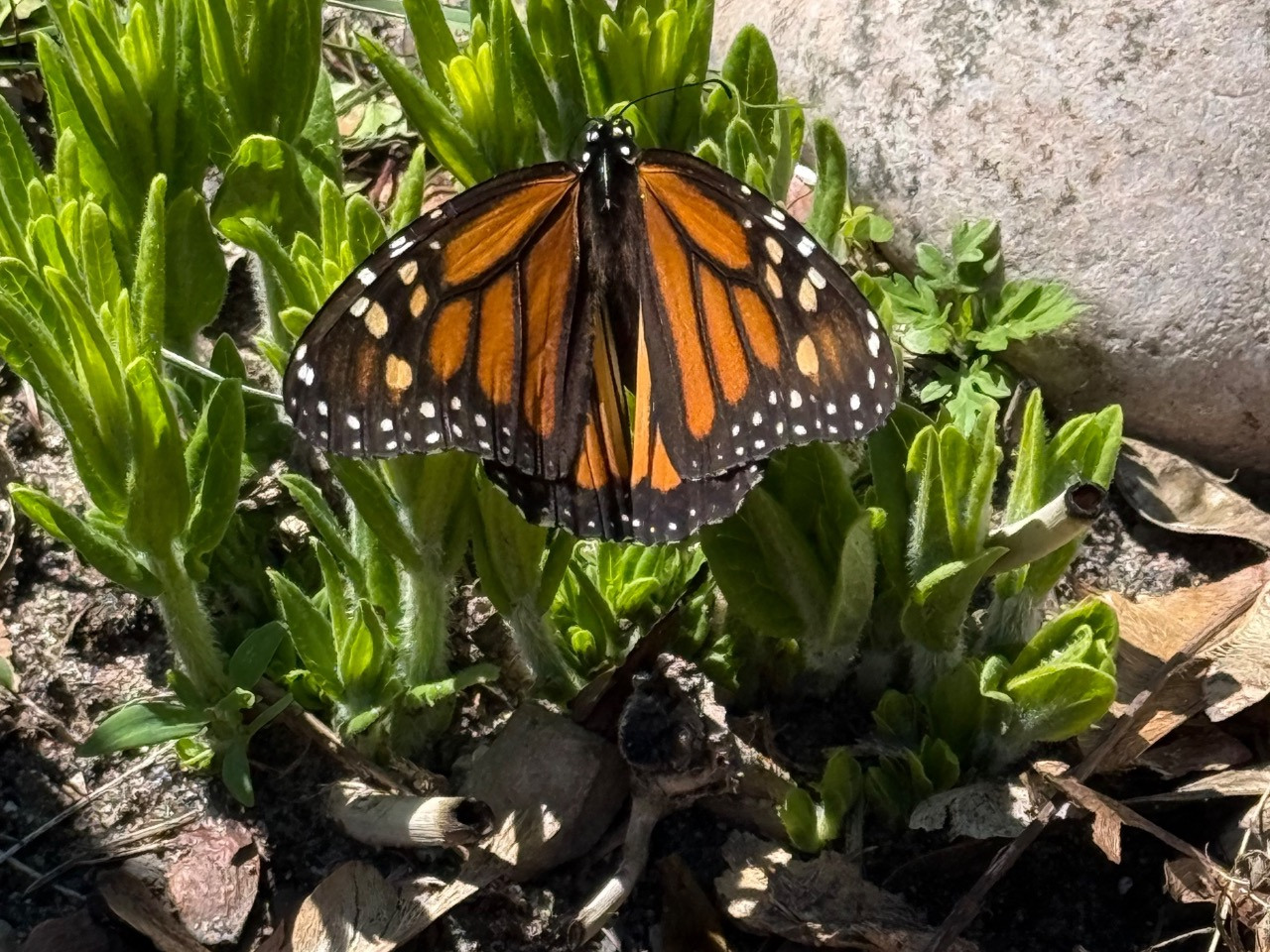
In Upper Michigan, Rheanna in Gladstone reported a monarch among the dandelions on May 19. In the northern reaches of the Lower Peninsula, Skylar counted 12 eggs on swamp milkweed, common milkweed, butterfly weed, and whorled milkweed.
"In Wallace, Michigan, just across the Wisconsin border, Anne reported seven eggs on May 20, writing, "Most were on small individual milkweeds, most of which are less than 4" tall, but there were three eggs on one plant."
Movement in the northeast
Speaking of northern sightings, monarchs have reached Nova Scotia, where Krista in Kentville reported a female laying eggs on common milkweed on May 23.
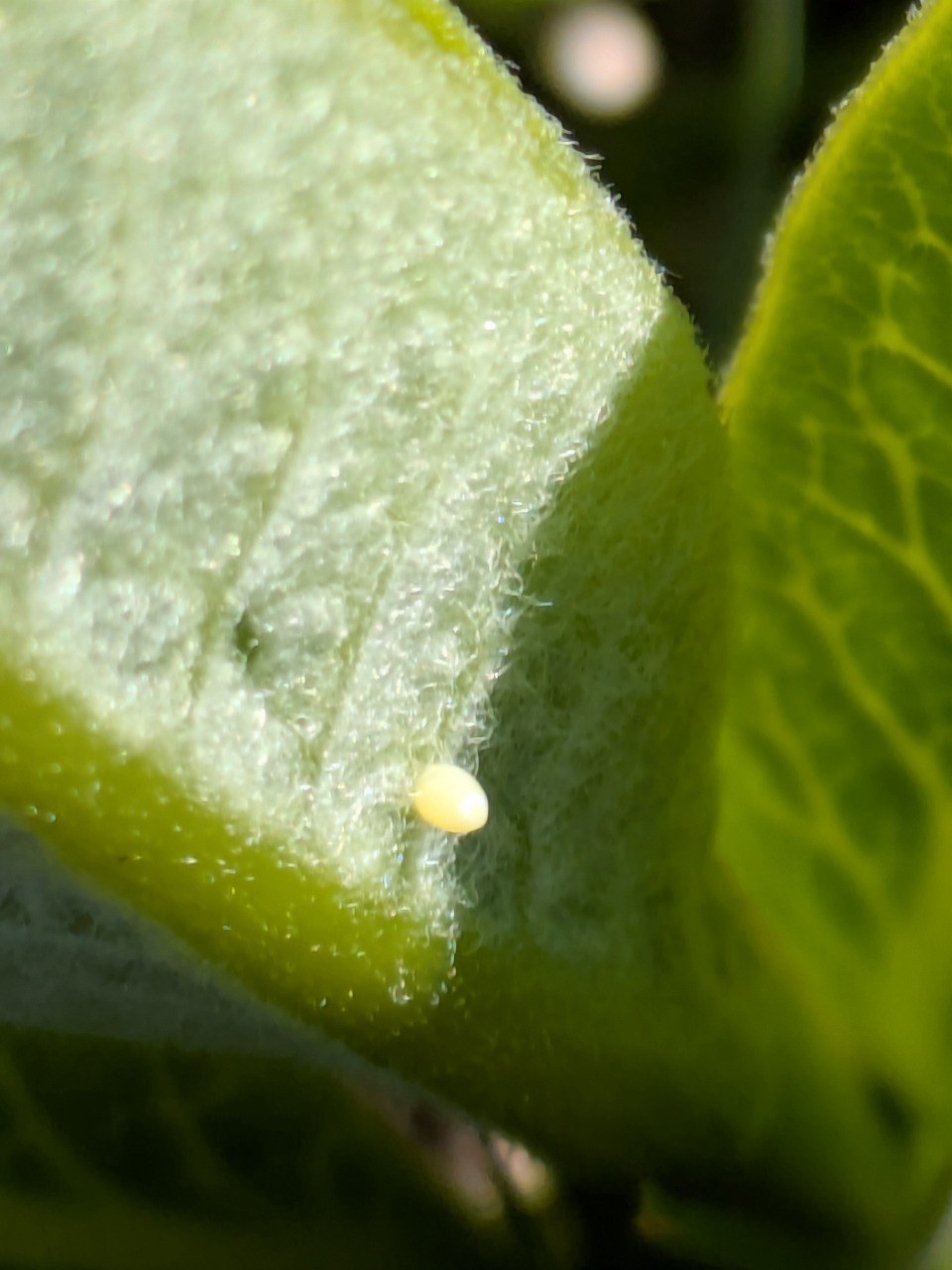
Just over the U.S. side of the border with New Brunswick, Alison reported 24 eggs on May 21, writing, “Very early to be observing monarch eggs on May 21 in Lubec, Maine! The milkweed is growing, but still needs time to get larger. Fingers crossed!”
Sightings moved north through Vermont in recent days as well.
“First sighting of the season, I believe much earlier than other years,” wrote Sarah in Essex Junction, Vermont, on May 26. “I did not run for my phone, rather I just enjoyed the sighting, watching her lay 15-20 eggs for around 10 minutes before she flew off across the street.”
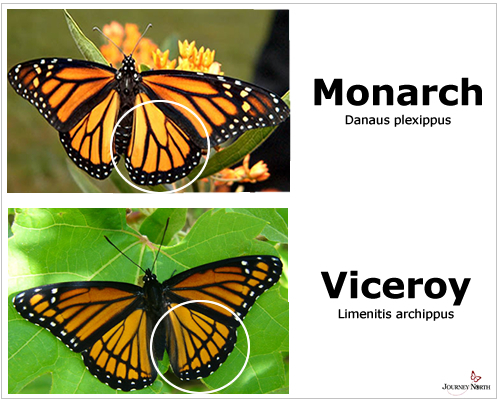
Just to the west, in Gansevoort, New York, Kayleigh reported an adult monarch on May 22, writing, "checked very closely to make sure it wasn't a viceroy. Three eyes were on it."
Viceroys are one of the most commonly confused butterflies with monarchs, and understandably so. They look very similar, save for a line on the hindwing that a viceroy has, but a monarch does not. Learn more about monarch lookalikes here. Now, back to the migration.
In Auburn, New Hampshire, Valerie reported an adult on May 25, writing, “Adult monarch was flying along at the water's edge of Lake Massabesic, and didn't land on any of the common milkweed growing nearby. First monarch sighting of 2026 and earliest ever for me!”
Last year, we received one outlier report on May 3 in New Hampshire, but none after that until June 3. The year before, it was a similar story, with one unphotographed monarch on May 6 and then none until May 28.
Vermont had one sighting on May 28 last year, then none until June 5. In 2024, the first sighting in the state was on May 23.
Monarchs have reached the larval stage in New York and Ontario.
“The eggs have hatched,” Dwayne wrote from Harrison, New York, alongside a stunning photo of a first-instar caterpillar on May 24. “Very early for my garden.”
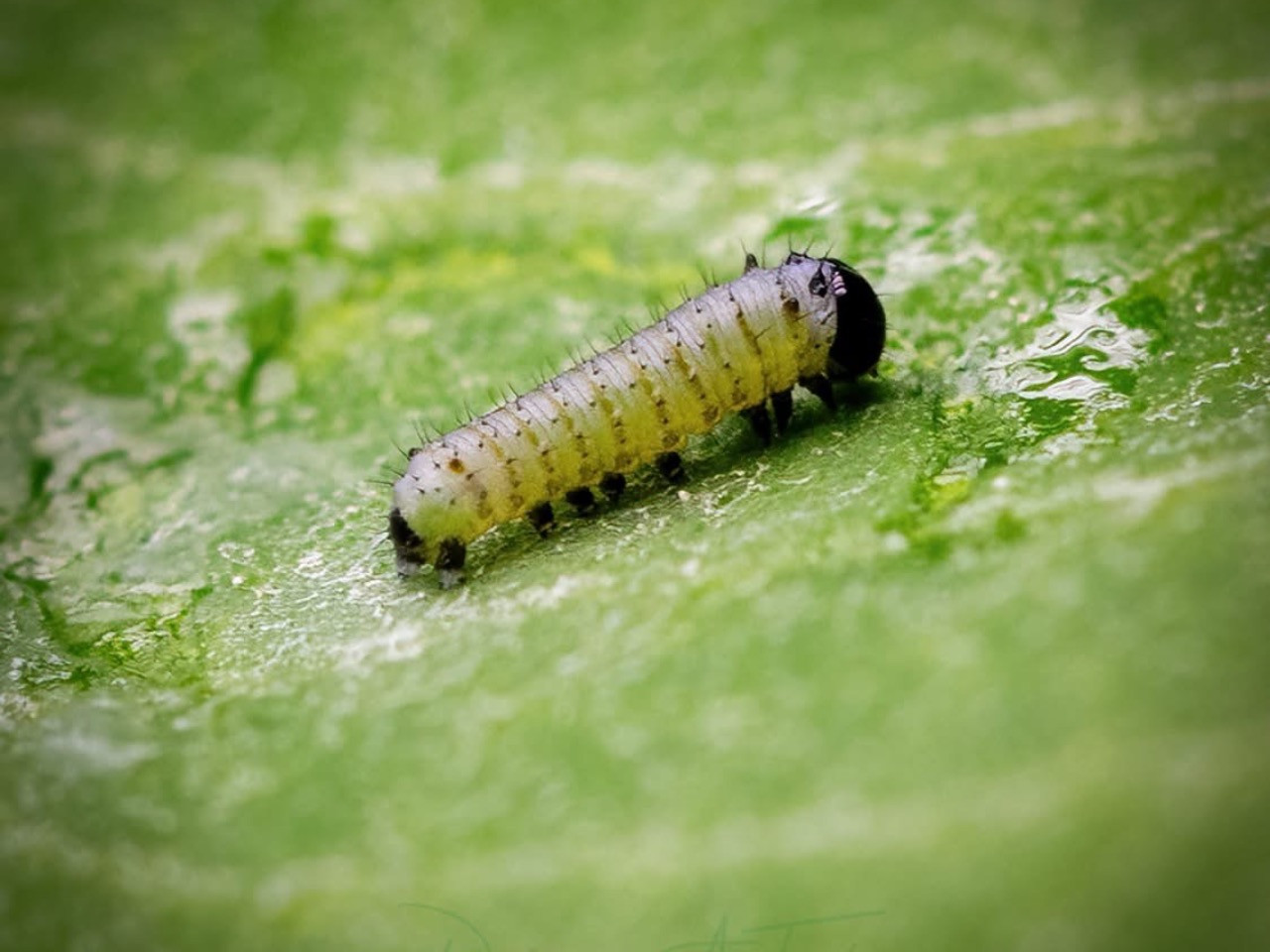
This caterpillar, if it makes it through to the adult stage, will go through five larval instars, or intervals between molts. Monarch caterpillars increase in mass by almost 2,000 times, so they grow too big for their skin. If you’re not familiar with your larval instars, check out this page from the Monarch Joint Venture, which includes photos and measurements to help you determine what age monarch larvae are when you see them in your garden.
Where do monarchs remain in the South?
It's not all about northern movement. Even if you're not on the northern edge of migration, your sightings are still important!
Monarchs have been reported across southern states in recent days. On May 25, Stephanie in Troup, Texas reported a monarch, wondering, "Why are we seeing adult monarchs so late in the season?" In Junction, Texas, to the southwest, Martha reported an adult on the same day. In Donna, Texas, just miles from the Mexico border, we received a report of a monarch adult on May 24.
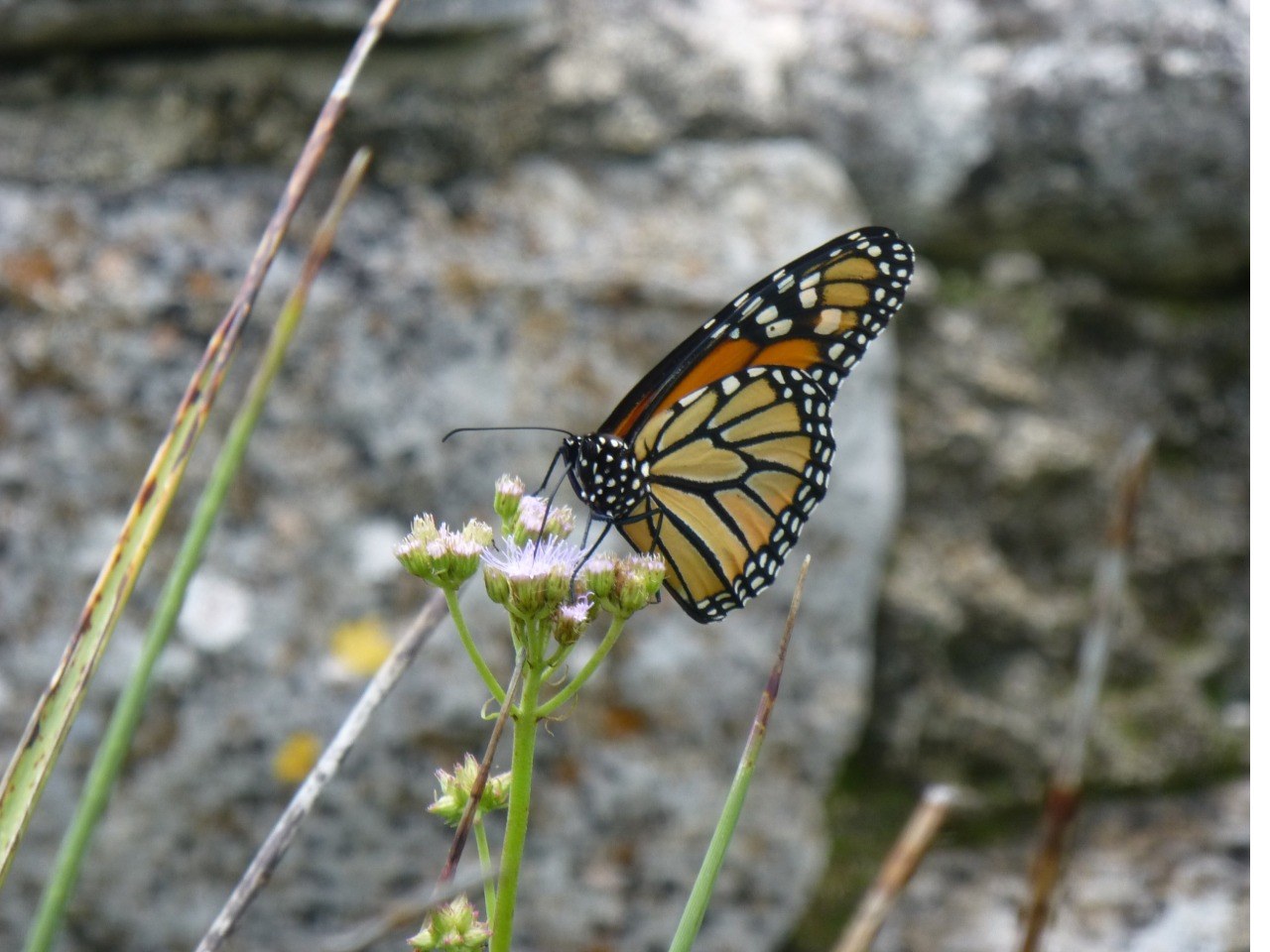
Since the start of the weekend, reports have been more concentrated in areas further north, but we've still received reports from Missouri, Oklahoma, Kentucky, and North Carolina, among others.
A note on captive-reared sightings
Thank you to everyone who has submitted an observation to Journey North so far this spring. We appreciate your commitment each spring to helping fill in Journey North’s maps and data!
Please note that Journey North is no longer accepting sightings of captive-reared monarchs, even if they were originally collected from the wild. If you would like to keep a record of your observations for your own records, please log these sightings in the “other signs of spring” or “practice report” categories.
Thank you again for your observations this spring.