
While the Ruby-throated Hummingbird migration has not yet reached its northernmost reaches, these tiny pollinators have crossed into the Upper Midwest and New England, setting the stage for the final leg of the migration in the weeks to come.
On April 13, we received a report from Biddeford, Maine, not far off the coast. In our only report from the state so far, a Journey North volunteer wrote, “at feeders I put out last weekend. By summer, I’ll have a dozen or so.”
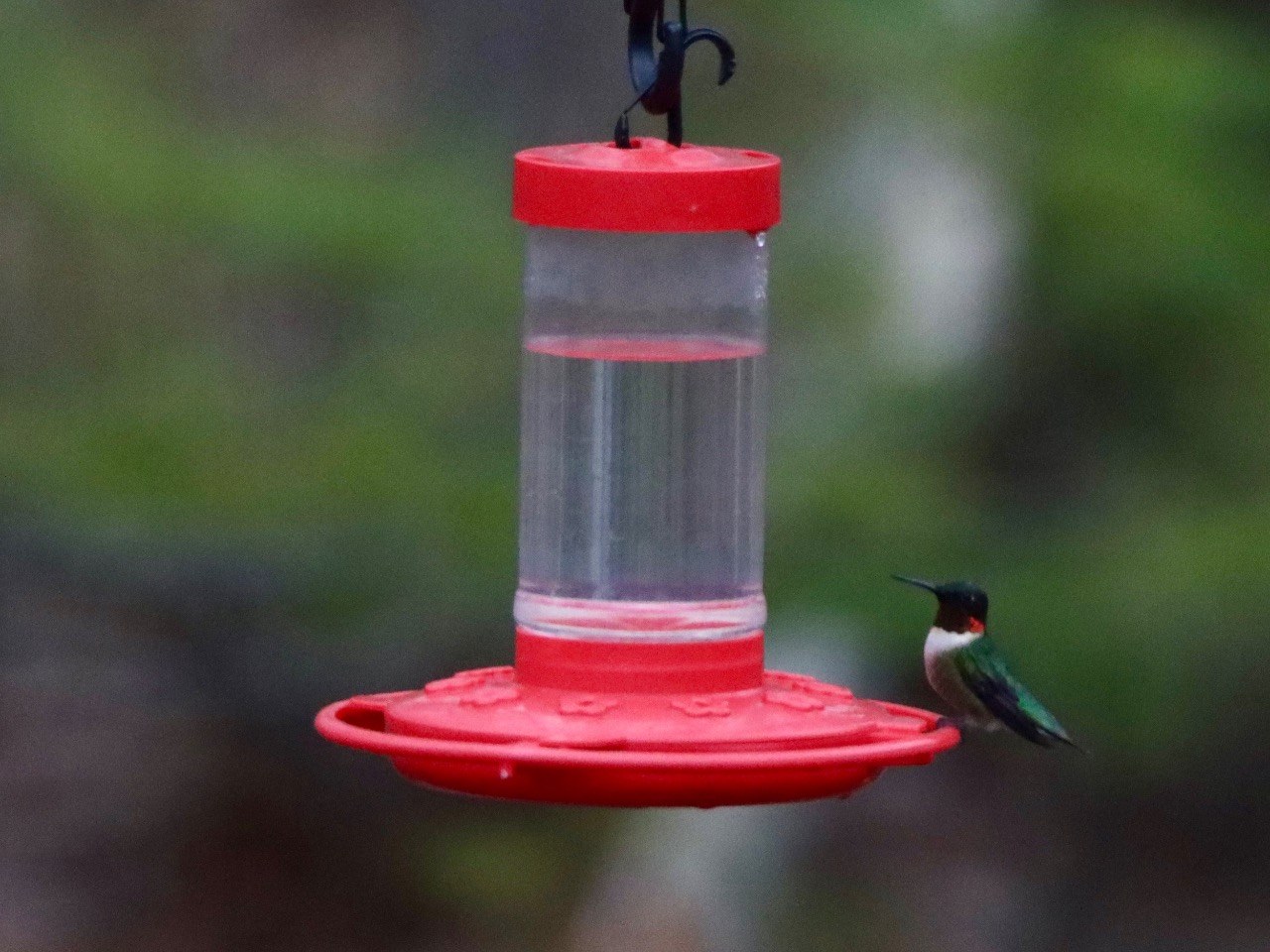
Sightings have been more common a little further south in parts of New England like Connecticut and Massachusetts.
“Earliest sighting ever,” wrote Kim in Oxford, Connecticut, on April 15. “It appeared to be a female visiting the feeder. Could have been a young male. Glad the feeders went up yesterday!”
Last year, our first sighting of a hummingbird in Connecticut was on April 17, a sighting closer to the coast. Kim’s first sighting last year was on April 21.
Each year, arrival times will vary, with some people having the treat of an early sighting, while others will experience the frustration of a longer spring wait.
In Bohemia, New York, Michael reported a hummingbird on April 22 and wrote, “Three days later than last year, but earlier than the normal of between the 24th and 28th of April. Welcome back!”
New Hampshire’s first sighting came on April 24, in Atkinson, with another a day later in Hooksett, a little further north.
In the eastern United States, reports often seem to be more common along the coast, perhaps due to hummingbird migration routes, but also the presence of more people in these locations to report sightings. However, we have received sightings from central Pennsylvania and West Virginia.
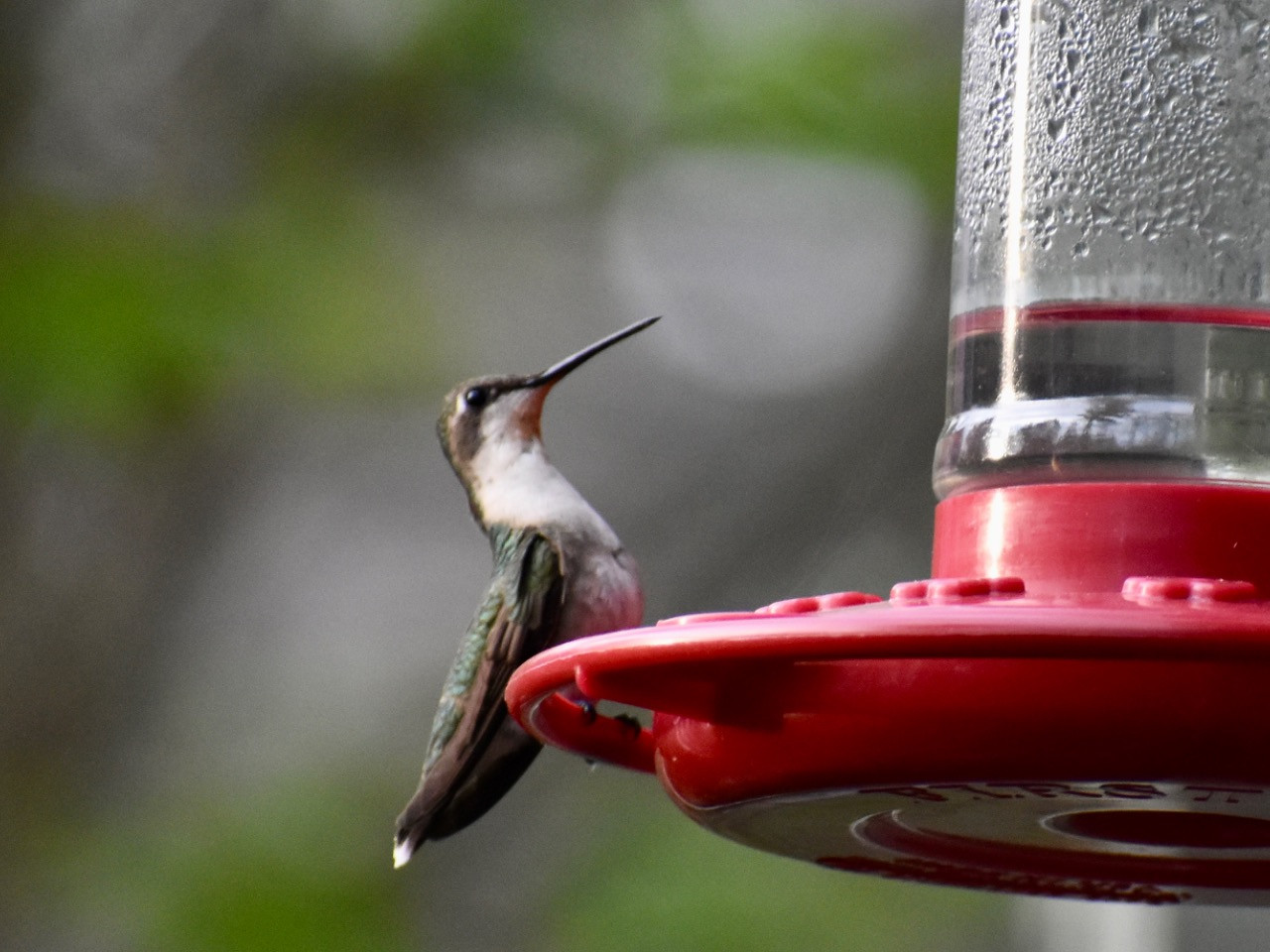
Wherever they’re spotted, it’s obvious that people look forward to their return and pay close attention to their first sightings of the year.
“We track and guess their arrival date every year,” Darren in McClure, Pennsylvania, wrote on April 17. “My wife guessed April 17 and made that guess two weeks ago, so she is the winner. So glad that the hummingbirds are back. Enjoy the show!”
In Elkins, West Virginia, Melanie reported a female on April 18, writing that it was one day later than last year.
Benna reported a hummingbird in Bloomington, Indiana, on April 16, writing with great detail about past sightings: “Over the previous 14 years, the dates in April of our first sightings have been: 15th (2), 16th, 19th, 20th (3), 21st (4), 22nd (2), and 23rd. Over the previous 14 years, the ‘average’ arrival date has been April 20th.”
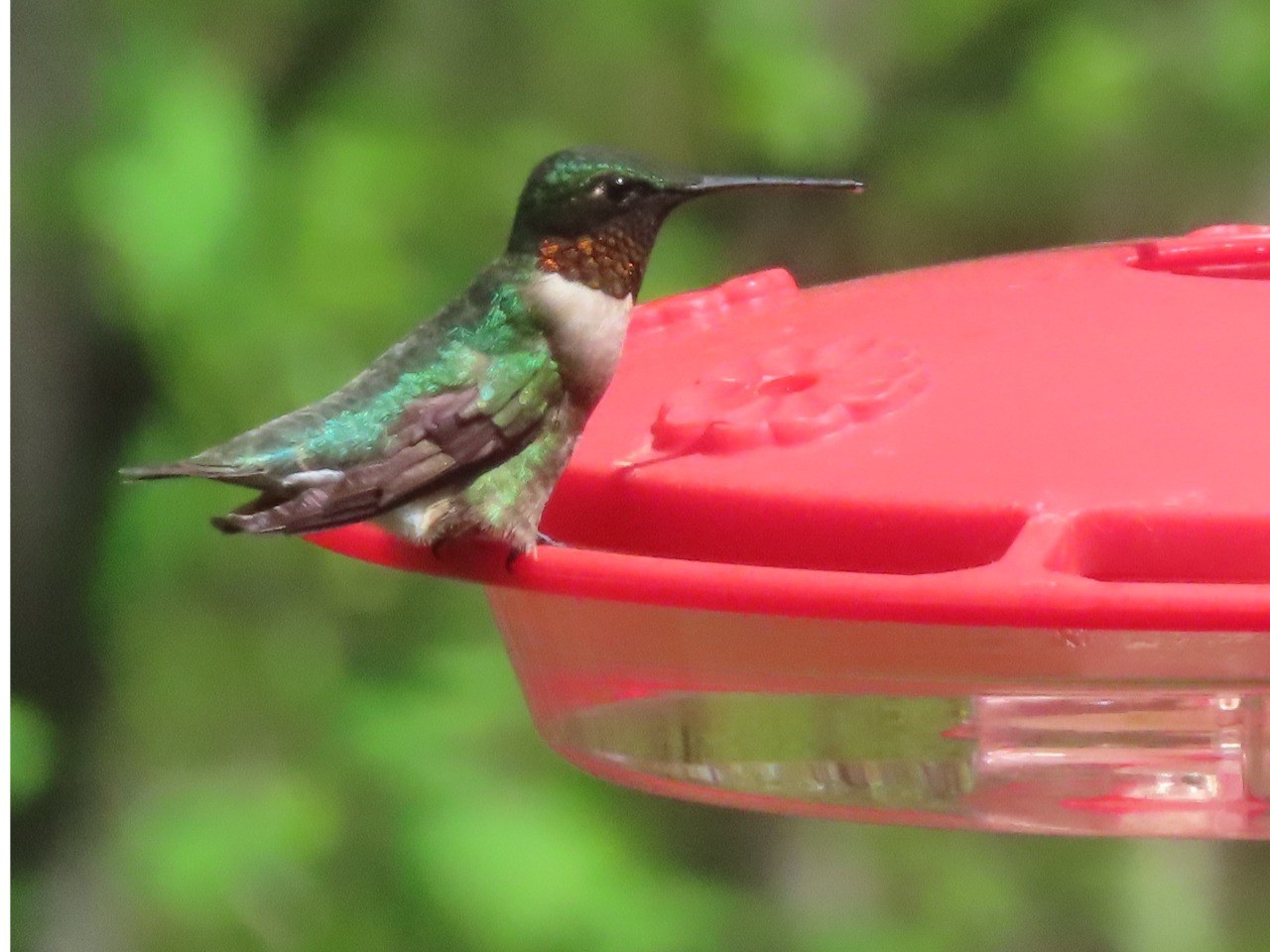
Crossing into the Upper Midwest
In the Midwest, hummingbirds have crossed into Wisconsin and certainly made their presence known in Michigan, where we’ve had over a dozen reports already.
The second-northernmost of them all, as of this article’s writing, comes to us from Diana in Pigeon, Michigan, in “The Thumb” of the Lower Peninsula.
The Midwest had some rough weather last week. Where I live, in Madison, Wisconsin, parts of town received hail the size of tennis balls. Michigan received its fair share of storms as well.
“I have been so concerned about the migrating birds due to nine verified tornadoes in the Lower Peninsula of Michigan, south and west of my location (Grand Rapids to Saginaw, Michigan) on Tuesday, April 14th of this week. However, my two redbud trees’ flowers are almost open,” Diana wrote, although the temperature felt like just 38°F at the time of the report.
At least some hummingbirds were definitely in the state at the time of the storms. In Clinton Township, north of Detroit, Leslie reported one on April 13, writing, “Saw my first of the season in both the front yard around the Bleeding Heart plants and then again in the back yard, around the Hyacinth. This is the earliest I have ever spotted one. But it seems like this week all of the army flowers and flowering trees have popped open!”
Most of Wisconsin’s reports have been clustered in the south-central part of the Badger State, except a few in the Milwaukee area, a few on the west side of the state, and one all the way up near the border of Upper Michigan, in Marinette.
North of Marinette, in the Upper Michigan village of Carney, one was reported on April 25, along with a photo, from Sandy.
Reports from Minnesota have been spread out, though we did receive one from all the way up in Bemidji on April 23, which you can see on the map below.
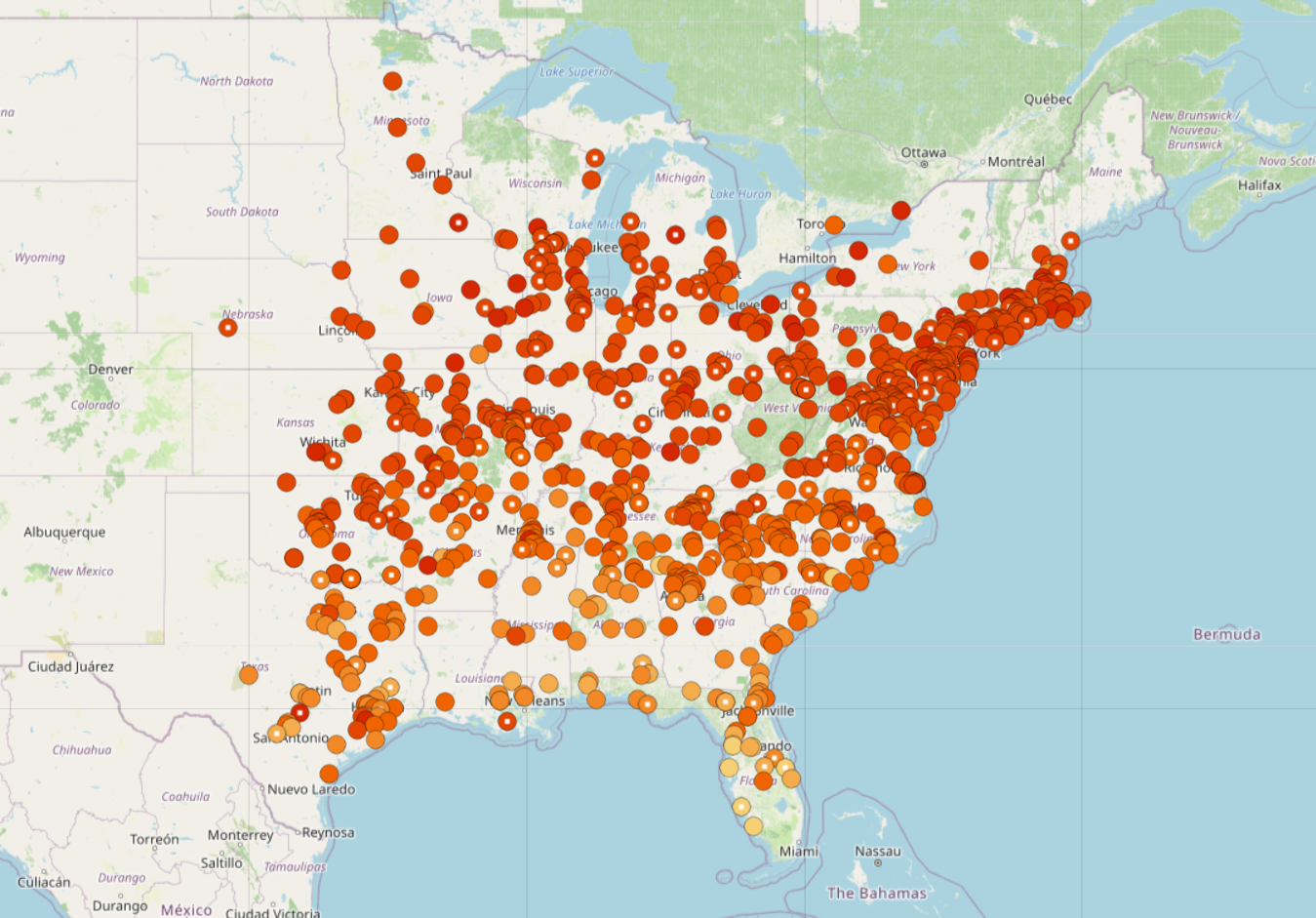
A burst of oriole sightings begins to fill the map
Each year, while we watch the hummingbird map fill up, and while we’ve been seeing robins and blackbirds for a month or more, the Baltimore Oriole map stays mostly blank.
Orioles are fairly late to the migration, but they make it quick once they’re on their way. Looking at the weekly abundance map of orioles on eBird, most Baltimore Orioles are still in Mexico and Central America, even on April 12. By April 19, the migration has begun, and it typically takes until early May for the bulk of the orioles to reach areas like the Midwest and Mid-Atlantic.
This spring, as of April 27, Baltimore Orioles have reached the Upper Midwest, Ontario, and New England.
Based on a handful of reports on April 15 and surrounding days, migration seemed to be moving through eastern Texas in mid-April.
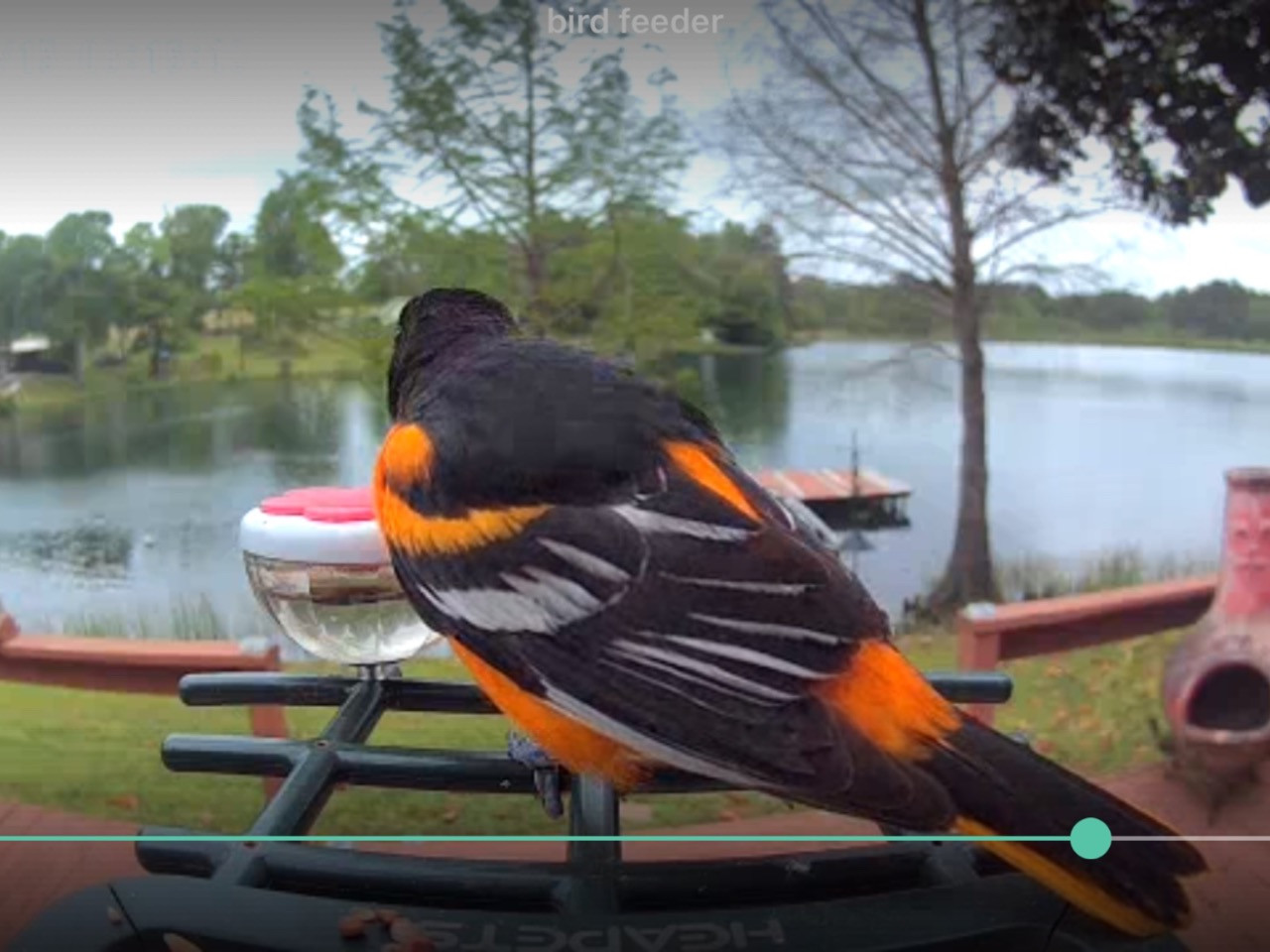
Sightings from Arkansas and Oklahoma didn’t necessarily follow right away, with most of the sightings coming in the last few days.
“Typically, they show around April 15 as we have observed and fed for the last 23 years, but have had them also show as late as April 28,” Robert in Norman, Oklahoma, wrote while reporting his first oriole of the year, on April 26.
If the number of sightings filling the map is any indication, it’s the Midwest where orioles make the biggest impression. We definitely look forward to their arrival each year as a sure sign of the season.
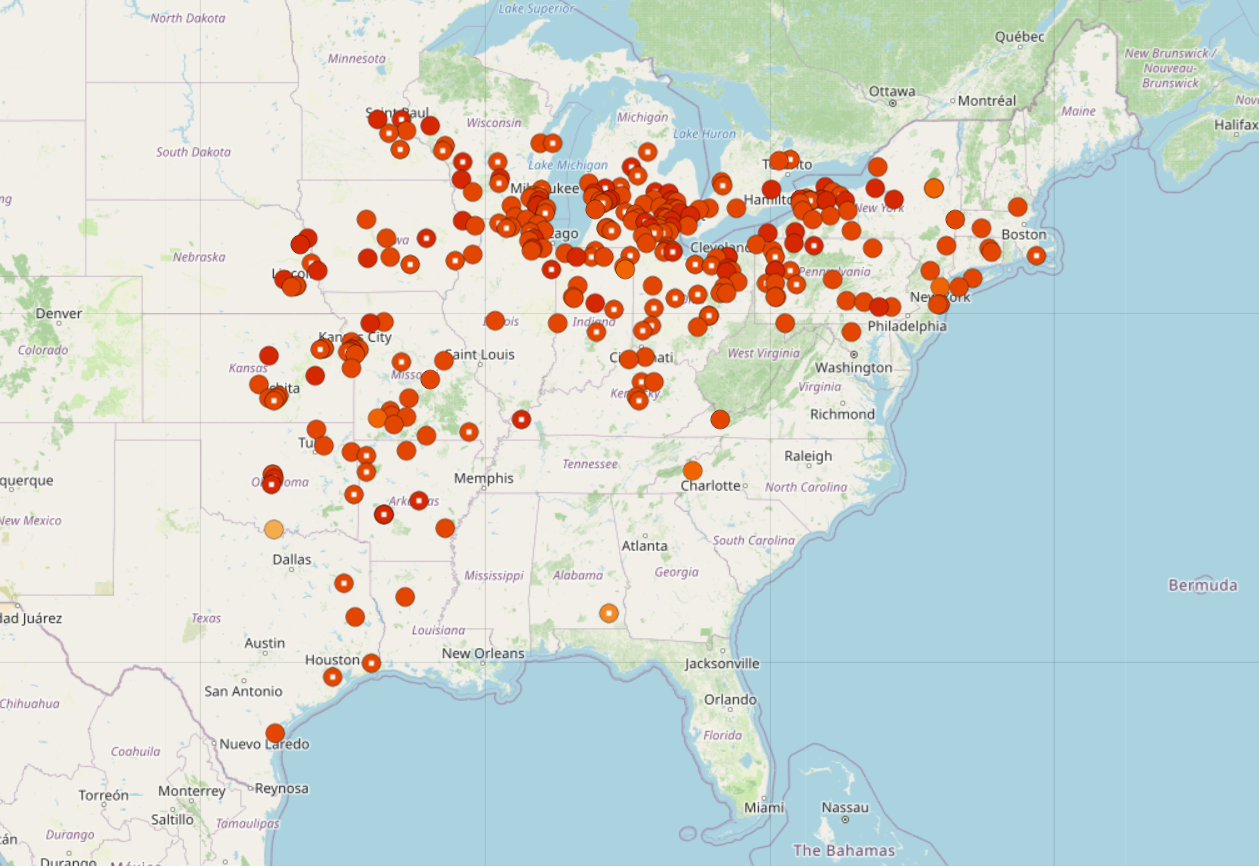
Michigan has been a hotspot of Journey North oriole reports. The first report of a Baltimore Oriole in the state was on April 11, and the first photo-verified report came in a week later. But those were two of only six sightings in Michigan over that time period. In the week since April 19, there have been about 50 reports of orioles in the state, the bulk of which came in over this past weekend.
“Been hearing an oriole for a few days now and finally spotted him at the feeder,” wrote Jacqueline in Nashville, Michigan, on April 24. “So happy they are back!”
Judy in Ann Arbor wrote on the same day, “Let the fun begin!”
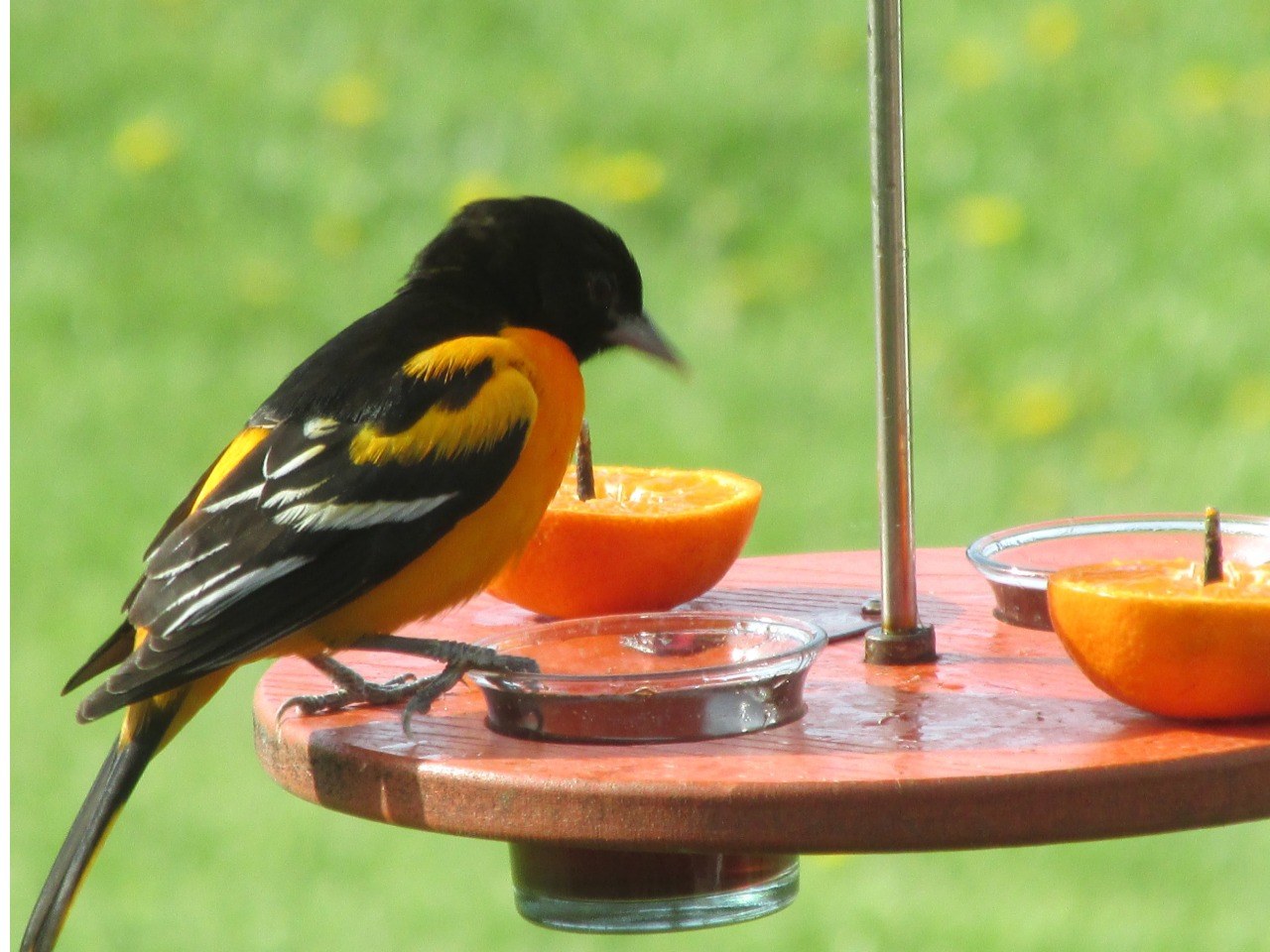
Some of our northernmost oriole sightings come from the Twin Cities area. In Osseo, Minnesota, on the northwest side of the Twin Cities, Christana wrote on April 26, “Seen checking out the feeder and flew away before I could get a photo. Almost a week earlier than usual.”
There’s still plenty of migration to go through these states, as well as out east.
On the East Coast, we received a single report in New Hampshire back on April 16, but the 10 days to follow didn’t advance the map dots any further north. Vermont and Maine have yet to have a report of an oriole to Journey North so far this spring.
In Western New York, sightings have been a little more clustered, so perhaps some of these orioles will continue northeast.
“Landed on our feeder, then appears to have moved on,” Cathy in Spencerport, New York, wrote on April 17. “Probably heading north.”
“Arrived at 1:20 p.m., ate some jelly, and flew away,” Chris in Akron, New York, wrote on April 25. “Earliest seen oriole in years.”
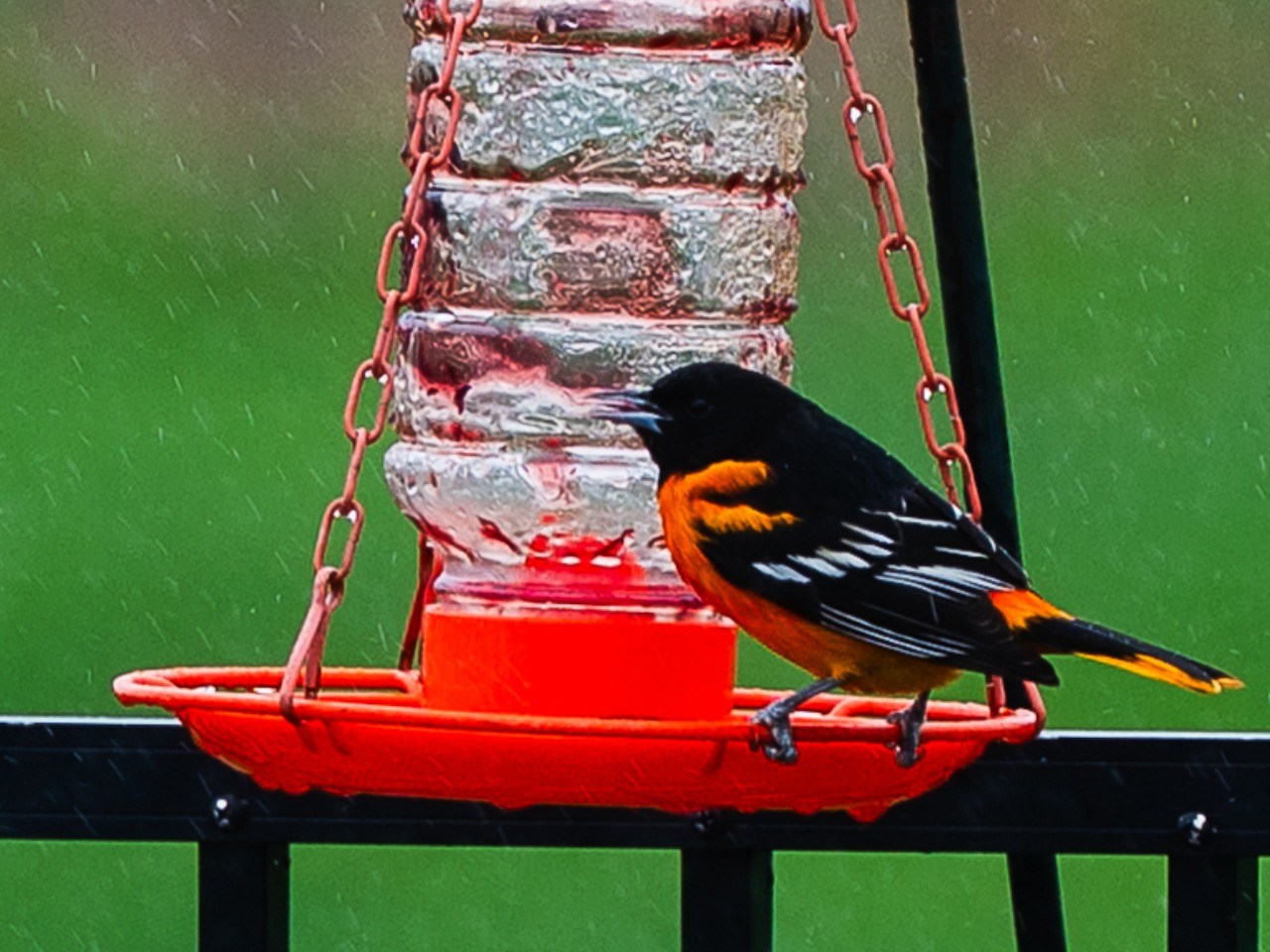
We’ll see what happens over the next week or two. In that time, let us know when you see an oriole. And with Journey North’s latest updates, you can now log sightings of all Baltimore Orioles you see (as well as other oriole species), not just your first sighting of the season.
As always, thank you for your contributions to Journey North's maps and data!