


By Estela Romero
The arrival of our fantastic monarch super generation is seen in frequent, continuous, and considerable numbers arriving now!
Our peaceful communities are filling with excitement. As usual, local and international visitors have booked out all of our hotel availability, especially in Angangueo, since the end of the past monarch season. Very good accommodation options are now available on platforms like Airbnb, as visitors will find.
Sanctuaries Sierra Chincua, El Rosario, Cerro Pelón-Macho de Agua and Piedra Herrada have announced the official opening ceremony on Nov. 20.
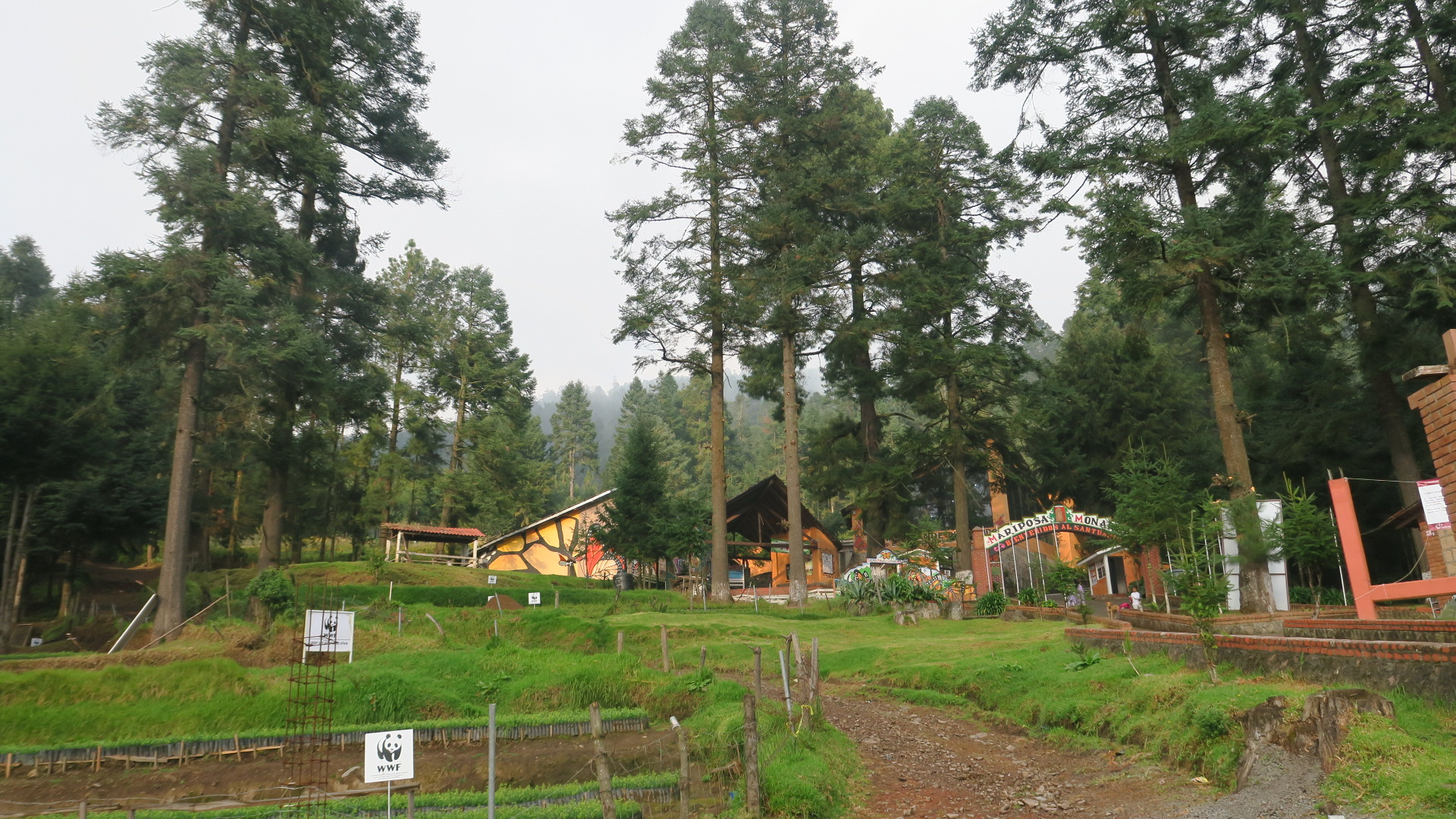
Early clusters in the forest will only be the beginning of an extraordinary overwintering season to come!
A new colony forming
A new colony, Macho de Agua, is located approximately 40 km south of El Rosario and about 40 km from where the first major colony was discovered in 1975 at Cerro Pelón. This site, with its outstanding population and the first people having visited the last couple of seasons, seems to be growing in relevance. Within the local community, people are commenting that the corresponding Monarch Biosphere Reserve authorities and official representatives are evaluating the possibility of allowing visitor access to this colony once again this season.
Estela Romero
Journey North
Angangueo, Michoacán, México.
¡La llegada de nuestras fantástica súper generación monarca se ve ahora en números frecuentes, contínuos e importantes!
Nuestras apacibles comunidades se llenan de entusiasmo. Our peaceful communities fill with enthusiasm. Visitantes locales, pero principalmente extranjeros han reservado la totalidad de de disponibilidad en nuestro servicio de hoteles, particularmente en Angangueo, desde el fin de la temporada pasada, como es usual.
Siguen disponible el espacio en opciones de “Air b&b” a través de las páginas más acreditadas, como lo habrán de confirmar nuestros demás visitantes al explorarlas.
Los Santuarios Sierra Chincua, El Rosario, Cerro Pelón-Macho de Agua y Piedra Herrada announcian ya la apertura oficial para el próximo 20 de Noviembre.
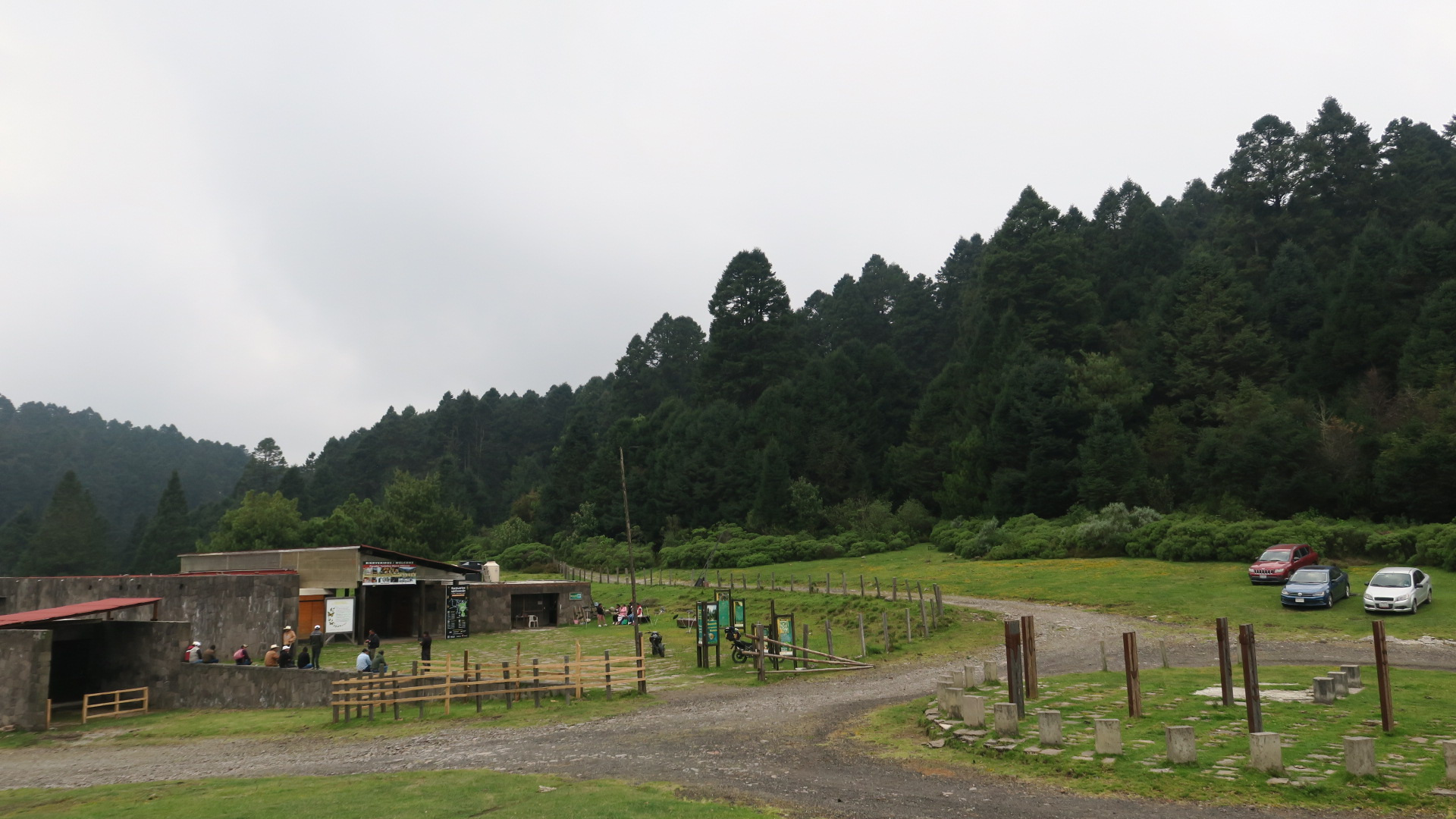
La formación temprana de racimos para esos días en las colonias ha de ser solo el arranque de una extraordinaria temporada de invierno de Mariposas Monarcas!
Se forma una nueva colonia
Una nueva colonia, “Macho de Agua”, localizada a un promedio de 40 km al sur de El Rosario y similarmente 40 km de donde estuvo siempre la primera gran colonia descubierta en 1975 en Cerro Pelón, con población sobresaliente y algunos primeros visitantes que ha han ido las dos pasadas dos temporadas, parece seguir tomando relevancia. Ahí el la pequeña comunidad la gente comenta que las autoridades de la Reserva de la Biósfera Monarca y las autoridades locales oficiales de estas extensiones de montes, están organizándose para evaluar posible acceso a visitantes a esta colonia una vez más esta temporada.
Western Monarch Update
By Gail Morris, Southwest Monarch Study coordinator
With November dawning, monarchs are appearing along the California coast in increasing numbers, continuing their fall migration flight. As daylight hours dim, temperatures cool, and monarchs set their flight to their winter destination.
From the Field
Early monarch counts at the California sites measured a population similar to last year’s. Counts will continue to gauge the ebbs and flows of the monarch arrival as they settle in for the winter.
Diana Magor, Santa Cruz, California
Diana Magor is reporting the first monarch counts of the season appearing in the Santa Cruz area. This is not the official seasonal count yet, but one of the first preliminary counts kicking off the season. Diana is seeing a steady increase in monarchs, writing, “Monarch numbers have increased dramatically to approximately 1,000 at the three Santa Cruz overwintering sites in the last few days since the cold night weather started.”
Monarch counts started with 18 on Oct. 2, swelling to 611 on Nov. 6 at Lighthouse Field. Counts by Elizabeth Bell and John Dayton at Natural Bridges State Park began on Oct. 7 with 47 monarchs, expanding by Oct. 23 to 650 and growing to 880 monarchs on Nov. 6. They also counted 77 monarchs on Oct. 20 at Escalona Gulch.
“As we have seen in recent years, monarch numbers are higher at Natural Bridges early in the fall. The numbers suggest that there may be considerable movement from Natural Bridges to Lighthouse Field as the overwintering season progresses," Diana wrote.
Stephanie Turcotte, Pacific Grove Monarch Sanctuary
Initially, Stephanie Turcotte and her team found only three monarchs at the Pacific Grove Monarch Sanctuary. They counted again on Oct. 30, and found, “At 7:45 a.m., with barely enough light to see, it was already warming past 60°F. Imagine our excitement when we found small clusters beginning to form in some usual places. One mature Eucalyptus along the hotel fence hosted 3; 2 together. One mature Eucalyptus in the southern end of the grove along the neighbor’s fence line had eight loosely strewn about two branches. A young Eucalyptus in the same area had two, and then a loner on another large Eucalyptus overhanging the path toward the southwest corner. We found a total of 14 monarchs. While it is not a large number, the number did increase. Fingers crossed that the numbers keep multiplying over the next few weeks.”
“On Friday, Nov. 6, we only counted ONE more than the previous week! Our total was brought up to 15 monarchs. While in the previous week we had a few trees that hosted monarchs in twos, this group of 15 was spread throughout the grove and in the neighbor's yard next door. The highest number we had on any one tree was four, on a large established Eucalyptus along the fence line in the southern boundary. We are hoping that some of the monarchs that moved from Natural Bridges and Lighthouse Field will end up in Pacific Grove, although there hasn't been much flight seen in the community to indicate that is the case. We continue to monitor for tagged monarchs, as well. No stories to report as of yet. The monarchs have surprised us in the past. All we can hope is that more will arrive before the Thanksgiving Count begins.”
Kurt Radamaker, Baja California
I recently heard from a colleague about an increase in monarch sightings this year in Baja California that may give us all a breath of hope. “Cindy and I have had a part-time place in Baja California, Mexico, for seven years. This is the first time we are seeing multiple monarch butterflies. I have seen an occasional single over the years, but this fall I'm seeing multiples daily. This morning I saw at least 20.”
I reached out to see if Kurt was still seeing monarchs now in November in Baja California, two weeks after our first communication. “I'm still seeing monarchs daily.” Let’s see where Kurt’s sighting reports will take us regarding this year’s upcoming counts.
Your reports from the West
Here are a few reports from around the West in recent weeks:
10/30/26: Dana in Yuma, Arizona: "The monarch was on our doorstop when we were leaving the house at around 7:10 a.m. ... I thought it was hurt, but it stayed for a minute and flew away."
11/02/26: Journey North observer in Inyokern, California: "At least four to five individuals feeding on Rabbit Brush."
11/08/26: Della in Phoenix, Arizona: "Trying to nectar on the Blue Mist with 16 queens. Male, good condition."
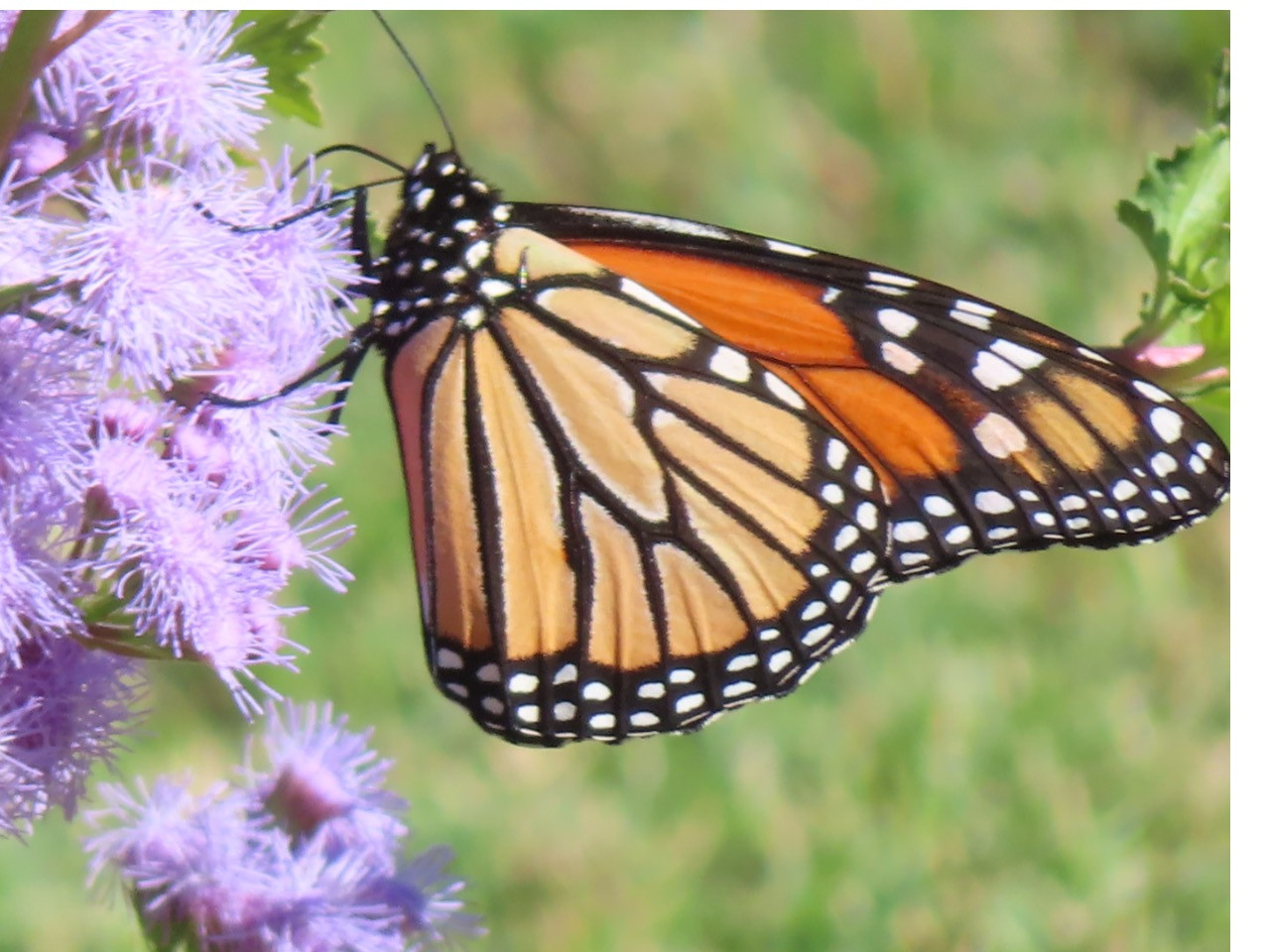
Monarch sightings needed
Seeing monarchs? Your sightings help us present a balanced and accurate report of where monarchs are appearing each week. Report any adults, eggs, and larvae you see to Journey North. Your detailed report can include, but is not limited to, the monarch’s sex and activity. If known, include the type of flowers if they are nectaring. Photos are encouraged and welcomed with all the observations you share with Journey North.
Gail Morris is the coordinator of the Southwest Monarch Study. She is also a Monarch Watch conservation specialist, the vice president of the Central Arizona Butterfly Association, and participates in several western monarch working groups. The “Western Monarch News” is based on your comments provided to Journey to Gail Morris. We hope to increase the number of sightings, photos, and comments entered into Journey North. We rely on the volunteers who communicate regularly with Gail and participate in our effort to increase awareness of the population of western monarchs. You can reach her at gail@swmonarchs.org