

We’re over halfway through the International Monarch Monitoring Blitz, but there’s one weekend left to get out, search for monarchs and milkweed, and get your sightings in! The Blitz runs until the end of the day on Sunday, Aug. 9.
As of writing, over 850 Journey North volunteers have submitted over 2,000 reports of over 20,000 monarchs and milkweed plants, from Florida up to Alberta. Thank you to everyone who has contributed to this total.
Let’s take a look at some of the reports. I wish we had room to feature all of them, as we’ve received a lot of great photos in the first week of the Blitz. If you'd like to view more of them or search for sightings from your area specifically, view our maps.
DeVaughn in Medicine Hat, Alberta, has seen a few monarchs, writing on Aug. 1, “I have been observing several sightings of the monarchs specifically at the college near Medicine Hat the past three days."
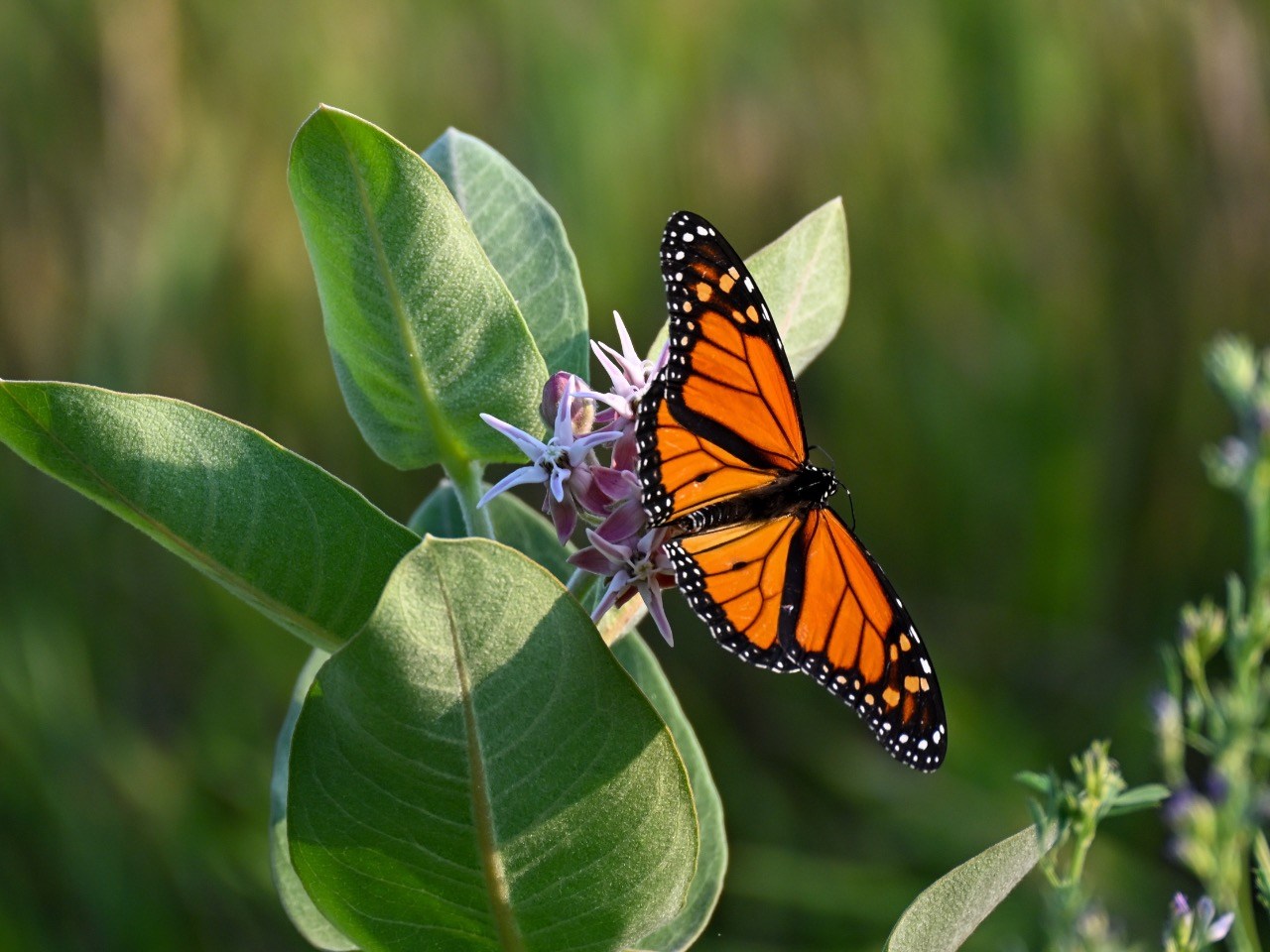
Sightings have been widespread, with at least one report of an adult from every state and Canadian province in the monarch’s range, with the exception of Washington, Idaho, Wyoming, Arizona, and Prince Edward Island.
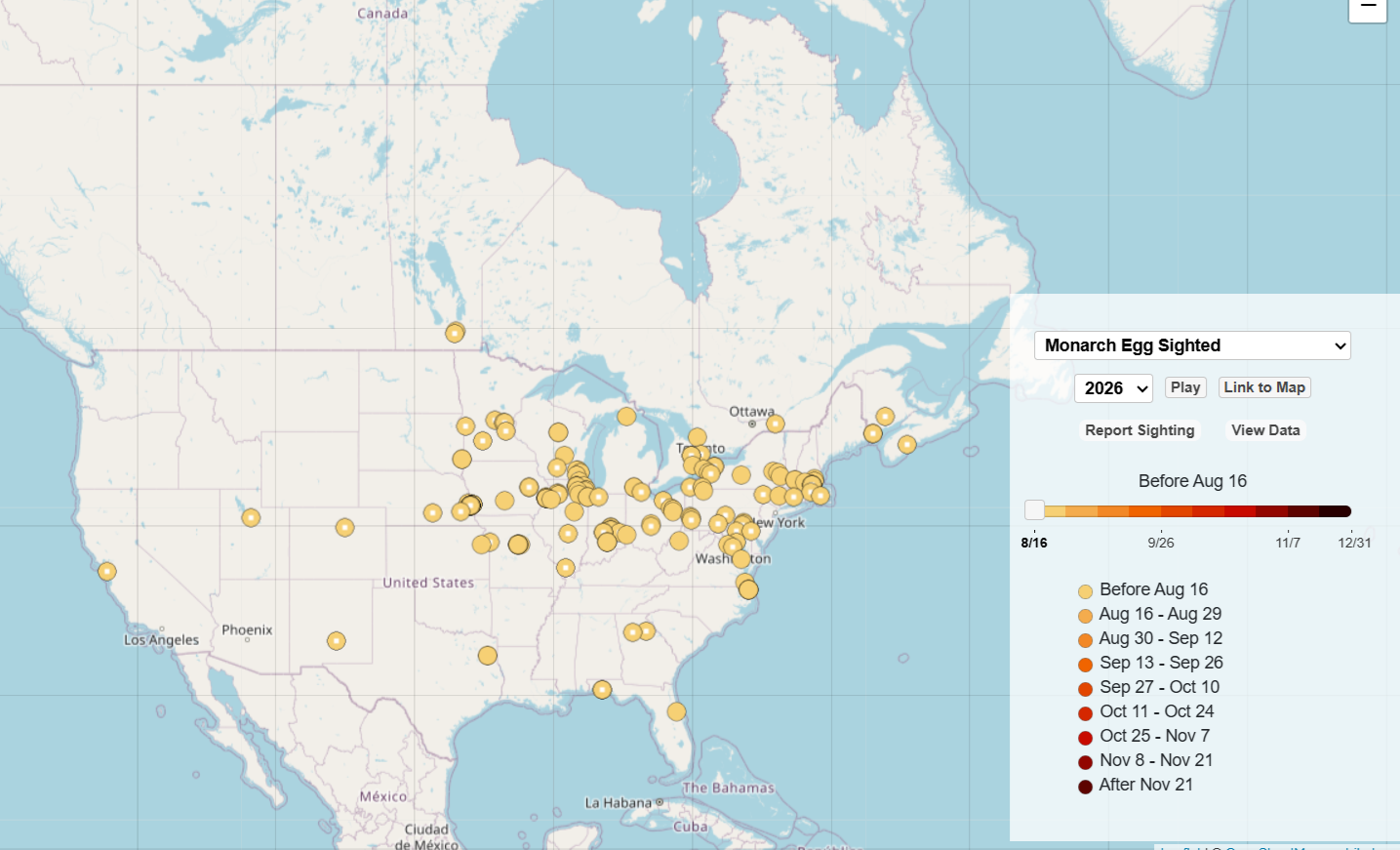
Egg-laying continues in the northern United States and Canada, while it’s been more limited in the southern U.S. Check out the map below to see locations where people have reported monarch eggs since the start of August.
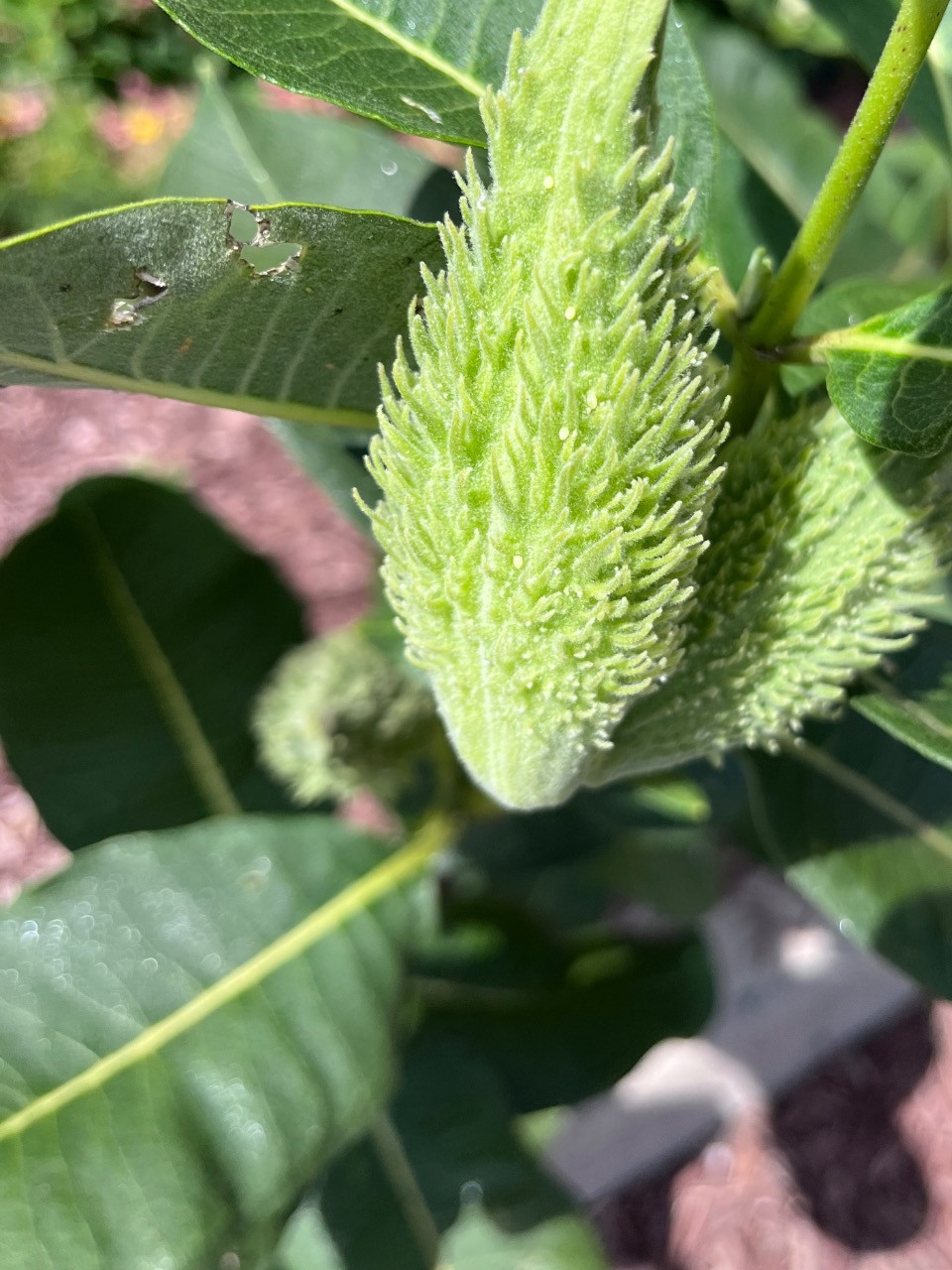
“Observed a monarch ovipositing on common milkweed, including at least five eggs on pods, a first for me,” one volunteer wrote from Middletown, Connecticut, alongside a report of 12 total eggs.
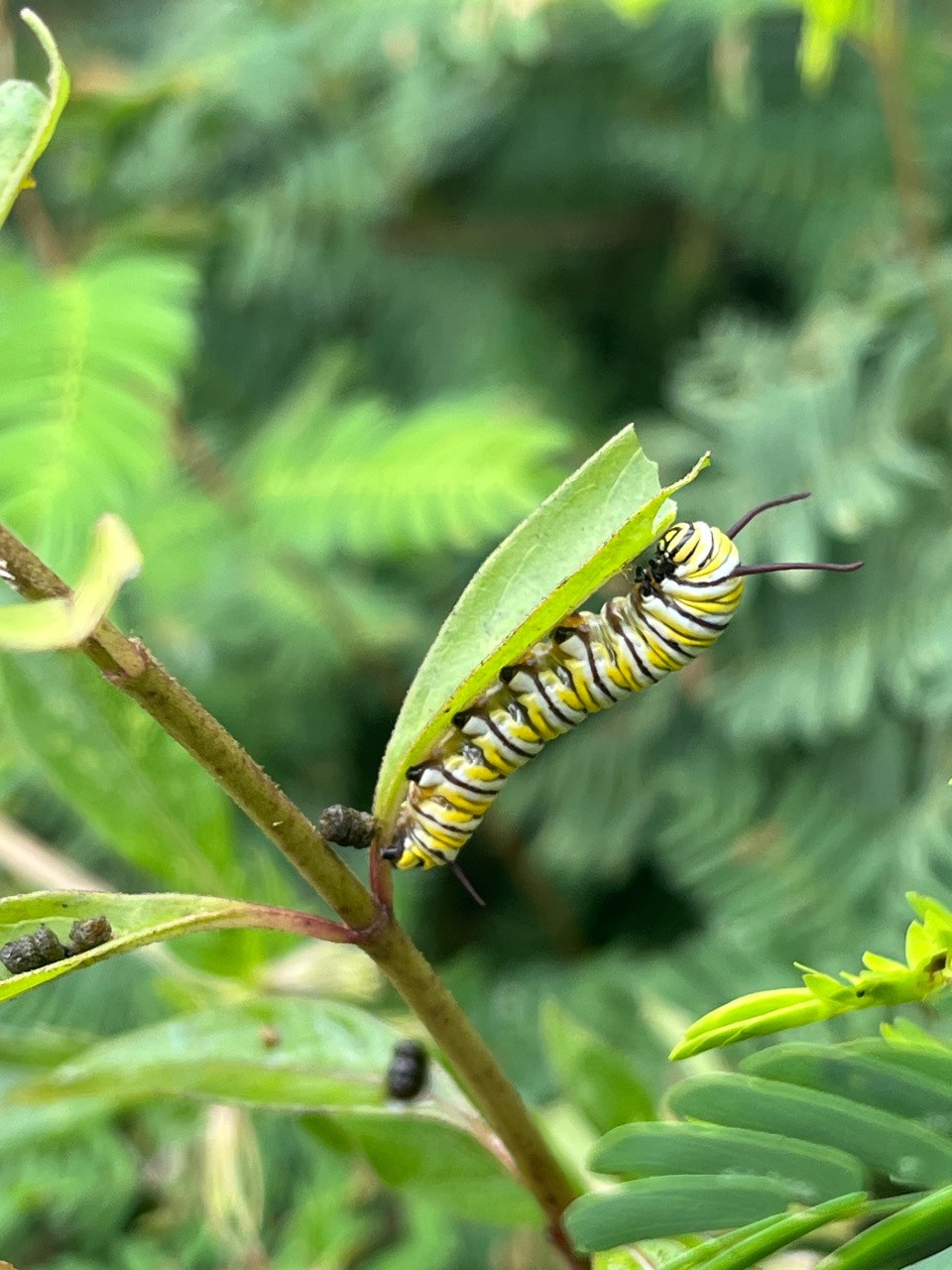
Still, breeding continues across eastern North America, down to the southernmost stretches of the species’ range. Maria in Kissimmee, Florida, was among those in the south to report breeding so far in the Blitz, writing, “There was a big caterpillar on my aquatic milkweed. It looked healthy and big,” on Aug. 6.
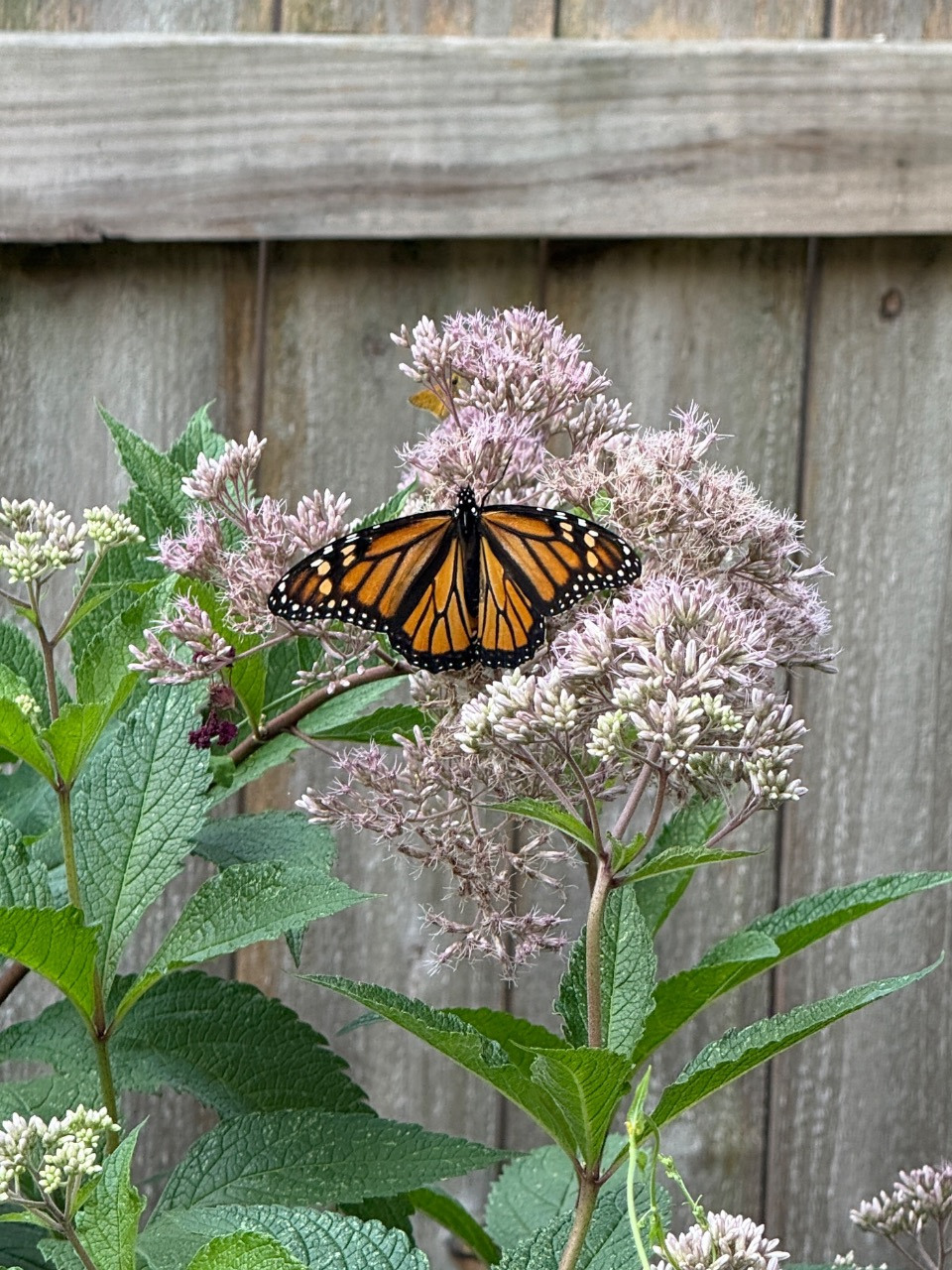
“Observed this female in my yard nectaring and flying,” wrote Laura in Tulsa, Oklahoma, on Aug. 6. “She appeared fresh, large, and healthy.”
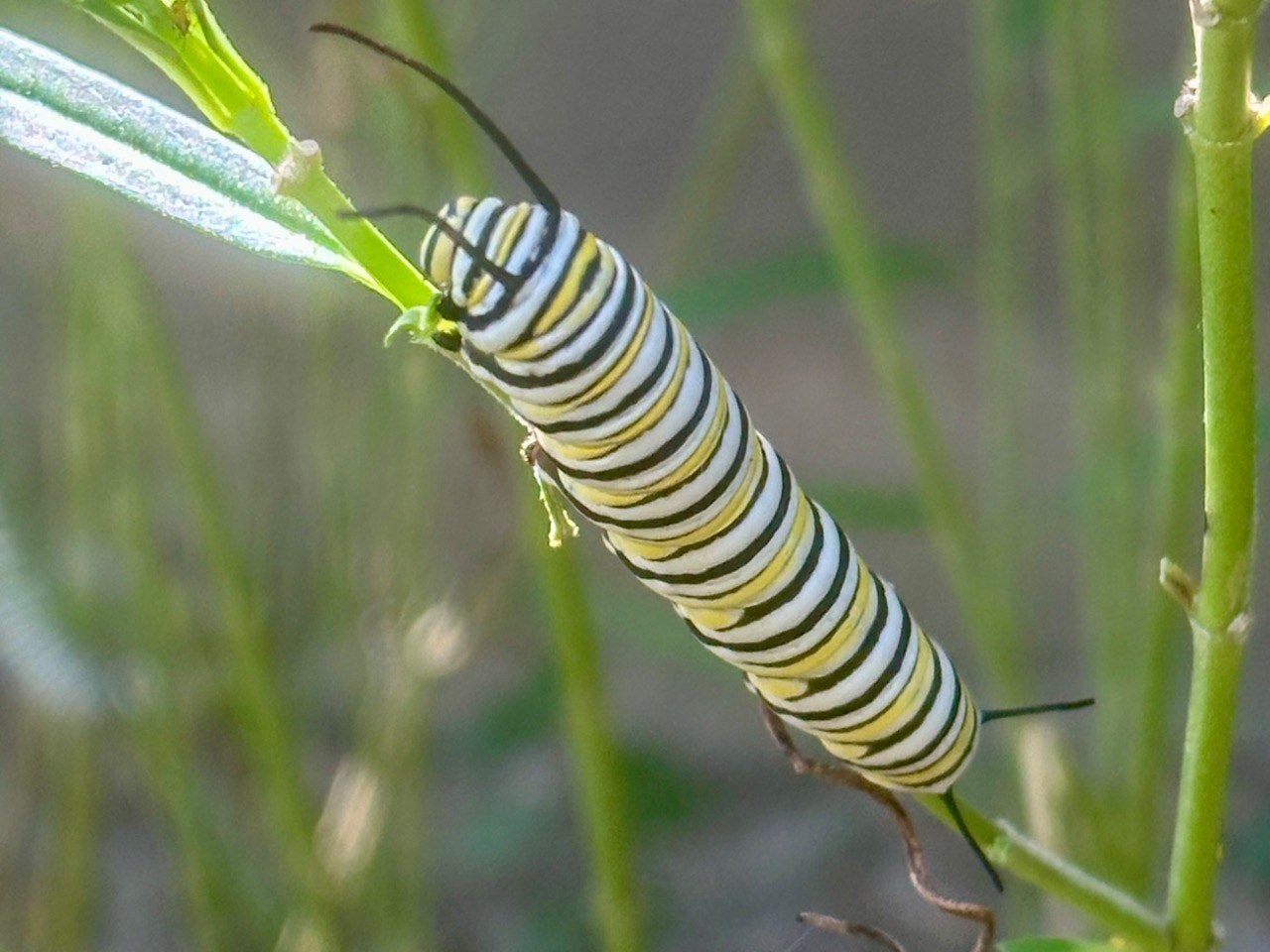
In San Antonio, Texas, Mobi reported eight larvae on Aug. 1, writing, “On an Arizona Milkweed in a neighborhood yard near the street, there were eight fifth-instar Monarch larvae, as well as half a dozen Queen larvae. During the observation, one Monarch caterpillar crawled away from the milkweed plant and travelled to a nearby fence, likely soon to pupate.”
What about out West?
Unsurprisingly, sightings are a bit more sparse in the western United States than they are east of the Rockies, but we’ve still received reports from Utah, Colorado, New Mexico, and Nevada, as well as sightings continuing in California.
There have been six reports of adults in Colorado, including a few in the Fort Collins area.
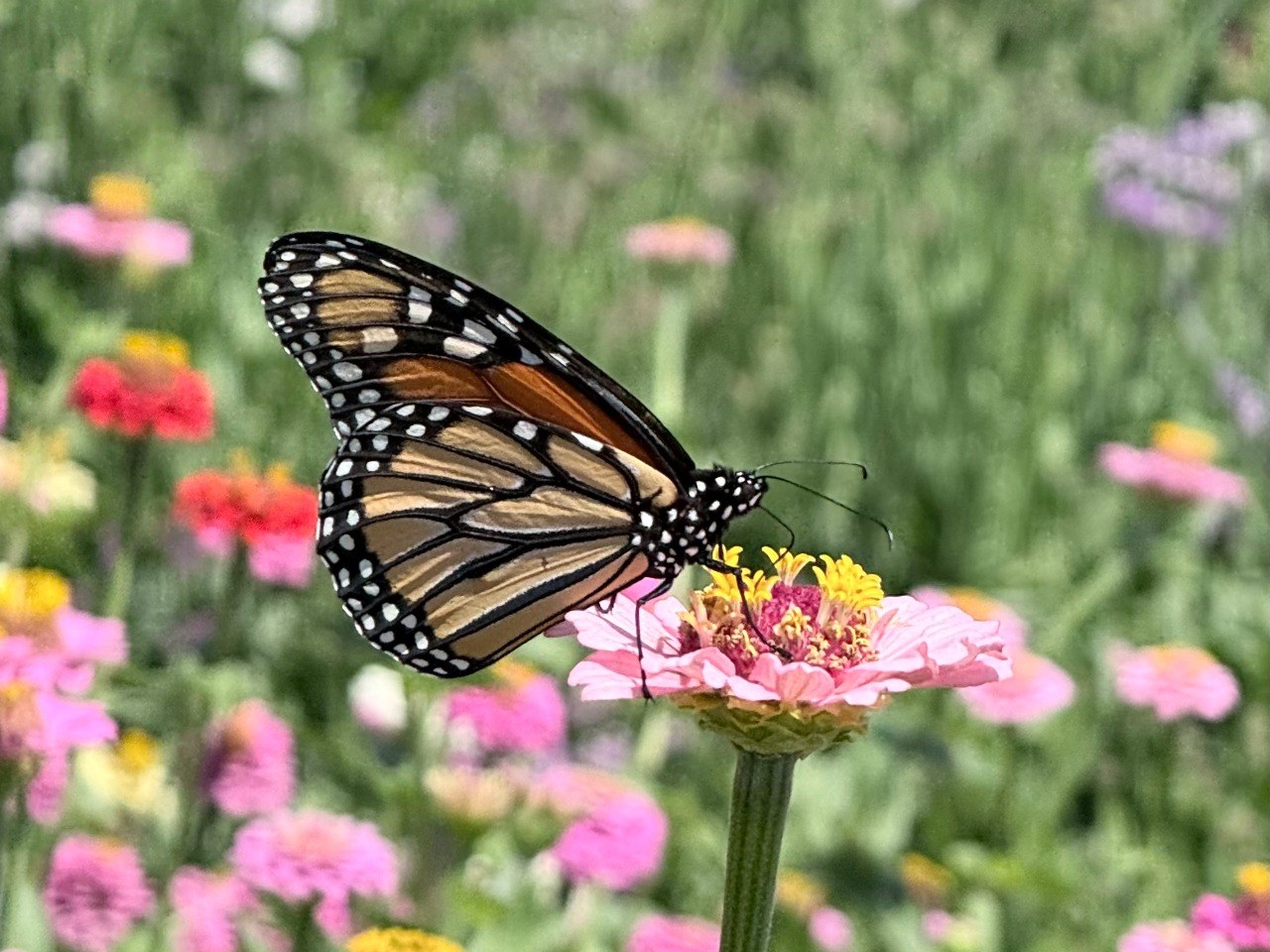
“I stopped by a local organic produce farm that had a lot of cut flowers,” one user in Fort Collins wrote on Aug. 1. “I observed this monarch flying around various flowers and nectaring.”
“Found one egg. Saw two adult monarchs flying, but they didn’t land, and I couldn’t see their sex,” wrote Stacy in Rudioso, New Mexico on Aug. 5.
Since the start of August, we have received one egg report each from the San Jose area, the Salt Lake Valley, New Mexico, and the Denver area. Larvae have been reported in southern California and north of San Jose.
It doesn’t seem as though it has been the strongest year for sightings in the Pacific Northwest. So far in August, we’ve received just one report in Oregon of an adult, and none in Washington. Neither state has an egg or larva report.
Not long until fall migration
It feels like this summer has flown by. Not long ago, we were talking about first arrivals, and in the blink of an eye, it’s August. That means it's time to start thinking about the super generation that will make the migration down to Mexico or west to California in the coming months.
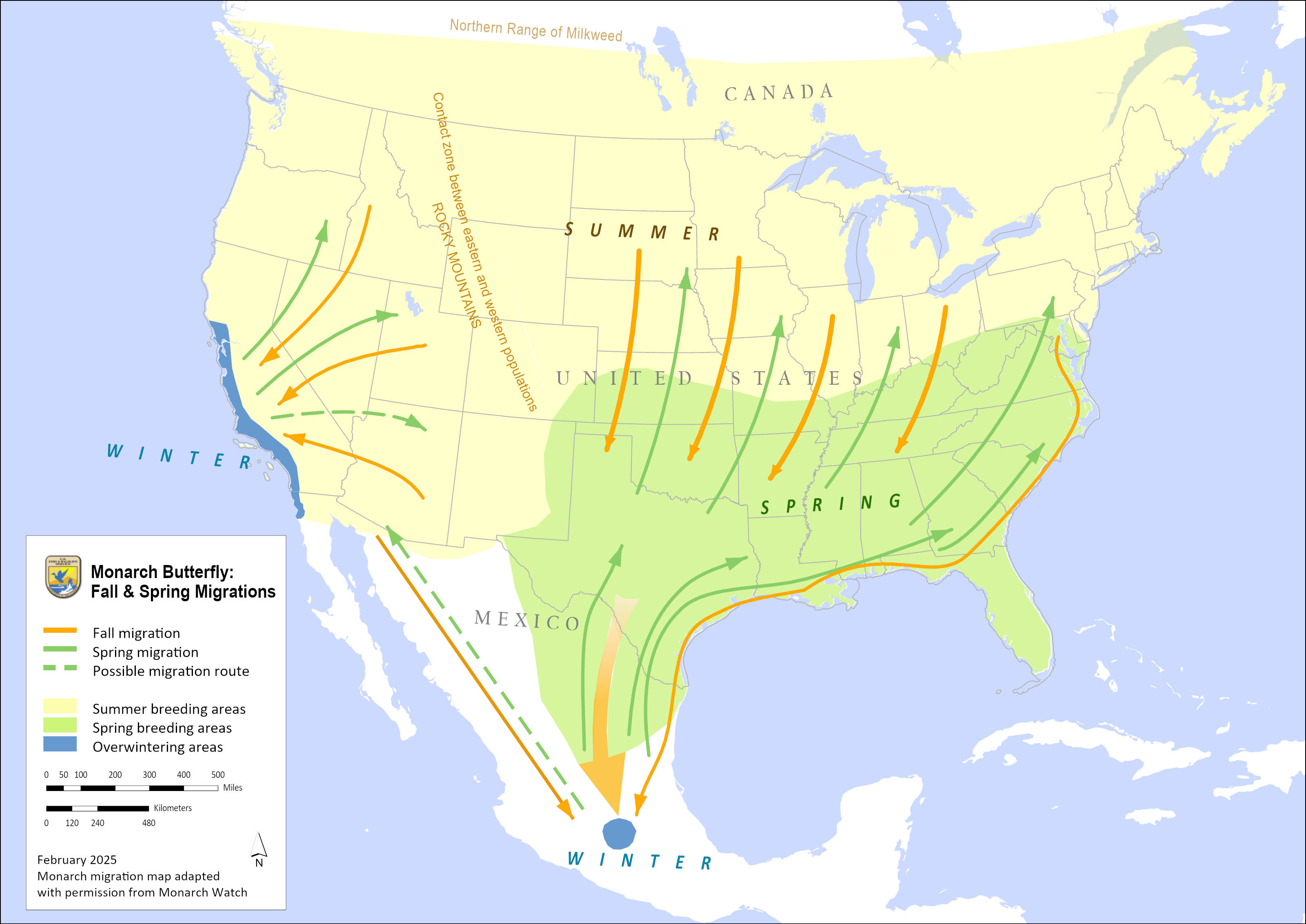
Tracking the southern migration through your fall roost reports is one of my favorite times to be the program coordinator of Journey North. While some may not be ready to say goodbye to summer, I’m looking forward to seeing the fall roost map begin to fill up with sightings as monarchs congregate in trees along their fall migration routes.
The Journey North reporting system has changed slightly this year, but you can still report monarch fall roosts. To report a monarch roost, select “Monarchs & Milkweed” for your category and “Monarch Butterfly” for your species, just as you do for any other monarch sighting.
Select “Adult” for the life stage, then check the box for “Monarch Fall Roost” under “Additional Observations.” If you have any questions, don't hesitate to contact me by emailing journeynorth@monarchjointventure.org.
Keep your reports coming
Thank you to everyone who has contributed a sighting (or more!) to the Blitz so far. Keep your sightings rolling in through the end of the Blitz on Sunday and beyond.
If you’ve enjoyed participating in the Monarch Blitz, the fun doesn’t have to end on Aug. 9. Journey North accepts sightings year-round of monarchs, hummingbirds, orioles, and more. Continue to report your sightings through the fall migration, and don’t forget about us next spring as your favorite migratory species begin making their way back into your area.