

After a weekend of heavy storms, gray skies, and chilly temperatures, a gradual change during the week allowed for sunnier days, bright, clear skies, mild winds, and a majestic, rich, bright blossoming canopy all around, with the energetic sound of springs and creeks. All of this signals ideal conditions for big news!
The extraordinarily punctual arrival of our fantastic migrant monarchs began Saturday, Oct. 31, at 1:30 p.m., despite no trace of a single monarch during the previous 72 hours while in the lookout!
“Not one single seen here in El Rosario yet," forest rangers in El Rosario told me on the phone this very morning. I was glad I could call them right from the great viewpoint! People at Sierra Chincua said they had not yet been toward the cliff viewing the valley, having not spotted one single monarch yet inside the forest!
With the camera focusing on the amazing view as it recorded moving from right to left, so was exactly the flight direction of the first monarch, which appeared, cascading down from the northern Sierra Chincua peaks- clearly heading south as if toward the El Rosario mountain range, both main overwintering sites.
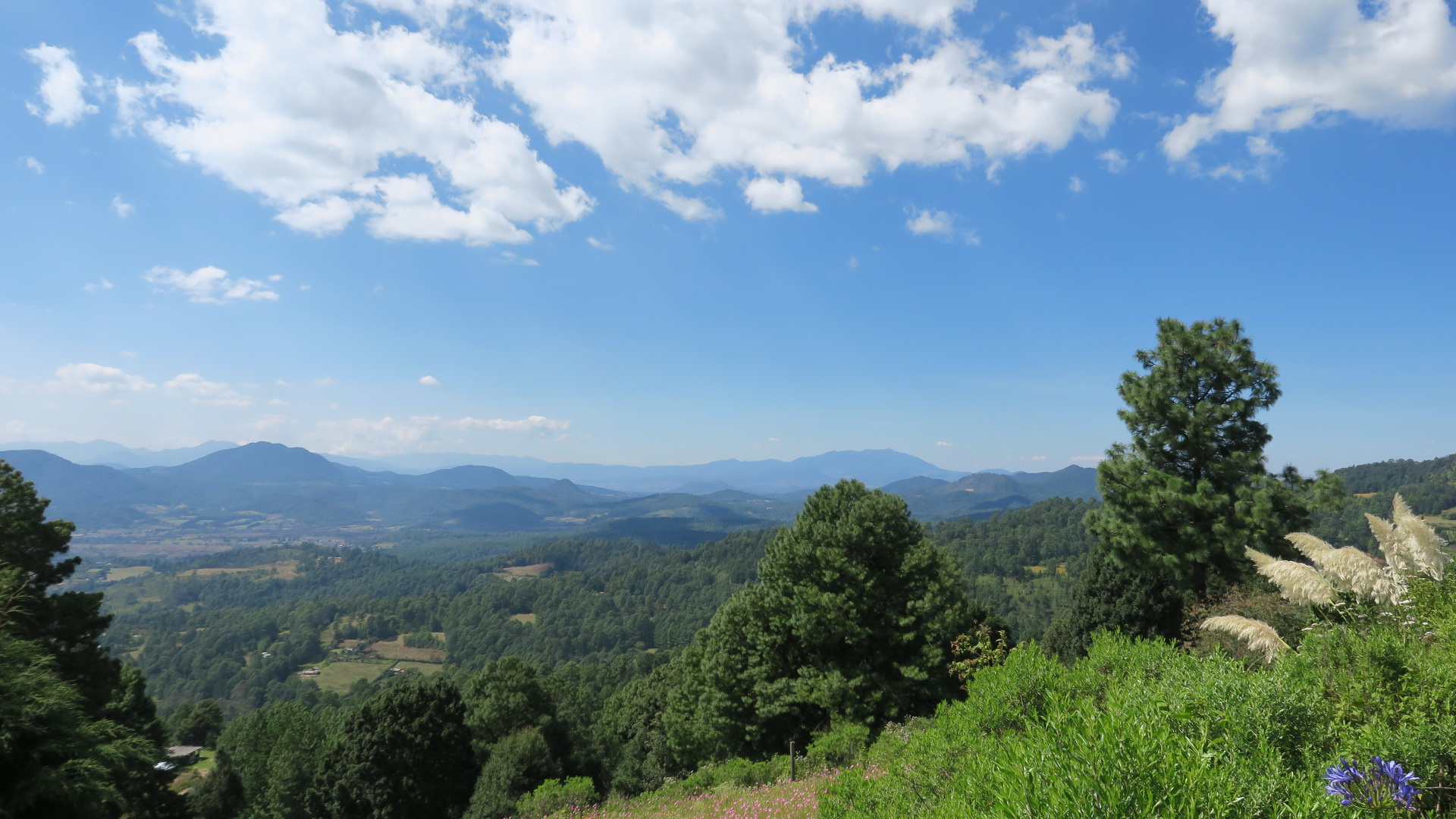
One, two, three, six, a dozen monarchs might have passed within a couple of hours’ time. Fast, energetic flight, and occasional quick landings for nectar made it difficult to shoot my only photo and brief recording.
The legendary migration of this extraordinary species once again fulfills its incredible mission, bringing a sense of awe, community commitment, identity, and friendship to the three hosting nations that embrace it.
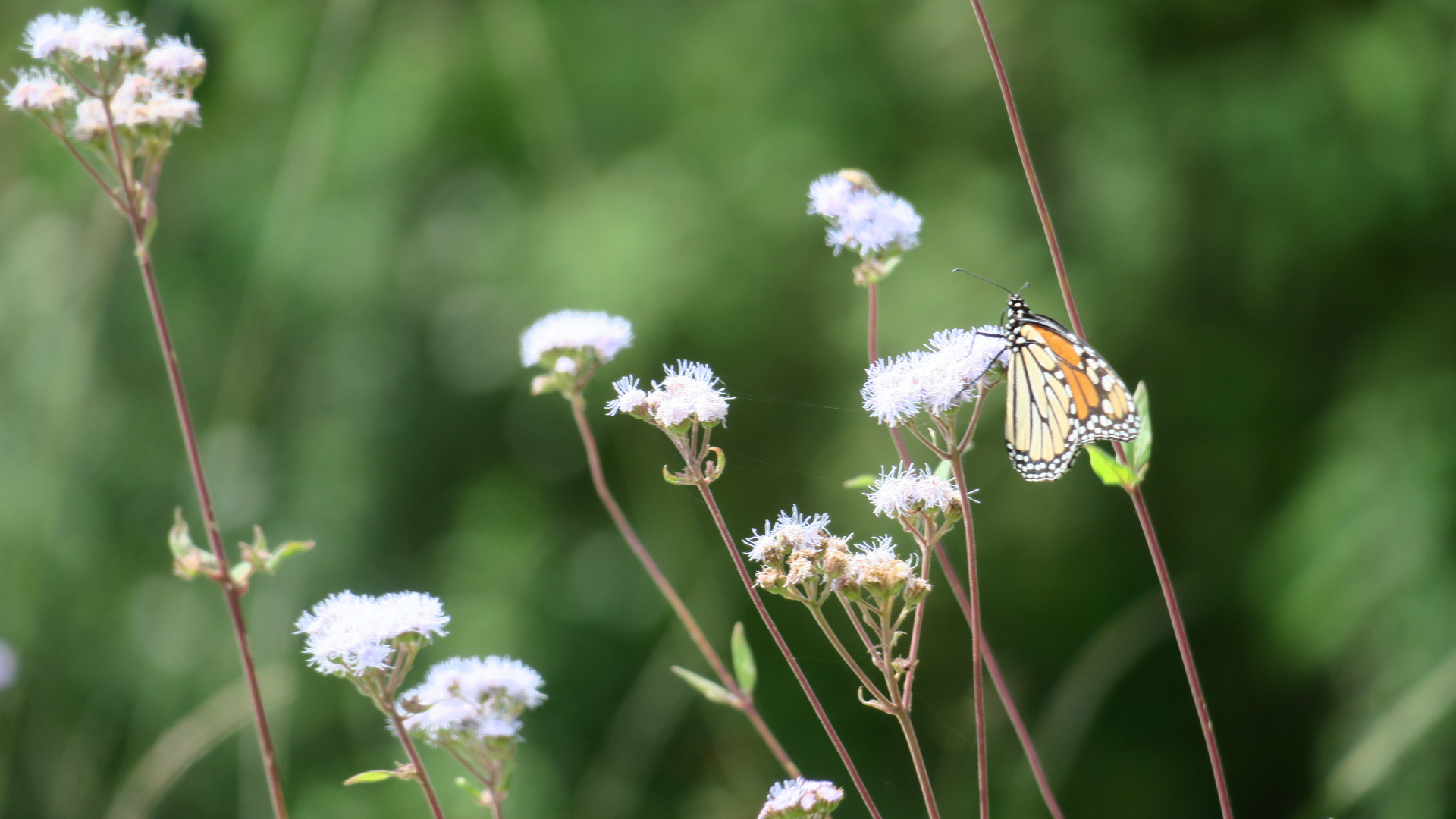
Bright orange jewels, seeds from generations of our family that we did not bury, but rather planted back in the soil when their life departed, are sprouting and returning now to celebrate with us the joy of life, our family legacy and traditions, and the certainty of our reunion after their peaceful transition into the other dimension.
Welcome, the monarch super generation, to your forefathers' winter home!
Estela Romero
Journey North
Angangueo, Michoacán, México.
- - - - - - - -
Después de que el fin de semana anterior aún tuvimos tormentas intensas, cielo gris y clima frío, durante la semana las condiciones cambiaron poco a poco trayendo días más soleados, cielo azul intenso, viento suave y una vista majestuosa de áreas de floración silvestre radiantes con el sonido vivo de manantiales y arroyos. Todo ello la señal inequívoca de condiciones ideales para la gran noticia!
La extraordinariamente puntual llegada de nuestras fantásticas Monarcas migrantes ha comenzado este Sábado 1 de Octubre a las 13:30 hrs, no habiéndose registrado previa señal de una sola Monarca durante las últimas 72 horas de búsqueda.
“Todavía no vemos una sola aquí en El Rosario” - Me dijeron los guardabosques de El Rosario al teléfono esta mañana. Me alegró que mi celular tenia señal y que pude comunicarme con ellos desde el inigualable lugar para darles la noticia! Los compañeros de Sierra Chincua por su lado, me dijeron que aún no avanzaban hacia la vista a la planicie, no habiendo visto ninguna hasta este momento dentro del bosque.
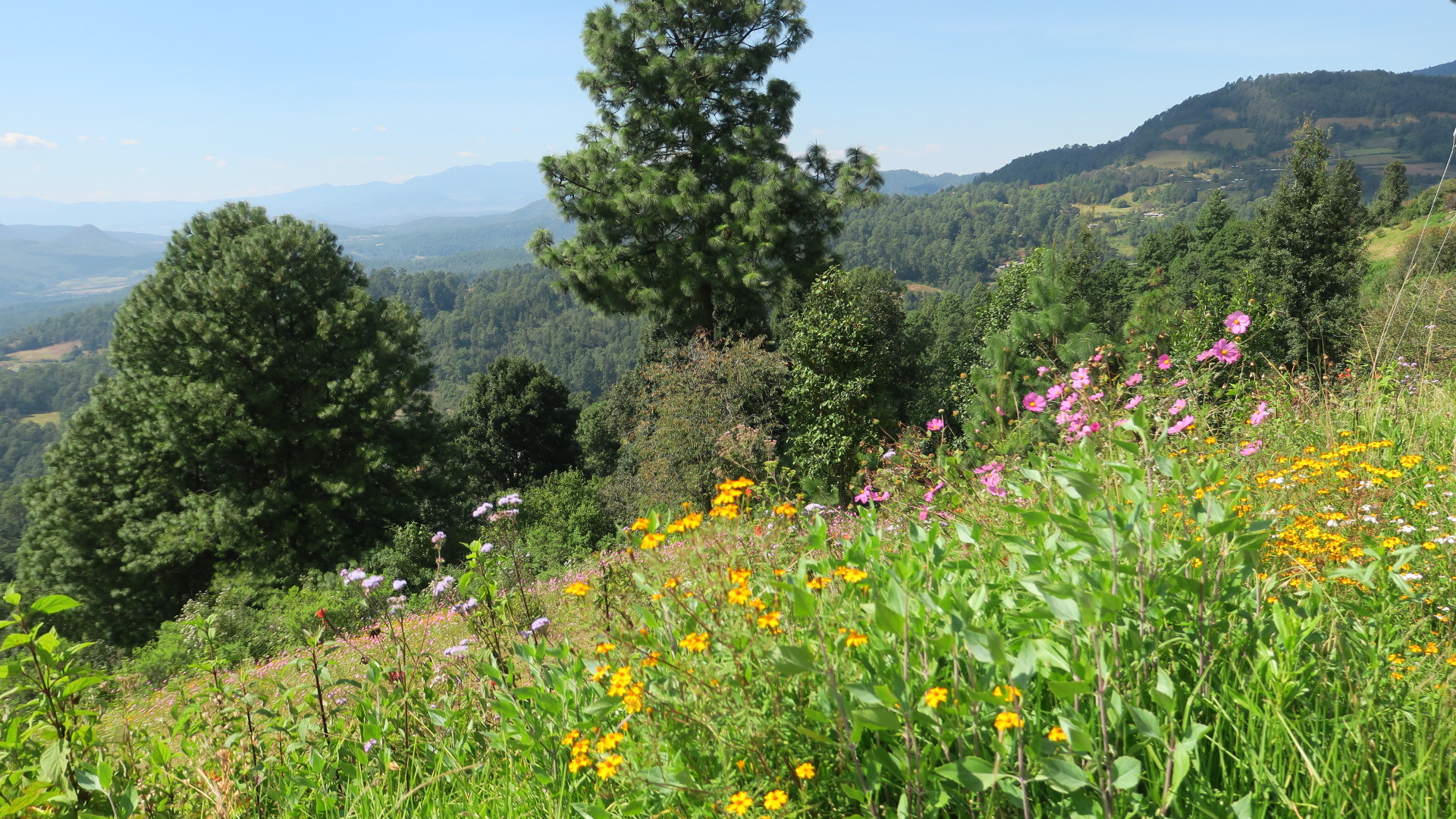
Con la cámara enfocando la impresionante vista y grabando de derecha a izquierda, así ocurrió exactamente la aparición de la primera Monarca volando justamente en la misma dirección proveniente del Norte -de los altos de Sierra Chincua- y claramente dirigiéndose al sur -como rumbo a los bosques de El Rosario, ambos sitios principales de hibernación.
Una, dos, tres, seis, doce deben haber pasado en el espacio de un par de horas. Con vuelo rápido y ocasional y momentáneo aterrizaje en alguna flor, fué difícil lograr mi única foto y breve grabación.
La Legendario fenómeno de la extraordinaria especie logra su increíble misión una vez más trayendo consigo todo un referente de admiración, de compromiso comunitario, de identidad y amistad para las tres Naciones que la abrazan.
Joyas de naranja vibrante, semillas de generaciones de familia que alguna vez no sepultamos, sino que sembramos de regreso a la tierra cuando partió su vida, ahora retoñan y regresan a celebrar con nosotros la alegría de la Vida, nuestro legado de tradición familiar y la certeza de nuestro reencuentro después del pacífico tránsito a la otra dimensión.
Bienvenida sea la Súper Generación a la Casa de Invierno de sus ancestros!
Estela Romero
Journey North
Angangueo, Michoacán, México
Where else are monarchs being seen?
The monarchs' arrival at the overwintering sanctuaries does not happen all at once. Over the coming weeks, we will likely start to hear of more monarchs beginning to arrive, eventually forming the clusters that make this region so famous for monarch enthusiasts across the globe.
While the first monarchs have been spotted in the overwintering region, roosting continues farther north in Mexico and Texas.
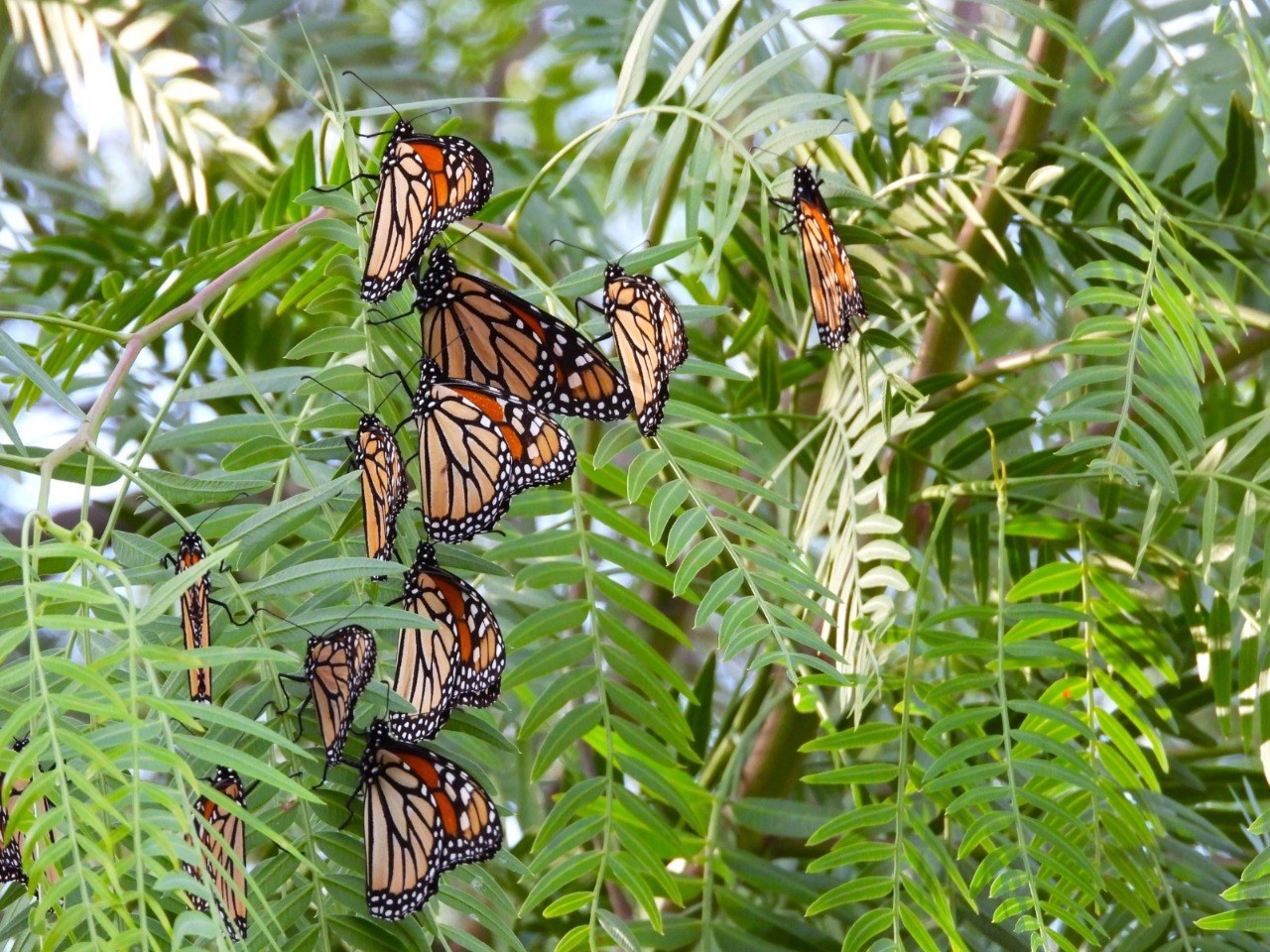
Among the largest reports is one of an estimated 5,000 monarchs by Linabeth Flores, passed along by Correo Real, in San José de la Joya, Coahuila, on Oct. 23.
"It was a marvelous sight -- one could see their wings moving in unison," the report read [translated from Spanish]. "Fue un espectáculo maravilloso; se veían como se movían sus alas al mismo tiempo."

In Mason, Texas, Marie reported an estimated 250 monarchs on Nov. 2, writing, "Today they haven’t left the roost. I assume they will ride the cold front tomorrow."
Where are monarchs still being spotted?
While it's been a little while since we've received a report of any roosts farther north than Texas, that doesn't mean people aren't continuing to see monarchs (sometimes much farther north). Each year, there will be stragglers, some of which miss their opportunity to complete the migration. Others will hope to encounter warm enough temperatures and enough available nectar to power their long trip south.
On Nov. 2, Elizabeth reported a monarch all the way up in Halton Hills, Ontario, writing, "so late in the season." At Point Pelee National Park, Ontario, Laura reported 16 monarchs on Nov. 1.
As one observer noted in Eau Claire, Wisconsin, on Nov. 1, it's been a mild fall for some of us, which could allow some of these monarchs a chance to make it south.
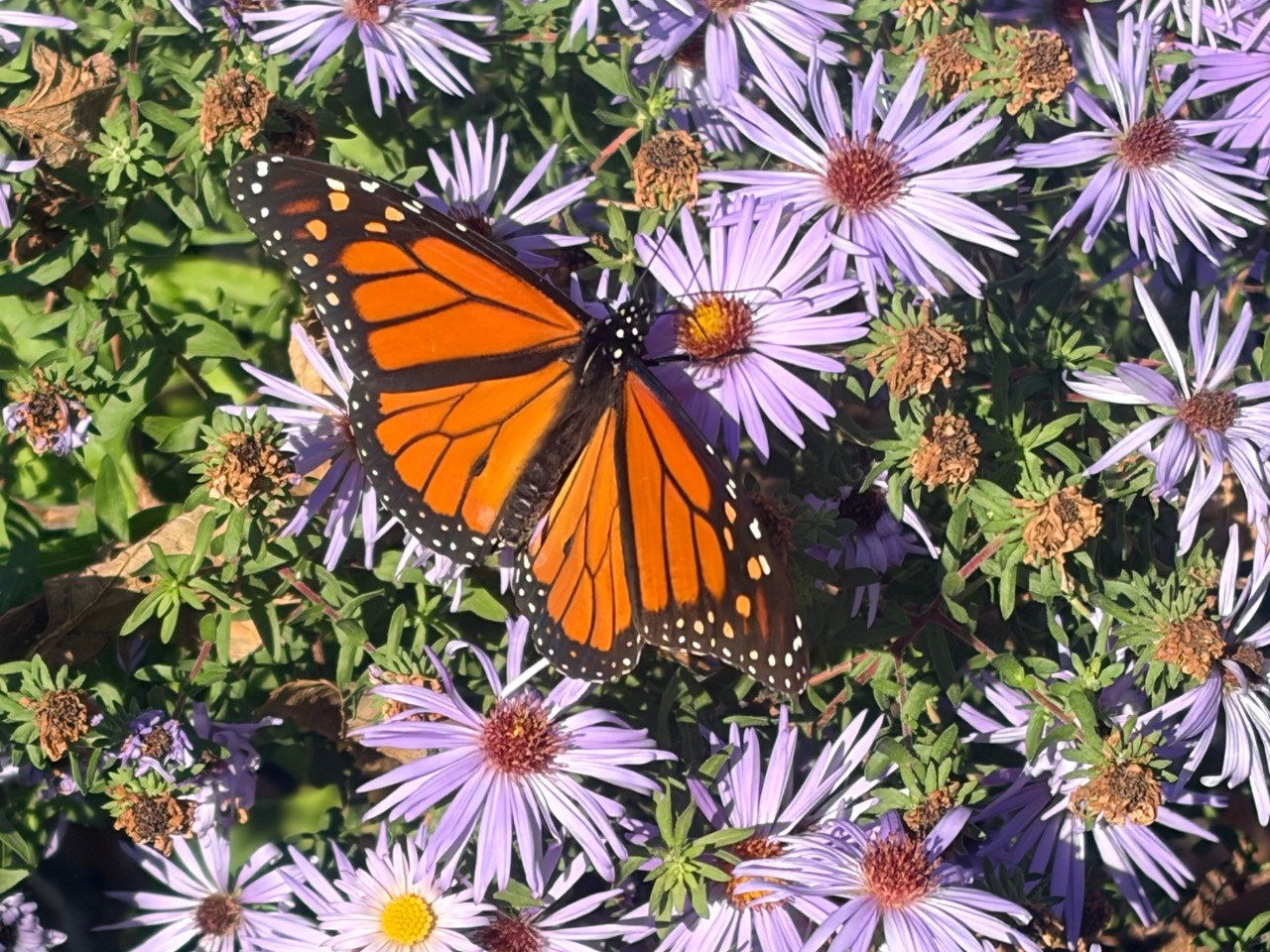
"Latest monarch of the season I have recorded," the user wrote, noting temperatures in the upper-60s and no overnight frost, with a photo of a male monarch visiting a group of asters.
We'll see how late into November these reports continue. Thank you to everyone helping us paint a picture of monarch movement throughout the fall.
Are you still seeing monarchs? Let us know by submitting your reports here.