

Western Monarch Count reveals increase, but third-lowest count since 1997
By The Xerces Society
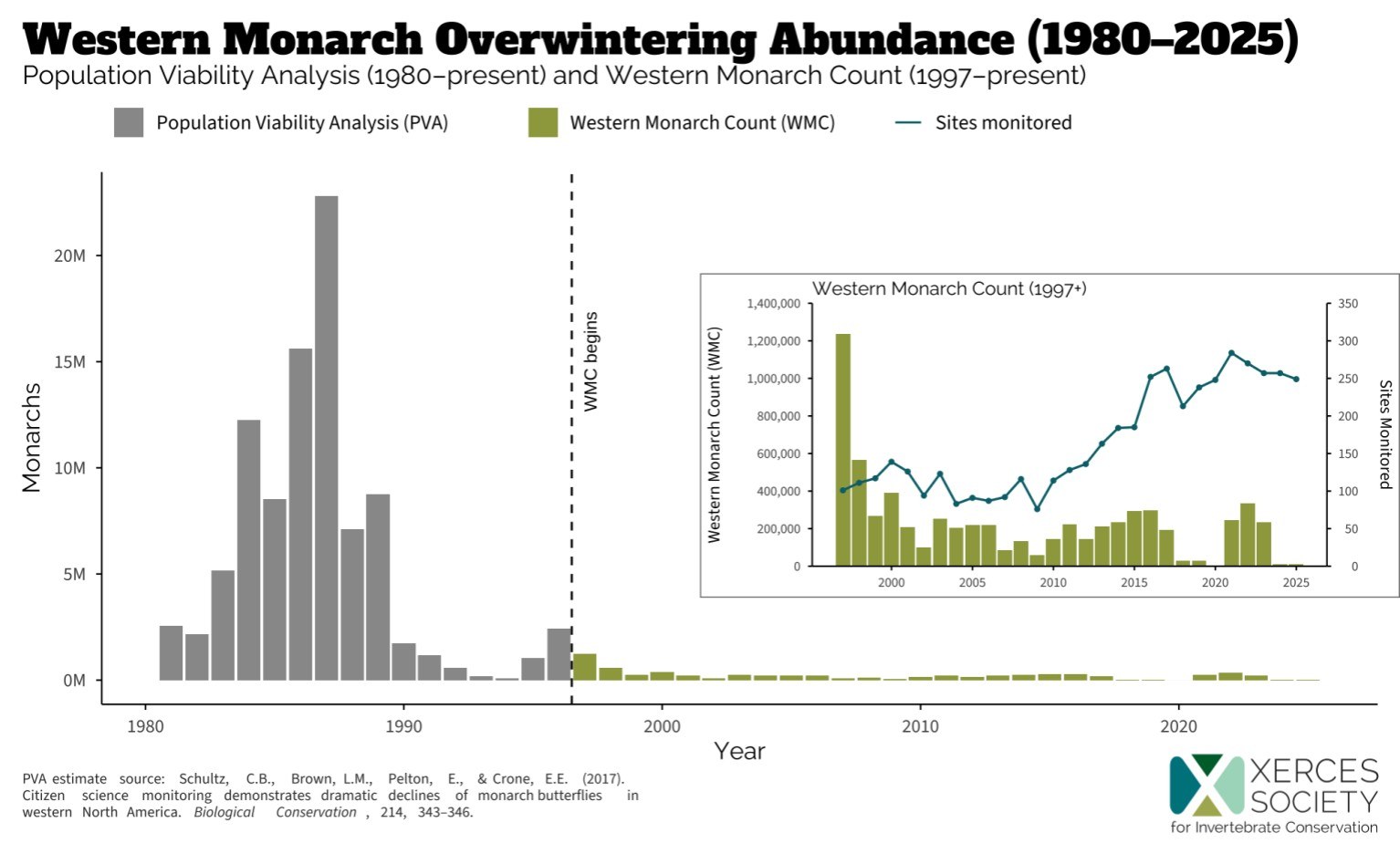
After surveys by hundreds of volunteers and partners, results from the 29th annual Western Monarch Count led by the Xerces Society for Invertebrate Conservation reveal another historically low population. Approximately 12,260 monarchs were recorded across 249 sites during the typical peak overwintering period from late November through early December 2025, when monarchs cluster together in groves of trees along California’s coast.
This is the third-lowest tally since the count began in 1997, following low numbers last winter and a weak summer breeding season. The three lowest counts in the program’s history have all occurred in recent years: 1,901 individual monarchs in 2020, 9,119 in 2024, and 12,260 in 2025. Western monarchs numbered in the low millions regularly in the 1980s. The increasing frequency of record-low years heightens ongoing concerns about the health and stability of the western monarch migration.
Highest monarch count in Santa Cruz County
Despite low overall numbers, monarchs continued to roost in good numbers at sites in Santa Cruz. Natural Bridges State Beach recorded the highest count this season with 2,500 monarchs in early December. Xerces and partners deployed ultralight radio tags in Santa Cruz to better understand monarch movement during the overwintering period, information that could improve how overwintering habitat is managed.
Mid-season counts at other well-known sites include:
- Albany Hill, Alameda County: 221 butterflies
- Skywest Golf Course, Hayward, Alameda County: 510 butterflies across two sites
- Gill Tract Community Farm, Alameda County: 148 butterflies
- Pacific Grove Monarch Sanctuary, Monterey County: 188 butterflies
- Pismo State Beach Monarch Grove, San Luis Obispo County: 471 butterflies
- Ellwood Mesa, Santa Barbara County: 29 butterflies across nine sites
- Gaviota State Beach, Santa Barbara County: 425 butterflies across two sites
- Ocean Ave. Park, Ventura County: 178 butterflies
Development threatens remaining overwintering habitat
Experts say protecting and managing overwintering sites is vital to maintain the monarch migration. Loss of overwintering habitat on the California coast due to development remains a major threat to monarch survival.
“Since tracking began, over 60 monarch overwintering sites have been destroyed. In the last year alone, at least three active sites have been significantly damaged by extensive, inappropriate tree removal,” said Sarina Jepsen, director of the Xerces Society’s endangered species program. “Without adequate places for monarchs to overwinter, we will lose the migration.”
There are a number of active proposals to develop monarch groves. Local advocates in Hayward, CA are working to protect two overwintering groves in the Skywest Golf Course that are threatened by development plans for the Hayward Executive Airport. Overwintering habitat was also partially lost at a documented site in Vista Del Mar, Ventura, before constituents rallied to temporarily stop an order to remove additional eucalyptus trees to make way for a potential development.
In contrast, some communities have demonstrated that development can proceed while still protecting monarch overwintering habitat. At Gill Tract Community Farm in Albany, CA, collaboration among UC Berkeley, scientists, and community members protected and enhanced an overwintering site while allowing nearby student housing to move forward. Today, students and local partners steward the grove and support monarch monitoring with the Xerces Society.
Low numbers driven by long and short-term stressors
While annual fluctuations in monarch numbers draw attention, scientists say the real concern is long-term decline of monarchs and other butterflies driven by habitat loss, pesticides, and climate change. Research led by Drs. Cheryl Schultz and Elizabeth Crone showed that western monarchs have declined by approximately 10% per year since the 1980s, suggesting this year’s low numbers reflect an ongoing trend rather than a sudden crash.
“When populations get this small, they become far more vulnerable to both short-term stress and long-term pressures,” said Isis Howard, a conservation biologist with the Xerces Society who coordinates the Western Monarch Count. “With low overwintering numbers becoming more common, monarchs have fewer chances to rebound from extreme weather or pesticide exposure.”
A call to action to save the monarchs
The Xerces Society is inviting all Californians to make a tangible difference this year through the Western Monarch Call to Action. Priority actions to recover the population include:
- Avoid using pesticides, especially insecticides, which threaten monarchs and other pollinators.
- Create and maintain monarch habitat year-round by planting regionally appropriate native flowers and native milkweeds. Qualifying individuals can apply for a free habitat kit.
- Advocate for protection of overwintering sites.
- Participate in community science.
Acknowledgments
The Western Monarch Count is made possible by hundreds of dedicated volunteers and partners who collected data at overwintering sites, as well as funding from: The California Wildlife Conservation Board, California Association of Resource Conservation Districts, Cinco Hermanos Fund, Elizabeth Weber, Maxwell/Hanrahan Foundation, Monarch Joint Venture, Nature's Path Foods Inc., San Diego Zoo Wildlife Alliance, U.S. Forest Service International Programs, and Xerces Society members.
An update from El Rosario Sanctuary in Mexico
By Estela Romero
January draws to a close, and while temperatures in Canada and the United States are said to be the lowest recorded in recent years, the terrible winter storm has been far from affecting central México.
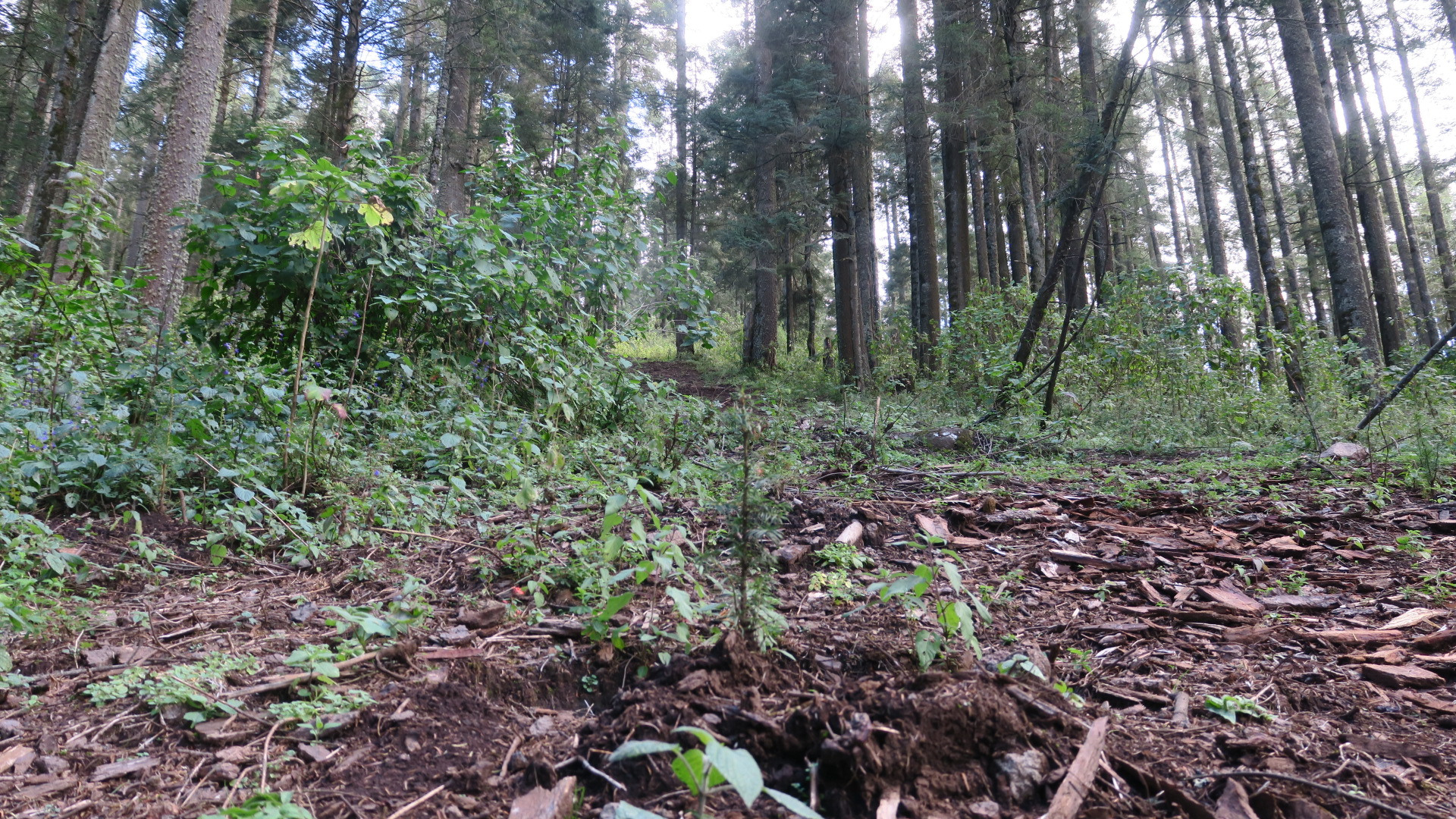
A winter with only chilly temperatures in the early mornings and evenings contrasts with sunny and slightly warm days, giving the sensation that our short winter might be over soon, not bringing us, so far, any signals of any real winter event such as frost, sleet, or snow in our oyamel fir forests at over 10,000 feet of elevation.
Population density at El Rosario Sanctuary (19.5950, -100.2619) this weekend will serve as a reference point for the coming days, when a traditional increase in numbers should occur, with February being the highlight of the season, attracting thousands of visitors and providing us with the official population density figures for this great winter migration.
As of the start of the weekend, warmer temperatures are making monarchs quite active within El Rosario.
- - - - - - - - - - - - -
El mes de Enero termina y mientras las temperaturas en Canadá y los Estados Unidos en Norte America presentan las temperaturas más bajas registradas en los últimos años, la terrible tormenta invernal ha estado lejos de afectar el centro de México.
Un invierno con solamente temperaturas frías por las mañanas y las noches contrasta con los días soleados y ligeramente tibios dando la sensación de que nuestro corto invierno podría terminar pronto, sin traernos hasta ahora, señales de ningún evento verdadero de invierno ya fuera puntos de congelación, agua-nieve o nieve en puerta para nuestros bosques de Oyamel a un promedio de 3,400 msnm.
La densidad de población en el Rosario (19.5950 -100.2619) este fin de semana habrá de mantenerse como referencia para los próximos días, cuando el tradicional aumento en números habrá de ocurrir siendo Febrero el esplendor de la temporada que atraerá a miles de visitantes y que nos informará de los números oficiales en densidad de población para esta Gran Migración de Invierno.
A partir del 30 de enero, las temperaturas más cálidas están haciendo que las mariposas monarca estén bastante activas en El Rosario.
Estela Romero is an environmental educator with Monarchs Across Georgia. Reporting from Michoacán, her work is made possible by Monarchs Across Georgia and the Monarch Butterfly Fund.